
Shot peening is a surface treatment in which small spherical particles are impacted onto a metal surface in a controlled way. It looks similar to blasting, but its main purpose is not to clean the surface but to improve the fatigue behaviour of the material. In this article we answer the questions what is shot peening, how does it work, where is it used and how is the process controlled.
How does shot peening work?
Each impact creates a small plastic deformation on the surface. After thousands of impacts, a layer of compressive residual stress forms beneath the surface. Because fatigue cracks usually start at the surface under tensile stress, this layer helps delay crack initiation and growth. For general information, see the Wikipedia article on shot peening.
Shot peening vs blasting
| Criterion | Blasting | Shot peening |
|---|---|---|
| Main purpose | Cleaning and surface preparation | Compressive stress and fatigue strength |
| Particle | Angular or spherical | Spherical, uniform |
| Control | Cleanliness, profile | Intensity, coverage, media quality |
| Result | Clean, roughened surface | Compressive stress layer beneath the surface |
Where is it used?
- Springs and gear parts
- Automotive shafts and transmission components
- Certain metal parts in aerospace
- Machine components operating under cyclic loads
- Areas of stress concentration such as welds
What these parts have in common is that they are subjected to repeated loads in service. Shot peening aims to delay the cracks that these loads can initiate at the surface.
Which media are used?
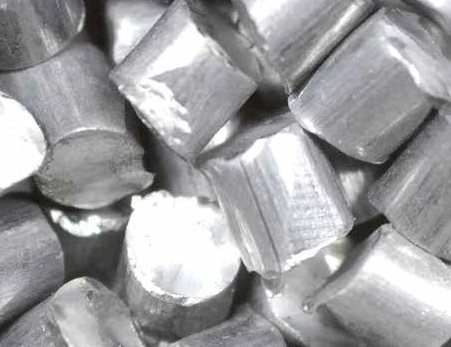
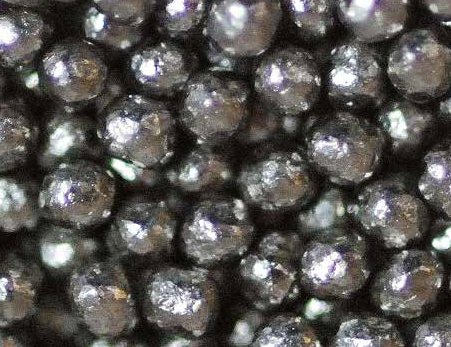
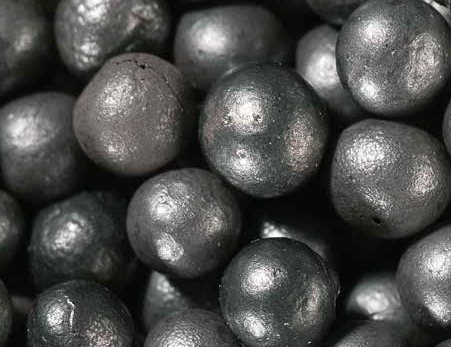
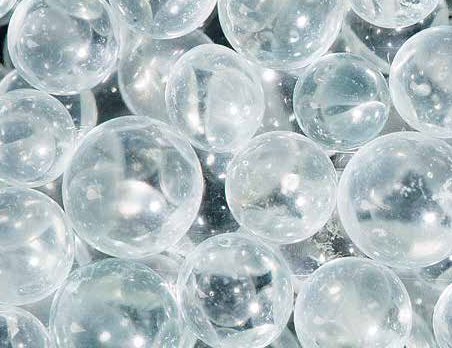
Media selection depends on the part's alloy and specification. Conditioned cut wire shot is used for peening thanks to its rounded shape. Steel shot and glass beads are also options depending on the application. For materials where iron contamination is unwanted, non-metallic or stainless products can be preferred.
| Media | Typical use |
|---|---|
| Conditioned cut wire shot | Uniform, long-life peening of springs, gears and shafts |
| Steel shot | General peening and cleaning work |
| Glass beads | Light peening, parts where iron is unwanted |
For detailed information on cut wire shot types and selection, see our article what is cut wire shot.
How is the process controlled?
Almen strip: A standard strip is peened under the same conditions and its deflection is measured to evaluate peening intensity.
Coverage: Shows how much of the surface is covered by impact dents. Insufficient coverage reduces the benefit, while excessive treatment can damage the surface.
Media quality: Broken or misshapen shot can damage the surface, so it should be screened out and replenished.
Which parameters are defined in the specification?
A shot peening specification usually includes:
- Media type and size: Cut wire, shot or glass beads; diameter and hardness range
- Intensity: Almen strip type and target intensity value
- Coverage: How much of the surface is to be treated
- Masking: How surfaces that must not be peened are protected
- Inspection: Measurement frequency and recording method
These values are determined by the part designer. Our role as a media supplier is to provide the media required by the specification in the correct size and hardness.
Common mistakes in shot peening
- Working with broken media: Sharp broken pieces can create notches on the surface.
- Not checking coverage: Untreated areas can become crack initiation points.
- Not verifying intensity: Changing settings without Almen measurement makes the result unpredictable.
- Choosing the wrong media: Media that do not suit the part's alloy can cause iron contamination or unwanted surface effects.
Frequently Asked Questions
Is shot peening the same as shot blasting?
No. Shot blasting aims to clean the surface; shot peening aims to increase fatigue strength by creating compressive stress beneath the surface through controlled impacts.
Which parts is shot peening applied to?
Springs, gears, shafts and machine parts operating under repeated loads are the main applications. For critical parts, the process must comply with the drawing and specification.
What is an Almen strip used for?
An Almen strip is a standard test piece used to measure peening intensity. The deflection of the strip shows whether the process has been carried out at the required intensity.
Note
For critical parts, the process should be carried out and verified by qualified facilities in accordance with the relevant drawing and specification. For information on media options, write to us via the quote form.