
In car restoration, blasting is one of the fastest ways to remove old paint, rust and underbody coating. But a whole car is not blasted with a single abrasive: a thick steel chassis and thin body panels behave very differently. The wrong choice cleans the chassis slowly while heating, warping and rippling the panels. In this post we explain how to choose a car blasting abrasive by part and by the purpose of the job.
Why treat the chassis and body panels separately?
The parts blasted on a car fall roughly into two groups:
- Chassis, axles, suspension arms and underbody: made of thick steel, often with deep rust and heavy coatings. They need strong cutting action and a clear profile for paint.
- Body panels: doors, bonnet, wings and roof are thin sheet. The goal is to strip paint without damaging the metal; heat build-up and warping are the main risks.
- Wheels and small parts: a separate job; for wheels, see our post on wheel blasting abrasive.
Making this distinction from the start makes it easier both to choose the abrasive and to set the pressure.
Abrasive for the chassis and underbody
On a rusty chassis and thick steel parts, speed and a paint-ready profile matter:
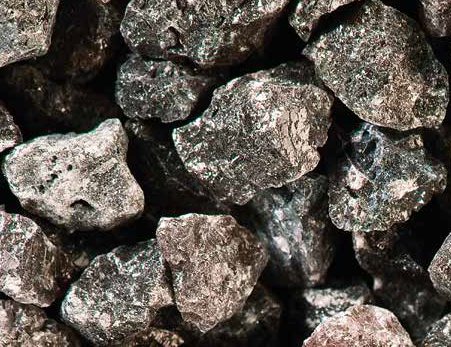
- Brown fused alumina: its hard, angular grains remove rust and thick paint quickly and leave a good profile for primer.
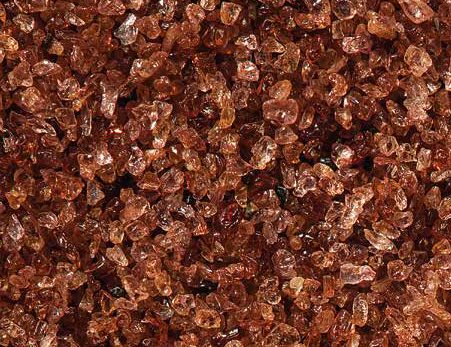
- Garnet: works with low dust and gives an even surface; a common choice for pressure pot work in open areas.
- In deeply rusted areas: a coarser grain can be used for the first pass and a finer grain for the final, primer-ready profile.
Weld seams, corner joints and the openings of box sections are where rust collects most; give these areas extra time. We explain which cleanliness grade rusty steel should reach before painting in Sa 2, Sa 2½ and Sa 3 cleanliness grades.
Abrasive for body panels: protecting thin sheet
Body panel sheet is thin. High pressure and hard, coarse grains heat and stress the surface; the panel can ripple or warp. Panels therefore need a gentler approach:
- Plastic media: strips paint and filler without noticeably abrading the sheet; the risk of heat and warping is low.
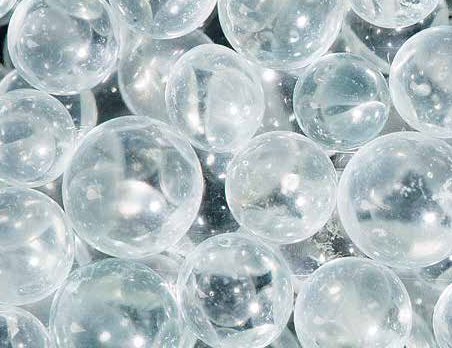
- Glass beads: clean light dirt and surface oxide without cutting a profile; suit small parts that stay visible.
- If a profile is needed: use a fine-grain abrasive, low pressure and short passes with the nozzle always moving.
Staying on one spot in the middle of a panel is the most common mistake. Test on a hidden area first and continue after checking the result. We have collected other common mistakes in common blasting mistakes.
Grain size and pressure
There is no single correct grain size or pressure for car work. On thick parts such as the chassis, a coarser grain and higher pressure add speed; panels need a fine grain and low pressure. The right values depend on your equipment, the coating thickness and the paint to be applied. We explain the general logic in our grain size selection guide. For a general overview of blasting methods, see the Wikipedia article on abrasive blasting.
Masking and preparation
Before blasting, parts of the car that the abrasive would damage must be removed or protected:
- Glass, seals, lights, interior trim and wiring should be removed or tightly covered.
- The engine, gearbox, bearings and moving mechanical parts should be taken out; if not, they must be tightly sealed. Abrasive getting into these areas can cause serious damage.
- Screw holes, threaded seats and areas where dimensions matter should be protected with plugs or tape.
- Clean off oil and grease first; an oily surface contaminates the abrasive and spoils paint adhesion.
After blasting: primer cannot wait
Blasted steel starts to rust again very quickly. Blow the surface clean with clean compressed air, empty any abrasive left inside box sections and move on to primer without delay. Touching the blasted surface with bare hands leaves grease marks; wear clean gloves. We explain why paint grips a blasted surface better in why blasting before painting matters.
Car blasting should be done in a cabinet or an area with proper dust extraction, using a blast helmet and protective equipment. Abrasives containing silica should not be used; see safety in abrasive blasting.
Frequently asked questions
What abrasive is used for blasting a car?
Brown fused alumina or garnet is preferred on a rusty chassis and thick steel parts, and plastic media for stripping paint from thin body panels. Glass beads can be used for light cleaning and small visible parts.
Does blasting warp body panels?
High pressure, coarse hard grains or holding the nozzle on one spot can heat thin sheet and cause rippling or warping. The right abrasive, low pressure and constant movement reduce this risk.
How soon after blasting should primer be applied?
Blasted steel starts to rust quickly, so once the surface is cleaned and dust-free, primer should be applied without much delay. The safe interval depends on humidity and should be even shorter in damp conditions.
Get a quote for car blasting abrasives
Tell us whether you are blasting a chassis or body panels, the equipment you use and the paint you will apply, and we will choose the right abrasive and grain size together. Browse all products on the products page or fill in the quote form for pricing.