
You will often see expressions such as Sa 2½ in paint or coating specifications. This describes the cleanliness grade a steel surface must reach after blasting. The grades are defined in the ISO 8501-1 standard, and the surface is usually assessed visually by comparison with the standard's reference photographs.
What does a cleanliness grade describe?
The abbreviation “Sa” denotes the blast-cleaning method. The higher the number, the cleaner the surface. The grades can be roughly summarised as follows:
| Grade | Definition | Expected surface condition |
|---|---|---|
| Sa 1 | Light cleaning | Loose scale, rust and paint removed; firmly adhering residues may remain |
| Sa 2 | Thorough cleaning | Most scale, rust and paint removed; what remains must be firmly adhered |
| Sa 2½ | Very thorough cleaning | Only slight traces in the form of stains or shadows may remain |
| Sa 3 | Visually clean steel | Uniform metallic appearance; no visible residue |
This table is a summary. For exact definitions and acceptance criteria, refer to the standard itself and the job specification.
Which grade is required when?
The required grade depends on the job environment and the coating to be used. Sa 2½ is frequently required for protective paint systems. Sa 3 is seen more in applications demanding a very clean surface, such as metallising, or in harsh conditions. Lower grades may be acceptable where conditions are milder. The right answer always lies in the coating manufacturer's technical data sheet and the project specification.
As the grade rises, so do cleaning time and cost. Requiring a higher grade than necessary can strain the budget for no reason, while a lower one can shorten the life of the coating.
A cleanliness grade is not the same as surface profile
The Sa grade describes how clean the surface is, not how rough it is. Roughness (surface profile) is a separate value, assessed under standards such as ISO 8503. Two surfaces can have the same Sa grade and very different roughness, which is why specifications usually state both values.
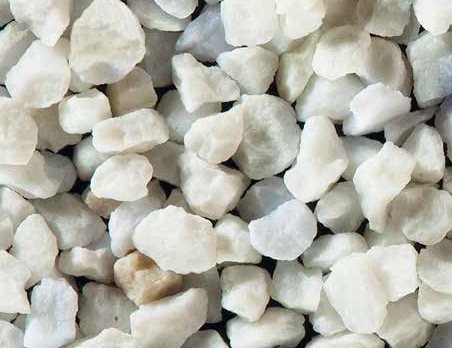
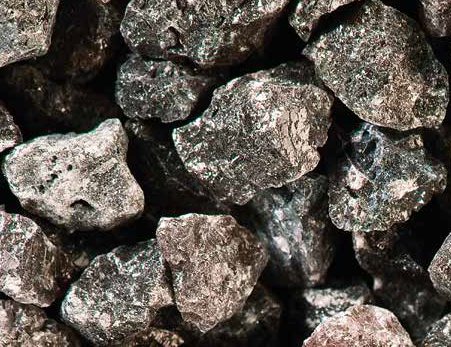
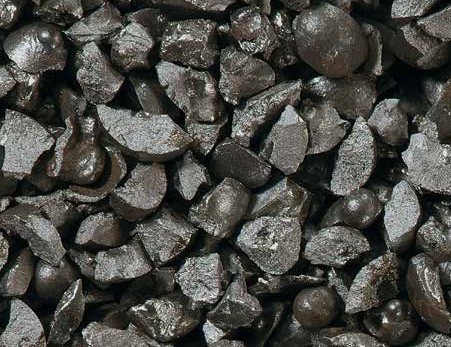
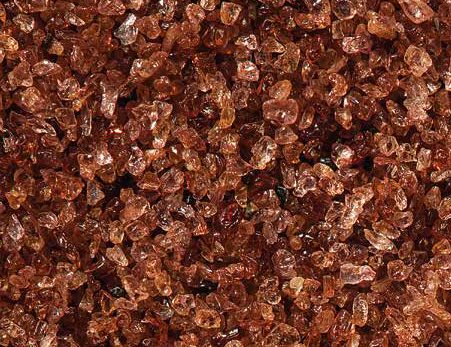
Surface profile is largely determined by the type and grain size of the abrasive. Angular abrasives, such as steel grit, garnet and brown aluminium oxide, are often used to create the profile that a coating adheres to.
Practical notes for a clean result
- Blasting does not fully remove oil and grease and may even spread them across the surface. Remove them before blasting.
- A surface's cleanliness grade cannot be maintained in a contaminated or damp environment. A blasted surface can rust quickly, so apply the coating without delay.
- Remove dust and abrasive residue from the surface after blasting.
- The cleanliness and dryness of the abrasive directly affect the result.
St 2 and St 3: cleaning with hand and power tools
Besides blast cleaning, ISO 8501-1 also defines grades for cleaning with hand and power tools: St 2 (thorough) and St 3 (very thorough). These methods are used where blasting is not possible, but the resulting surface does not achieve the same cleanliness and profile as a blasted surface. Which method is acceptable is determined by the technical data sheet of the paint system.
How is the cleanliness grade checked?
- Remove dust from the surface, then assess it under good, diffuse light.
- Compare it with the standard’s reference photographs that match the initial rust grade of the surface.
- Sample different areas; do not skip difficult spots such as corners, welds and recesses.
- Record the results together with photographs.
For general information on why corrosion starts under coatings, see the Wikipedia article on corrosion. The steps before painting are covered in blasting before painting, and profile measurement in surface roughness.
Frequently asked questions
What is the difference between Sa 2½ and Sa 3?
With Sa 2½, only slight traces in the form of light stains or shadows may remain on the surface; Sa 3 is a uniform surface with a metallic appearance and no visible residues. Sa 3 takes more time and costs more.
Which grade is required for ship blasting?
Sa 2½ is a common requirement for many marine coatings; the exact value is set by the coating manufacturer’s specification. See our post on ship blasting for details.
Is the grade kept if the blasted surface rusts?
No. If rust forms on the surface again before coating, the achieved grade is lost and the surface may need to be cleaned again. That is why the time between blasting and coating should be kept short.
In short
The Sa grade describes cleanliness and the surface profile describes roughness; both matter for a successful coating. If you have a job, you can request a quote on our blasting service page and browse our products for abrasive selection.