

Blog
Posts on blasting, abrasive selection and surface preparation.

Guide
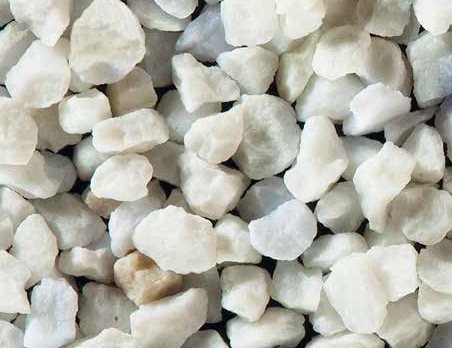
Wheel Blasting Abrasive: Choosing for Alloy and Steel Wheels
Which abrasive to choose for stripping and preparing alloy and steel wheels, grain size and masking.
Read more
Guide
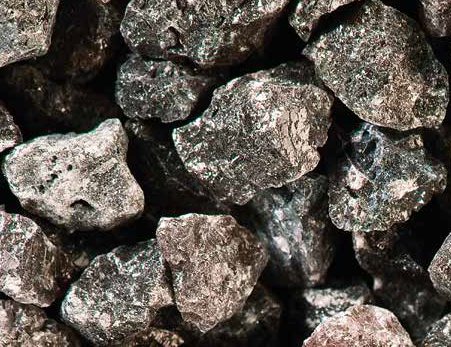
Mould Cleaning Abrasive: Choosing a Blasting Media for Moulds
Which abrasive to choose for cleaning injection, die casting and tyre moulds, and how to protect the mould surface.
Read more
Guide
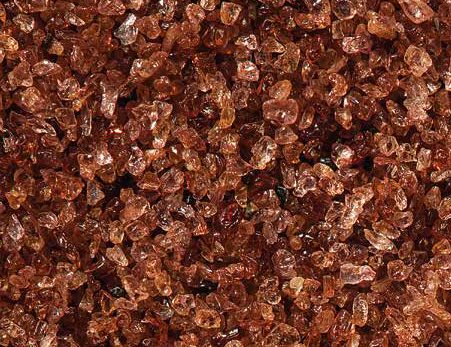
Car Blasting Abrasive: Choosing for Chassis and Body Panels
Which abrasive to choose for the chassis and body panels in car restoration, protecting thin sheet metal, masking and priming after blasting.
Read more
Guide
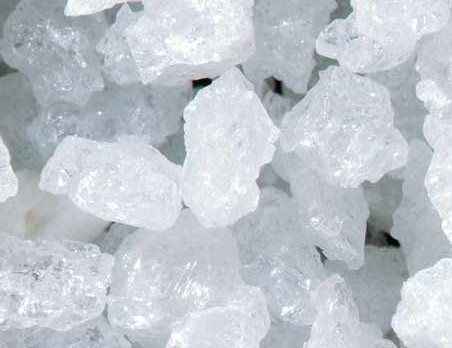
Wood Blasting Abrasive: Which One for Raising the Grain?
Which abrasive to choose for raising the grain, stripping paint and varnish and distressing wood; species, moisture and aftercare.
Read more
Guide
Copper Blasting: Choosing Abrasive and Pressure for Copper
Which abrasive and pressure to choose for soft copper surfaces, iron contamination and how to prevent tarnishing after blasting.
Read more
Guide
Brass Blasting: Matt and Satin Finishes on Brass Parts
Matt and satin finishes on brass fittings, valves and decorative parts, preparation before plating and protection after blasting.
Read more
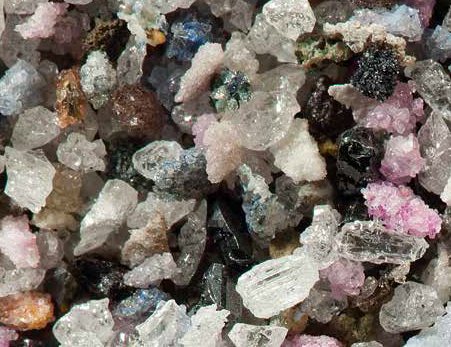
Technical Information
Aluminium Oxide Uses: From Blasting to Polishing
The uses of aluminium oxide in blasting, surface preparation, coated and bonded abrasives, lapping, polishing and precision work.
Read more
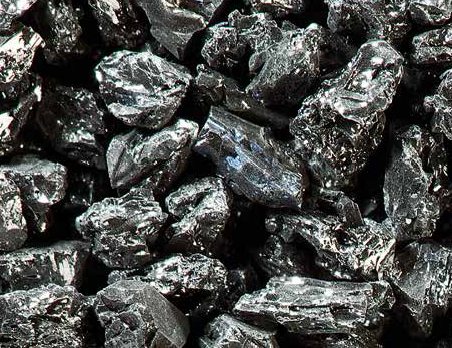
Technical Information
Silicon Carbide Uses: Blasting and Beyond
Where silicon carbide is used: in blasting, in abrasive paper and grinding, in lapping and cutting, and in industry beyond blasting.
Read more
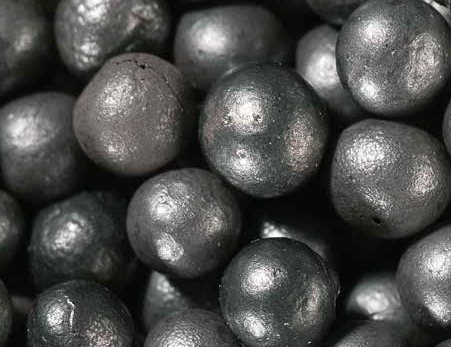
Technical Information
What Is Steel Shot? Properties and Applications
How steel shot is made, its properties and size designations, and its uses from cleaning castings and forgings to shot peening.
Read more
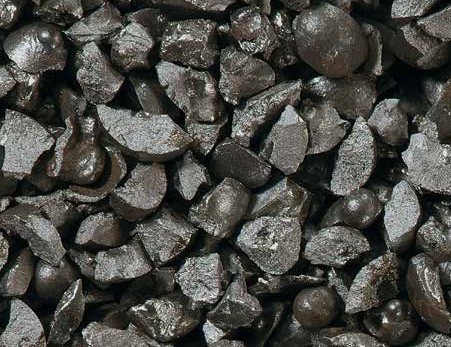
Technical Information
What Is Grit Blasting? Surface Preparation with Angular Abrasives
How blasting with angular abrasives works, how it differs from shot blasting, choosing the abrasive and checking the surface before coating.
Read more
Technical Information
Blasting Abrasive Properties: Hardness, Grain Shape, Density
How an abrasive’s hardness, grain shape, density, friability, cleanliness and iron content change the blasting result.
Read more
Guide
Abrasive for Blasting Guns: Media for Small Jobs
Which abrasive and grain size to use in siphon and gravity blasting guns; clogging, moisture and safety.
Read more
Guide
Fine Blasting Abrasive: Grain Choice for Delicate Surfaces
When, with which material and how to use a fine-grained abrasive on delicate and thin parts.
Read more
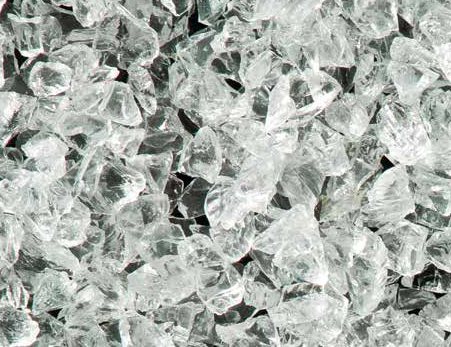
Guide
Wet Blasting Abrasive: Which Abrasive for the Wet Method?
How wet blasting works, which abrasives are compatible with water and how to deal with flash rust.
Read more
Guide
Can You Sandblast with Sea Sand? Risks and Alternatives
Why sea sand is not recommended for blasting: salt, grain shape, moisture and dust risks, and safer alternative abrasives.
Read more
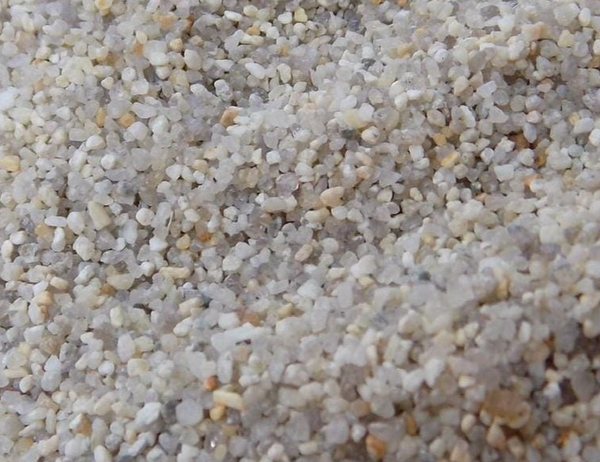
Technical Information
Quartz Sand vs Silica Sand: Which One for Blasting?
The differences between quartz sand and silica sand, the silica risk they share in blasting and the abrasives to use instead.
Read more
Technical Information
Dry Quartz Sand: Why Is Moisture a Problem in Blasting?
The problems moisture in an abrasive causes in blasting, how to store dry quartz sand and what to watch for regarding silica dust.
Read more
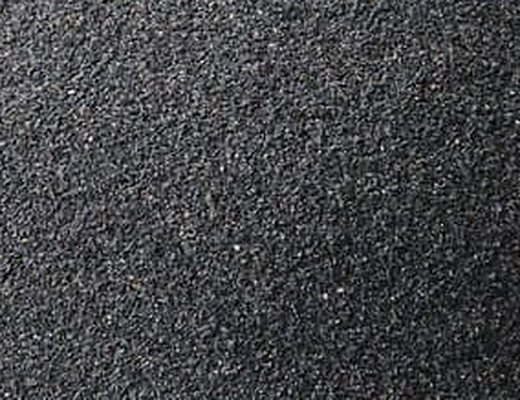
Technical Information
What Is Basalt Sand? Use and Properties in Blasting
The properties of volcanic basalt sand, its uses in blasting, advantages, limits and safety notes.
Read more
Guide
Is Glass Abrasive Dangerous? Dust and Safety in Blasting
How glass abrasive differs from quartz sand, the dust risks that remain in blasting and the precautions needed for safe work.
Read more
Technical Information
Fine Glass Beads: Where Are Micro Glass Beads Used?
Which jobs fine glass beads are preferred for, the finish they give and cabinet settings for efficient use.
Read more
Guide
Glass Frosting Abrasive: Which Abrasive to Frost Glass?
Which abrasive to choose for frosting glass and blasting patterns, grain size, stencils and care after blasting.
Read more
Technical Information
What Is Micro Blasting? Precision Work with Fine Abrasives
How micro blasting works, the precision jobs it is used for, suitable fine abrasives and points to watch.
Read more
Technical Information
Aluminium Oxide Hardness: The Mohs Scale and Its Effect on Blasting
The Mohs hardness of aluminium oxide, how hardness affects blasting results, a comparison with silicon carbide and the limits of a hard abrasive.
Read more
Technical Information
Aluminium Oxide Powder: Micro Grit Sizes and Uses
What fine-grained aluminium oxide is, macro vs micro grits, where it is used and what to watch when working with fine powder.
Read more
Technical Information
Aluminium Oxide F80: How to Read FEPA Grit Numbers
What the F80 code means, how to read FEPA grit numbers, the difference between the F and P systems and which jobs suit F80 aluminium oxide.
Read more
Guide
Is Aluminium Oxide Harmful? Dust and Protection in Blasting
General information on where dust comes from when blasting with aluminium oxide, the silica question, precautions, the safety data sheet and waste.
Read more
Technical Information
How Is Aluminium Oxide Made? Fusing and Crushing
How the aluminium oxide used in blasting is made, from bauxite through fusion, crushing and sieving to finished grain.
Read more
Technical Information
How Is Silicon Carbide Made? The Acheson Furnace
How silicon carbide is made from silica sand and petroleum coke in the Acheson furnace and turned into abrasive grain.
Read more
Technical Information
What Is Corundum? Fused Alumina and Its Role in Blasting
What the mineral corundum is, how natural corundum differs from fused alumina, and the corundum types used in blasting.
Read more
Technical Information
How Are Blasting Abrasives Made? Production and Screening
From garnet to aluminium oxide, from glass grit to steel shot: how blasting abrasives are produced, screened and quality-checked.
Read more
Technical Information
How Are Glass Beads Made? Getting the Sphere Shape
How glass turns into a bead: raw material, milling, flame spheroidising, screening and roundness control.
Read more
Technical Information
How Is Steel Shot Made? Atomisation and Heat Treatment
From melting to atomisation, heat treatment and screening: the steps of steel shot production and how steel grit and cut wire are made.
Read more
Guide
Soda Blasting or Abrasive Blasting? A Comparison
How soda blasting works, its strengths and weaknesses, and the jobs where abrasive blasting is the better choice.
Read more
Guide
Dry Ice Blasting or Abrasive Blasting? When to Use Which
How dry ice blasting works, its strengths, limitations and safety points, and the jobs that need abrasive blasting instead.
Read more
Guide
Walnut Shell Blasting and Plastic Media as an Alternative
Where walnut shell abrasive is used, its limitations and how it compares with alternatives such as plastic media and glass beads.
Read more
Technical Information
Aluminium Oxide SDS: What to Check in the Safety Data Sheet
The structure of the safety data sheet (SDS/MSDS) for aluminium oxide and the sections blasting companies should check first.
Read more
Guide
Quartz Sand Uses: Blasting, Foundry and Filtration
How quartz sand is used in glass, foundry, filtration, construction and ceramics; its limits in blasting and safer alternatives.
Read more
Guide
Stone Wall Blasting: Which Abrasive Will Not Damage Stone?
Choosing abrasive and pressure so you do not damage stone, wet blasting, protecting joints and safety when blasting stone walls.
Read more
Guide
Blasting Abrasives in Ankara: Shipping, Packaging and Quotes
Abrasive selection for machinery, defence and steel fabrication workshops in Ankara, shipping by courier, export and the information needed for a quote.
Read more
Guide
Blasting Abrasives in Izmir: Shipping, Packaging and Quotes
Abrasive selection for steel structures, tanks, coastal facilities and workshops in Izmir, surface preparation in a marine climate, shipping, export and quotes.
Read more
Guide
Blasting Abrasives in Bursa: Supply for Industrial Zones
Abrasive selection for automotive suppliers, foundries, mould makers and machinery workshops in Bursa, shipping by courier, export and quote information.
Read more
Guide
Blasting Abrasive Supply to Konya: Abrasives for Foundries
Choosing abrasives for the foundry, machinery and agricultural machinery industries of Konya, shipping and the quote process.
Read more
Guide
Quartz Sand in Istanbul: Supply and Delivery for Blasting
Grain ranges, limits in blasting, safer alternatives and delivery for those looking for quartz sand in Istanbul.
Read more
Guide
What Is Abrasive Blasting and How Is It Done?
The purposes of abrasive blasting, its basic steps, the main methods and abrasive selection explained in a basic guide.
Read more
Guide
Air Blasting vs Wheel Blasting: What Is the Difference?
How compressed-air and wheel blasting systems differ in working principle, part types, abrasives and investment.
Read more
Technical Information
Why Is Abrasive Blasting Necessary Before Painting?
Why blasting before painting matters and the five steps for correct surface preparation.
Read more
Guide
The Difference Between White and Brown Aluminium Oxide
A simple comparison of the differences in purity, hardness behaviour and applications between the two types of aluminium oxide.
Read more
Guide
What Is Garnet Abrasive and Where Is It Used?
We explain the structure of garnet abrasive, its advantages in blasting, the points to watch and its common applications.
Read more
Technical Information
How Is Surface Profile Measured After Blasting?
Comparators, replica tape and digital gauges, the difference between Ra and Rz, and what affects surface profile.
Read more
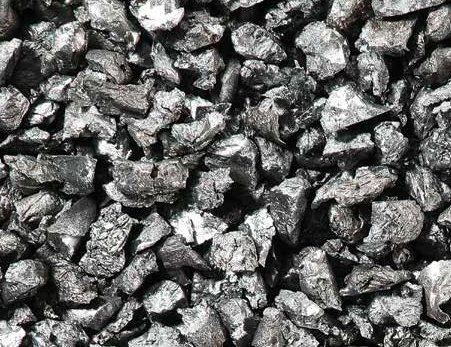
Guide
How to Blast Stainless Steel
We explain iron contamination on stainless steel, choosing the right abrasive and the steps to follow after blasting.
Read more
Guide
How to Blast Aluminium: A Practical Guide
Suitable abrasives for aluminium, iron contamination, pressure settings and blasting before anodising.
Read more
Workplace Safety
Safety in Abrasive Blasting and the Risk of Silica Dust
The main risks of blasting, why silica dust is dangerous and the basic precautions to take.
Read more
Technical Information
Can Blasting Abrasive Be Reused?
Which abrasives can be reused, how a recovery system works and how to calculate the real cost.
Read more
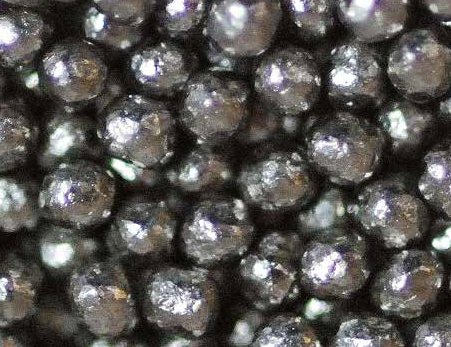
Technical Information
What Is Shot Peening? A Guide
How shot peening works, how it differs from blasting, where it is used and how the process is controlled.
Read more
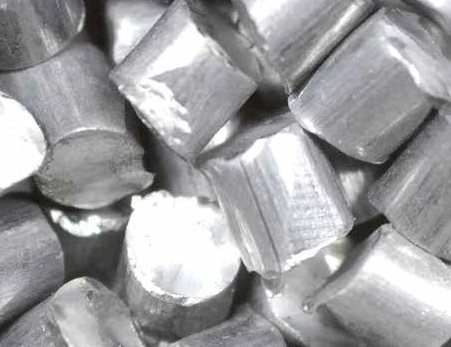
Guide
What Is Cut Wire Shot? Cylindrical vs Conditioned
Production, types and selection of cut wire shot, and how it compares with cast steel shot.
Read more
Guide
How to Treat Surfaces with Glass Bead Blasting
Where glass beads are used, how they differ from glass abrasive and the settings for a uniform satin finish.
Read more
Guide
What Is Plastic Media Blasting and What Is It Used For?
Where plastic granules are used, their advantages, limitations and comparison with other abrasives.
Read more

Industries
Ship Blasting and Shipyard Surface Preparation Guide
Cleanliness grades, salt control, environmental conditions, abrasive selection and quality records in ship blasting.
Read more
Technical Information
How to Choose the Grit Size for Blasting
How grain size affects cleaning speed, surface profile and cost, and how to read FEPA and mesh codes.
Read more
Guide
7 Common Abrasive Blasting Mistakes and How to Fix Them
Seven common blasting mistakes, from the wrong abrasive to waiting too long before painting, and their solutions.
Read more
Guide
Garnet Abrasive Prices: The Factors That Determine Cost
Mesh size, purity, quantity, packaging and delivery: the factors that determine garnet abrasive prices and what to prepare before requesting a quote.
Read more
Guide
Types of Blasting Abrasives: Mineral, Metallic and Plastic
Mineral, metallic and plastic abrasives: a comparison of blasting abrasive types by grain shape, hardness and typical uses.
Read more
Technical Information
What Is Silicon Carbide? The Hardest Blasting Abrasive
How silicon carbide is made, its black and green types, technical properties, how it differs from aluminium oxide and where it is used in blasting.
Read more
Guide
Blasting Abrasive Prices: 7 Factors That Set the Price
From material type to freight: the 7 factors that set the price of blasting abrasives, and how to compare by cost per square metre instead of price per kilo.
Read more
Technical Information
What Is Steel Grit? Hardness Classes and Use in Blasting
The structure of steel grit, its hardness classes, SAE sizes, applications and practical tips for efficient use in cabinets and wheel blast machines.
Read more
Technical Information
Garnet Mesh Sizes: 20/40, 30/60, 80 and 120 Mesh Compared
How to read a mesh number, which jobs 20/40, 30/60, 80 and 120 mesh garnet are used for and how to choose the right mesh.
Read more
Guide
Abrasives for Blasting Machines: Choosing by Machine Type
Which abrasive to use in pressure pots, blast cabinets, wheel blast and vacuum blasting machines, and the mistakes that lower machine efficiency.
Read more
Guide
Glass Abrasive Blasting: Which Surfaces Is It Used On?
The surfaces where glass abrasive made from recycled glass is used in blasting, grain size selection, settings and limitations.
Read more
Workplace Safety
Quartz Sand for Blasting: Conditions of Use and Alternatives
The properties of quartz sand, the respirable crystalline silica risk, when it can be used and safer alternatives for blasting.
Read more
Technical Information
What Is Shot Blasting? How Does It Work?
How shot blasting works, the types of machines, the metallic abrasives used and how it differs from shot peening.
Read more
Guide
Abrasive for Rusty Steel: Choosing the Right Blasting Media
A guide to choosing the right blasting abrasive for rusty iron and steel by rust grade, working environment and system.
Read more
Guide
Blasting Abrasive Suppliers: How to Choose One
The criteria for choosing a blasting abrasive supplier and the 8 questions to ask before placing an order.
Read more
Technical Information
Stainless Steel Grit: Profiling Without Iron Contamination
The properties of stainless steel grit, its sizes, use on stainless and non-ferrous metals and a comparison with alternatives.
Read more
Guide
How to Choose a Blasting Abrasive
Surface material, desired result, blasting system and occupational safety: the four key criteria for choosing the right abrasive.
Read more
Guide
The Difference Between Steel Shot and Steel Grit
One is round, the other angular: steel shot and steel grit give different results on the surface. We compare which suits which job.
Read more
Technical Information
What Are Sa 2, Sa 2½ and Sa 3? A Guide to Cleanliness Grades
What do the Sa grades in blasting specifications mean? We explain the cleanliness grades of ISO 8501-1 and how they differ from surface profile.
Read more
Guide
The Difference Between Glass Beads and Glass Abrasive
Both are made of glass, but they do not do the same job. Glass beads work the surface to a satin look, while glass abrasive cleans with angular grains.
Read more
Which material and grain size suit your job?
Tell us about your surface, your blasting system and the quantity you need, and our sales team will get back to you.