
Aluminium oxide is a common alternative to quartz sand in blasting, and its safety is one of the most frequent questions about it. In this post we look at whether aluminium oxide is harmful in general terms, explaining where dust comes from and which precautions can be taken. This post is general information; it does not replace a medical or legal assessment.
Short answer: dust matters as much as the material
In blasting, the risk does not come only from the abrasive itself. During the process the abrasive breaks down, and rust, paint and coatings come off the surface; all of these mix into the air as dust. So the question "How is dust controlled on site?" matters as much as "Which abrasive is less harmful?". Whatever abrasive is used, blasting dust should not be inhaled.
Does aluminium oxide contain silica?
The best-known health risk in blasting comes from abrasives containing free crystalline silica, such as quartz sand. Aluminium oxide is made of aluminium and oxygen and is among the abrasives that contain no free crystalline silica, which is why it is chosen as an alternative to quartz sand.
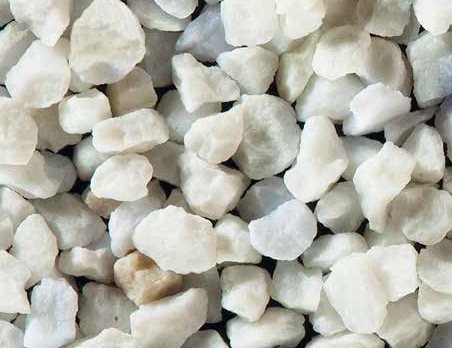
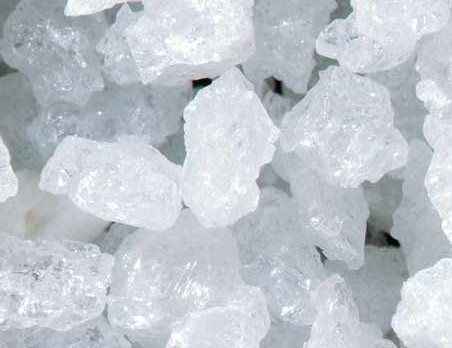
- Our product pages give a composition of more than 99% Al₂O₃ for white aluminium oxide.
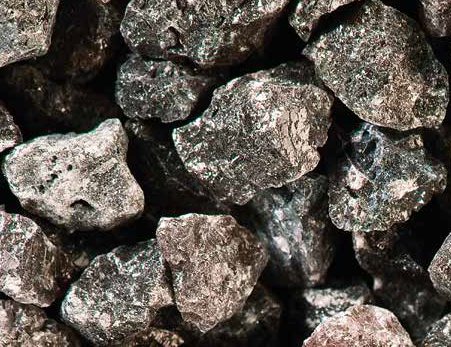
- The composition given for brown fused alumina also includes a small proportion of SiO₂. Whether this is free crystalline silica, and the product’s hazard classification, are stated in the safety data sheet.
We explain in detail why silica dust is dangerous, and the general precautions, in safety in abrasive blasting and silica dust; we do not repeat it here.
Where does blasting dust come from?
- Abrasive breakdown: grains shatter on impact and fine particles stay airborne.
- The blasted surface: old paints, primers and coatings may contain harmful components. Especially on old structures and ships, if the paint content is unknown it should be investigated first.
- The base material: dust also forms from the blasted metal or material itself.
- Contaminated abrasive: abrasive used many times can carry residues from earlier jobs.
What precautions can be taken?
Risk reduction starts with measures that control the source, followed by personal protection:
- Enclosed cabinet and dust collection: where possible, blast in an enclosed cabinet with a dust collector of sufficient capacity.
- Blast helmet: operators working in the open or in a blast room use a blast helmet supplied with clean breathing air.
- Other protection: gloves, protective coveralls, hearing protection and safety footwear.
- People nearby: workers close to the blasting area can also be exposed; the area should be separated and signed.
- Cleaning: do not disperse settled dust by dry sweeping or with compressed air; collect it with a suitable industrial vacuum.
- Hygiene: wash hands and face after work, keep work clothes separate from everyday clothes and do not eat or drink in the blasting area.
Which respiratory protection and which measures are needed is set by the workplace risk assessment, which should be carried out with your occupational safety specialist.
How to read a safety data sheet (SDS)
Every abrasive has a safety data sheet (SDS). It covers the product’s hazard classification, exposure controls and required personal protection, first aid measures, storage conditions and disposal information. For its general structure, see the Wikipedia article on safety data sheets. Ask your supplier for the current SDS of the product you buy; for products bought from us, simply request the sheet.
Used abrasive and waste
Used aluminium oxide is not just abrasive; it also contains paint, rust and coating residues from the blasted surface. How the waste is classified therefore depends largely on the surface blasted. Dispose of it in line with the applicable environmental regulations, using a licensed waste company where needed. Recycling the abrasive also reduces the amount of waste; see recycling blasting abrasive.
Frequently asked questions
Can aluminium oxide cause silicosis?
Silicosis is a lung disease associated with inhaled free crystalline silica. Aluminium oxide is among the abrasives that contain no free crystalline silica; the product’s exact composition and classification are stated in its safety data sheet. Even so, blasting dust should not be inhaled whatever its source. If you have a health complaint, see a doctor.
Is aluminium oxide harmful to skin or eyes?
Hard, angular grains can cause mechanical irritation, and rebounding grains can injure the eyes. Gloves, protective clothing and suitable face and eye protection should therefore be used. If grains get into the eyes or cause irritation, follow the first aid measures in the safety data sheet and see a doctor if symptoms persist.
How should used aluminium oxide be disposed of?
Because used abrasive contains paint and coating residues from the blasted surface, its waste class can vary with the surface. It should be disposed of in line with applicable environmental regulations, using a licensed waste company where needed.
Contact us for safety data sheets and product advice
You can request the safety data sheet for the aluminium oxide you use or plan to use, and we can choose the right abrasive for your job together. Browse all products on the products page or contact us through the quote form.