
Abrasive cost is a significant item in many blasting jobs. Reusable products and a well-designed recovery system can reduce material consumption and waste. However, not every product has the same durability and not every job has the same conditions. In this article we explain whether blasting abrasive can be reused, how a recovery system works and how to calculate the real cost.
Which abrasives can be reused?
| Abrasive | Reusability | Note |
|---|---|---|
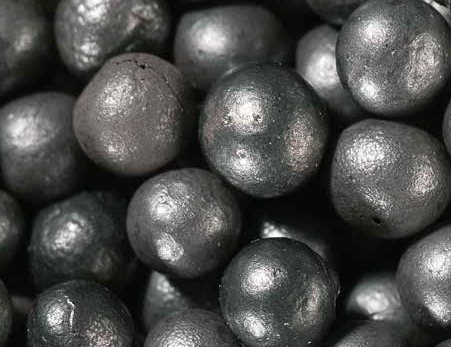
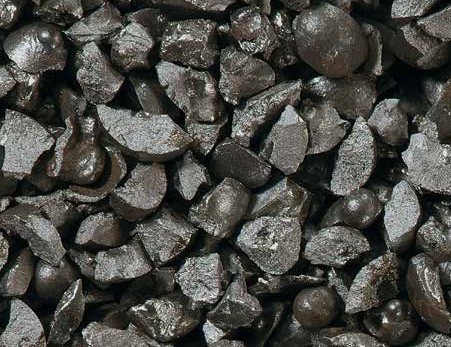
| Steel shot and grit | High | Suitable for recirculation in wheel blast systems |
| Stainless steel shot and grit | High | Long life in enclosed systems, no iron contamination |
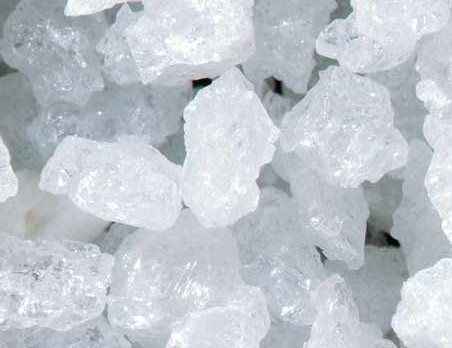
| Aluminium oxide | Medium – high | Requires an enclosed cabinet and recovery |
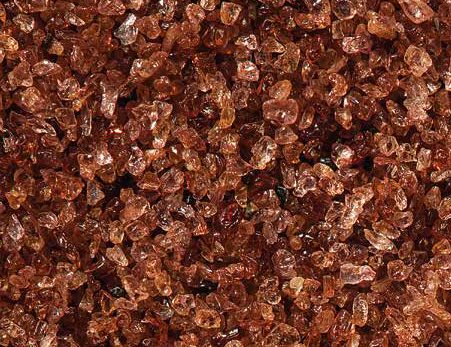
| Garnet | Medium | Depends on system and quality |
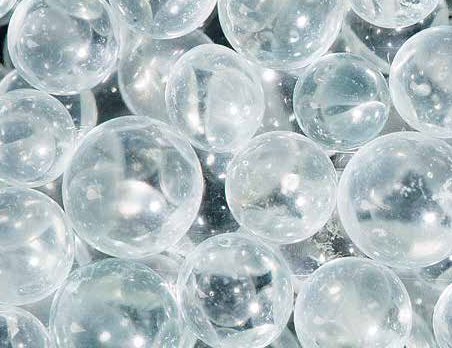
| Glass beads | Medium | Broken beads must be separated |
| Plastic granules | Medium | Several cycles when used at low pressure |
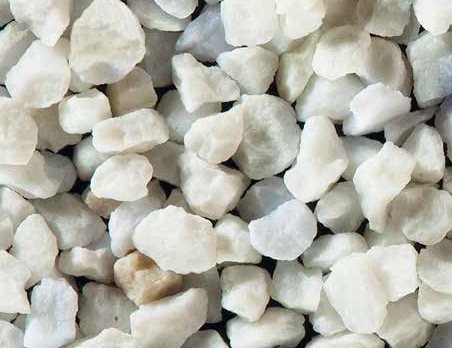
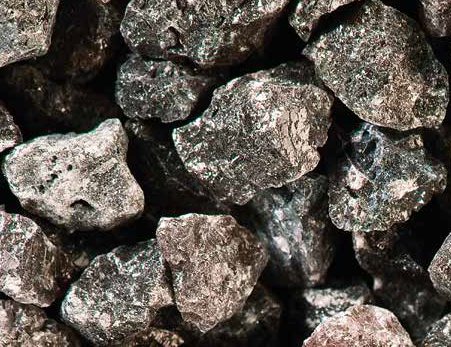
| Friable minerals such as quartz and basalt | Low | Mostly limited use |
This assessment gives a general idea. Actual life depends on pressure, surface, product quality and equipment.
How does a recovery system work?
Used material is collected and separated with air and screens. Fine dust and contamination removed from the surface are taken out of the system, and the usable grain returns to the hopper. Magnetic separation can also help with metallic abrasives. A typical recovery cycle consists of these steps:
- Collection: Abrasive is collected via the cabinet floor grate, screw conveyor or vacuum.
- Air separation: Light dust and broken grains are sent to the dust collector by air flow.
- Screening: Coarse foreign matter (paint flakes, bolts, burrs) is caught on the screen.
- Storage and feed: The cleaned abrasive returns to the hopper and is reused.
For general information on blasting methods and equipment, see the Wikipedia article on abrasive blasting.
Why does the working mix matter?
As abrasive is used, it breaks and gets smaller. Too many fine grains reduce efficiency; too few fine grains make surface coverage harder. Adding new material regularly and monitoring the grain distribution makes the result more consistent. We explain the effect of grain size on the result in detail in our grit size selection guide.
Check before reusing
- Is there oil, paint dust, moisture or metal contamination?
- Is the grain size still suitable for the job?
- Was the previous job done on a different metal?
- Does the removed coating contain hazardous substances?
Abrasive used on carbon steel should not be used on stainless steel or aluminium; otherwise rust stains may appear on the surface. For details, see our article on stainless steel blasting. In jobs involving hazardous waste such as old lead-based paint, dust and waste must be managed in accordance with regulations.
Limits of reuse
Recovery is not possible or economical in every job. In open-air, one-off work on site, collecting the abrasive can be difficult; in this case single-use or low-cost options are considered. If the collected material is wet, heavily contaminated or has become too fine, reusing it can reduce surface quality.
How is the cost calculated?
Looking only at the price per kilogram can be misleading. For a correct comparison, the following items should be calculated together:
- Unit price of the product and number of reuse cycles
- Blasting speed, i.e. square metres cleaned per hour
- Labour and equipment running time
- Dust clean-up, amount of waste and disposal cost
For example, a more expensive but reusable abrasive can be more economical per square metre than a cheap single-use product. You can find an example of this comparison for garnet in our article on garnet abrasive prices.
Frequently Asked Questions
How many times can steel shot be used?
Steel shot can be used for a large number of cycles in wheel blast machines with a suitable recovery system. The exact number depends on the hardness of the shot, the parts being processed and the machine settings.
Can blasting sand be reused?
Friable minerals such as quartz break down into dust quickly and are not suitable for reuse. Garnet, aluminium oxide and metallic abrasives, however, can be used more than once with a suitable system.
When should new abrasive be added to a recovered mix?
New material should be added when the proportion of fines in the system increases and the blasting speed drops. Regular small additions keep the grain distribution more stable than large, infrequent ones.
Let us choose the right abrasive for your system together
If you share your equipment, recovery set-up and the parts you process, we can determine the most economical option together from steel shot, steel grit, garnet or aluminium oxide. Contact us via the quote form.