
The corrosion resistance of stainless steel comes from the thin chromium oxide layer on its surface. The wrong abrasive or dirty equipment can transfer foreign iron onto this surface, and rust stains may then appear on the stainless part. That is why, in stainless steel blasting, cleanliness and process discipline matter as much as abrasive selection.
Why should stainless steel be treated separately?
Thanks to its chromium content, stainless steel forms a thin passive layer on its surface that renews itself. As long as this layer remains intact, the material resists corrosion. Blasting affects this layer mechanically and can cause foreign matter to become embedded in the surface. For general properties of stainless steel, see the Wikipedia article on stainless steel.
The biggest risk: iron contamination
Carbon steel shot or grit can embed iron particles into the stainless surface. When these particles come into contact with moisture, they rust and make the surface look rusted. The same risk applies to:
- Abrasive previously used on carbon steel
- Uncleaned cabinets, hoses or recovery systems
- Blasting in the same area as carbon steel parts
Which abrasives are used for stainless steel blasting?
| Abrasive | Result | Suitable job |
|---|---|---|
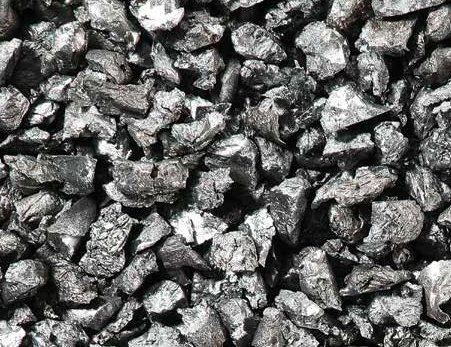
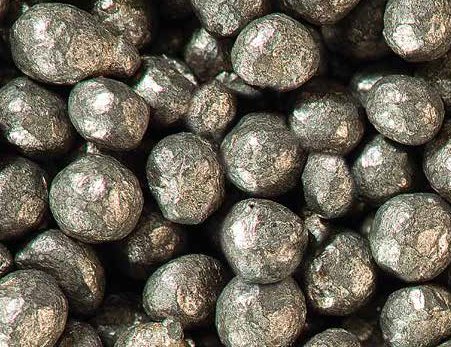
| Stainless steel grit | Rough, clean surface | Weld and scale cleaning, surface preparation |
| Stainless steel shot | Smoother surface | Cleaning and appearance |
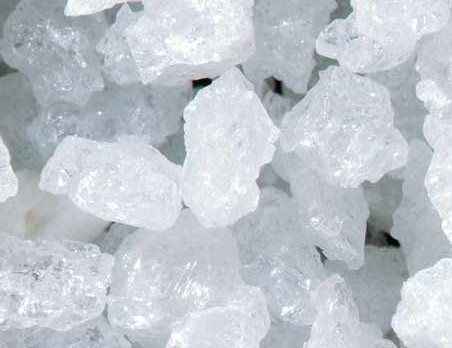
| White aluminium oxide | Matt and sharp profile | Precision work where iron is not wanted |
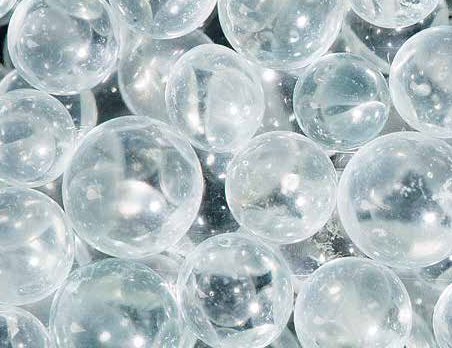
| Glass beads | Satin, uniform appearance | Decorative work, light cleaning |
Stainless steel grit has a hardness of approximately 59 HRC and creates a distinct profile with its angular shape. Because it can be used for a long time in enclosed recovery systems, it can be economical in series work. Our product page lists grain ranges from number 10 to number 120.
What jobs require stainless steel blasting?
- Weld seam cleaning: Removing heat tint and slag around the weld
- Scale and oxide removal: Surfaces after heat treatment or hot forming
- Profile before coating: Adhesion surface for paint, powder coating or thermal spray
- Decorative surface: Uniform matt or satin appearance on architectural panels, railings and equipment
- Maintenance cleaning: Removing accumulated dirt from moulds, machine parts and equipment
Stainless steel shot or grit?
If the goal is a smoother appearance and cleaning, stainless steel shot stands out; if a more pronounced roughness and cutting effect is needed, stainless grit is the choice. If paint or coating will be applied, the profile is usually created with grit; if appearance is the priority, shot or glass beads are preferred. We explain the basic logic in our article on steel shot vs steel grit.
Points to watch in practice
- Clean the cabinet, hoses and recovery system beforehand.
- Do not use abrasive that has been used on carbon steel for stainless work.
- Test pressure and grain size on a small area first.
- Watch out for heating and distortion on thin sheets; do not hold the nozzle on one spot.
- Handle parts with clean gloves; oil and fingerprints can affect subsequent processes.
How to clean the equipment
If both carbon steel and stainless steel are processed in the same cabinet, follow these steps before switching to stainless work:
- Empty the old abrasive from the hopper completely.
- Clean the inside of the cabinet, the grates and the dust collector connections with compressed air.
- Run the hose and nozzle empty to clear any remaining grains.
- Fill the system with labelled abrasive reserved for stainless work.
Where possible, using a separate cabinet or a separate abrasive circuit for stainless work is the safest approach.
After blasting
Blasting can temporarily affect the protective layer on the surface and makes the surface rougher. Depending on the service environment, additional treatments such as passivation may be required. This decision depends on the part's operating conditions and the applicable standards; for critical jobs, consult a coating or materials specialist.
Frequently Asked Questions
Can steel grit be used for stainless steel blasting?
Carbon steel grit is not recommended because it can leave iron particles on the stainless surface. Instead, abrasives that do not cause iron contamination are used, such as stainless steel grit, white aluminium oxide or glass beads.
Why does blasted stainless steel rust?
Usually, foreign iron particles embedded in the surface rust. Dirty abrasive, uncleaned equipment or shared use with carbon steel are the most common causes.
Is passivation required after blasting stainless steel?
Not in every job; it depends on the part's service environment and the specification. In demanding conditions such as food, chemical or marine environments, the decision should be made with specialist advice.
The right abrasive for your stainless surfaces
If you share your part type, the expected appearance and the system you use, we can determine the right option together from stainless grit, stainless shot, white aluminium oxide or glass beads. For price and stock information, fill in the quote form.