
When wheels are refinished, blasting is one of the fastest ways to remove old paint, corrosion and brake dust residue. But alloy and steel wheels are not blasted the same way: the wrong abrasive means deep marks and iron contamination on aluminium, and too little profile on steel. In this post we explain how to choose a wheel blasting abrasive by wheel type and by the purpose of the job.
First the goal: stripping or preparing for paint?
Wheel blasting involves two different jobs, and the abrasive changes accordingly:
- Stripping paint and coatings: the goal is to remove the old layer while abrading the base metal as little as possible.
- Preparing for paint or powder coating: the goal is a clean, profiled surface that the new coating can grip.
- Appearance work: a wheel left unpainted or clear-coated needs an even matt or satin look.
Most wheel jobs do these steps in order: stripping first, then preparation. We explain how blasting affects coating life in why blasting before painting matters.
Choosing an abrasive for alloy wheels
Aluminium is a soft metal; hard, coarse grains can embed in the surface and leave deep marks on thin wheel spokes. That is why gentler abrasives come first on alloy wheels:
- Plastic media: strips paint and coatings without noticeably abrading the base metal; suits the fine details of the spokes.
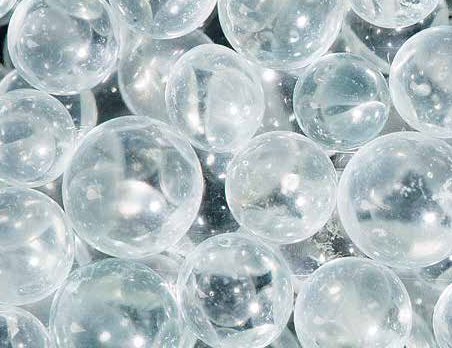
- Glass beads: the round grains clean without cutting a profile and give an even satin look.
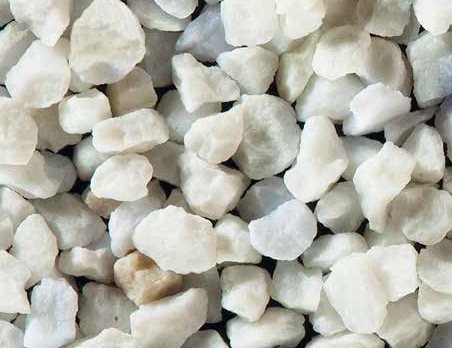
- White aluminium oxide: with a fine grain it cuts a controlled profile for adhesion before powder or wet paint, and contains no iron.
Steel grit, or abrasive previously used on steel, is not recommended on aluminium; iron particles can cause corrosion stains under the paint. Details are in how to blast aluminium.
Choosing an abrasive for steel wheels
On steel wheels the problem is usually rust and thick, old paint layers. Here you need real cutting power and a clear profile for the paint:
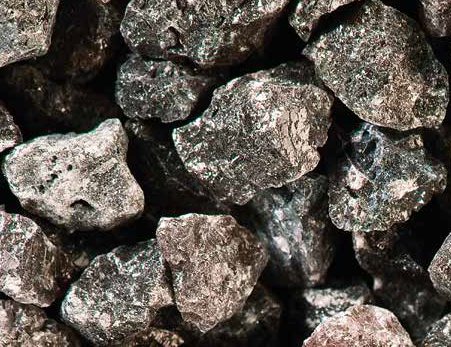
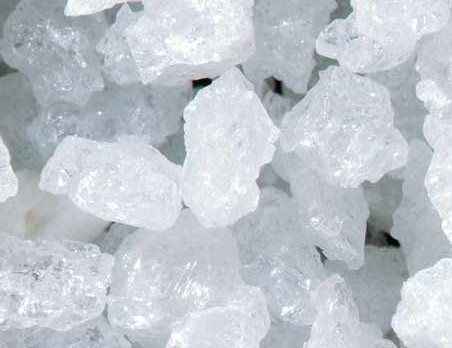
- Brown fused alumina: its hard, angular grains remove rust and old paint quickly and leave a good profile for painting.
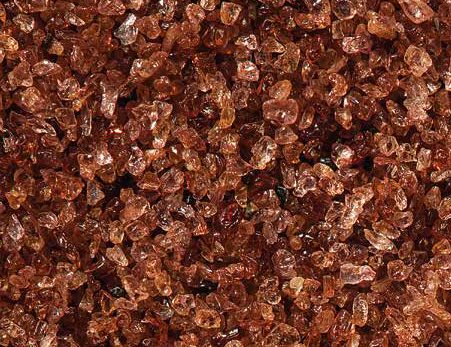
- Garnet: gives an even surface with low dust; a common choice for open cabinets and pressure pots.
- On heavily rusted wheels: a coarser grain can be used for the first pass and a finer grain for the final, paint-ready profile.
Steel wheels are also made of thin sheet; very high pressure and staying on one spot for long can thin the metal. Keep the nozzle moving.
Grain size and pressure
Medium and fine grain ranges are usually preferred for wheels. A coarse grain strips fast but roughens the surface more than needed, and the profile can show even through powder coating. The right size depends on your paint and your cabinet. We explain the general logic in our grain size selection guide.
There is no single correct pressure. Starting low and testing on the hidden inner side of the wheel is the safest approach. For general information on how alloy wheels are made, see the Wikipedia article on alloy wheels.
Masking and preparation
Before blasting, prepare the wheel and protect certain surfaces:
- Remove the tyre, valve, balance weights and any sensors.
- Protect the hub seat, stud holes and tyre bead seats with tape or plugs; these surfaces must not change dimension.
- Wash off grease and brake dust first; an oily surface contaminates the abrasive.
- After blasting, blow the wheel clean with clean compressed air and move on to primer or paint without long delays.
Safety and reusing the abrasive
Wheel blasting should be done in a cabinet or an area with proper dust extraction, using a blast helmet, gloves and protective clothing. Abrasives containing silica should not be used; see safety in abrasive blasting. Plastic media, glass beads and aluminium oxide can be recovered and reused several times in a cabinet; keeping separate abrasive for alloy and steel wheels prevents iron contamination.
Frequently asked questions
What abrasive is used for blasting wheels?
On alloy wheels, plastic media is used for stripping paint, glass beads for a satin look and fine white aluminium oxide for a profile before powder coating. On steel wheels, brown fused alumina or garnet is preferred.
Does blasting thin or damage a wheel?
Blasting with the right abrasive and settings removes very little material. High pressure, coarse hard grains or holding the nozzle on one spot can cause marks and thinning in thin areas. If you notice cracks or damage after blasting, have the wheel checked by a specialist.
Can steel grit be used on alloy wheels?
It is generally not recommended. Steel grit can cut deep marks into soft aluminium and leave iron particles that cause corrosion stains under the paint.
Get a quote for wheel blasting abrasives
Tell us whether you work on alloy or steel wheels, your cabinet or pot type and the paint you use, and we will choose the right abrasive and grain size together. Browse all products on the products page or fill in the quote form for pricing.