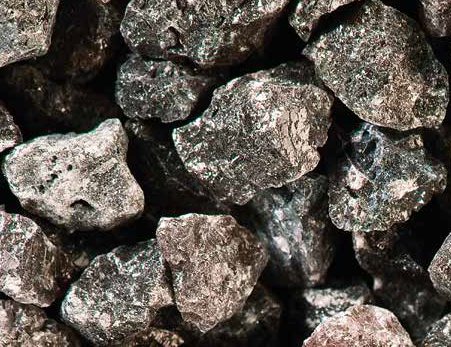

Aluminium is a softer metal than steel. The wrong abrasive or high pressure can therefore leave deep marks on the surface, distort thin parts and create unwanted differences in appearance. For a good result, material, outcome and settings must be considered together. In this article we explain how to blast aluminium, which abrasives are suitable and the points to watch.
Why be careful when blasting aluminium?
Aluminium is a light, easily machined metal naturally protected by a thin oxide layer. This oxide layer provides corrosion resistance; however, the softness of the surface means that hard and coarse abrasives can become embedded or leave deep marks. For the general properties of aluminium, see the Wikipedia article on aluminium.
Purposes of blasting aluminium
- Surface preparation before painting or coating
- Uniform matt appearance before anodising
- Cleaning castings
- Maintenance of moulds and machine parts
- Decorative satin finish
Which abrasive is suitable?
| Abrasive | Effect | Reason to choose |
|---|---|---|
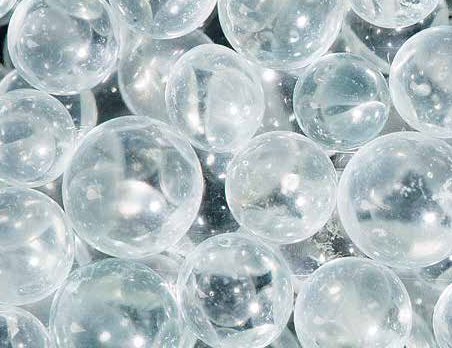
| Glass beads | Smooth, satin appearance | Visible surfaces, light cleaning |
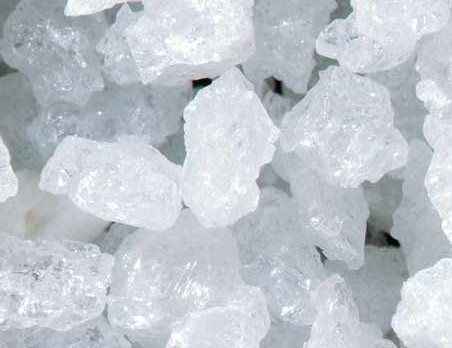
| White aluminium oxide | Matt and rougher surface | Adhesion before coating, iron-free |
| Plastic granules | Low abrasion | Coating removal, delicate substrate |
White aluminium oxide contains no iron and is a frequent choice for creating a profile on aluminium. If appearance is the priority, glass beads stand out; if paint stripping is the priority, plastic granules are the choice.
Watch out for iron contamination
Steel grit or abrasive previously used on steel can leave iron particles on aluminium. These particles can cause appearance problems and lead to corrosion. Using a separate abrasive for aluminium work and cleaning the equipment is recommended. The same principle applies to stainless steel; details in our article on stainless steel blasting.
Pressure and distance settings
There is no fixed "correct pressure" for aluminium; the value depends on the abrasive, part thickness and desired appearance. Starting with a low setting and evaluating the result on a small sample is the safest way. On thin sheets, holding the nozzle on one spot can cause distortion; keep the movement continuous and the angle and distance constant.
Blasting before anodising
Blasting gives a uniform matt appearance to parts that will be anodised. However, residual abrasive particles and different pressures can show up as colour differences after anodising. It is therefore important to prepare a sample first and to send the part to the process clean. For general information on anodising, see the Wikipedia article on anodising.
Blasting aluminium castings
For aluminium castings, the aim is usually to remove mould marks, fine burrs and surface oxides. Abrasives that are gentle on the substrate, such as glass beads and plastic granules, are preferred for this work. If there is mould sand or thick residue, a more effective cleaning step can be applied first, followed by a second step for appearance.
Choosing grain size for aluminium
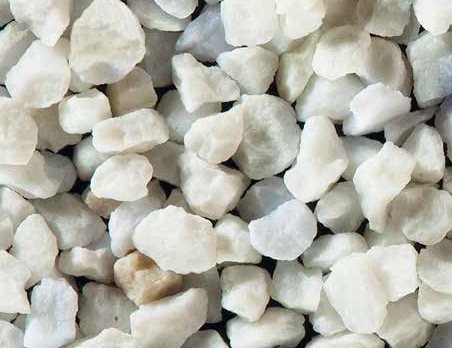
Medium and fine grain ranges are generally preferred for aluminium. Coarse grains can leave deep marks on the soft surface and distort thin parts. If a profile is needed for paint or coating, medium-fine white aluminium oxide can be considered; for a decorative appearance, fine glass beads. We explain the general logic of grain selection in our grit size selection guide.
After blasting
Remove dust from the surface with clean compressed air and, if coating is to follow, continue the process without delay. Touching blasted aluminium with bare hands can leave fingerprints and oil marks; use clean gloves.
Frequently Asked Questions
Is steel grit used for blasting aluminium?
Steel grit is generally not recommended because it can leave iron particles on aluminium and cut deep marks into the soft surface. White aluminium oxide, glass beads or plastic granules are preferred.
Can aluminium wheels be blasted?
Yes; however, because wheels have fine details, they should be blasted at low pressure with a suitable abrasive. Plastic granules can be considered for paint stripping and fine white aluminium oxide for surface preparation.
Does blasting make aluminium thinner?
Blasting with the right settings removes very little material from the surface. High pressure, coarse and hard abrasive or working on the same spot for too long can cause loss of thickness and distortion on thin parts.
Let us choose the right abrasive for aluminium together
If you share your part type, thickness and desired appearance, we can determine the right abrasive and grain size together. Contact us via the quote form.