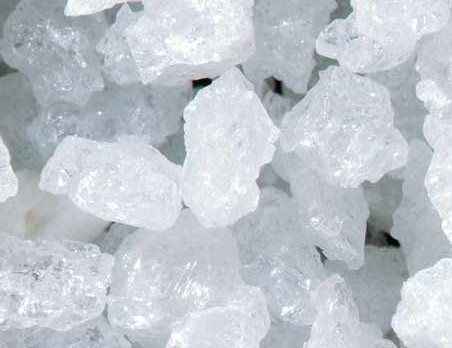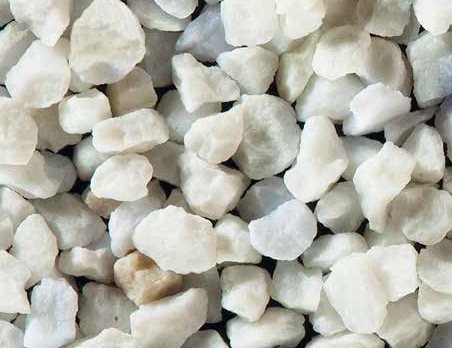

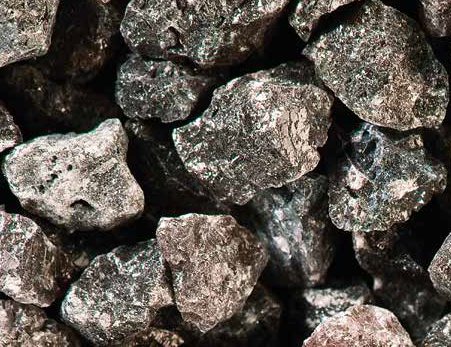
Different grain sizes of the same abrasive can give very different results. The right grain size affects cleaning speed, surface profile and total cost. In this article we explain how to choose the grit size for blasting, what FEPA and mesh codes mean and the questions to ask when choosing.
How does grain size affect the result?
| Property | Coarse grain | Fine grain |
|---|---|---|
| Impact energy | Higher | Lower |
| Profile | Deeper | Shallower |
| Surface coverage | Lower | Higher |
| Suitable job | Thick coatings and rust | Thin coatings, smooth surface |
A coarse grain transfers more energy with each impact and breaks thick layers; however, because there are fewer grains per unit weight, it covers the surface more sparsely. A fine grain strikes the surface more often and leaves a smoother appearance and lower profile.
What do FEPA and mesh mean?
Abrasives are mostly specified by FEPA code, mesh or a millimetre range. FEPA is the Federation of European Producers of Abrasives and publishes grain size standards (official FEPA website). In FEPA codes, the higher the number, the finer the grain. The same logic generally applies to mesh values: mesh refers to the number of openings per inch of a sieve.
For example, the following codes are common for aluminium oxide:
| FEPA code | Average range (µm) | General use |
|---|---|---|
| F24 | 600 – 850 | Heavy abrasion |
| F60 | 212 – 300 | General surface cleaning |
| F120 | 90 – 125 | Fine work |
Product codes and ranges may vary by manufacturer or standard; check the product page and technical data before ordering. You can see the available ranges on our brown aluminium oxide and white aluminium oxide pages.
How grain size is specified by abrasive type
- Aluminium oxide and silicon carbide: Usually FEPA codes (F24, F60, F120…)
- Garnet: Usually mesh ranges (20/40, 30/60, 80, 120). Details in our article what is garnet abrasive.
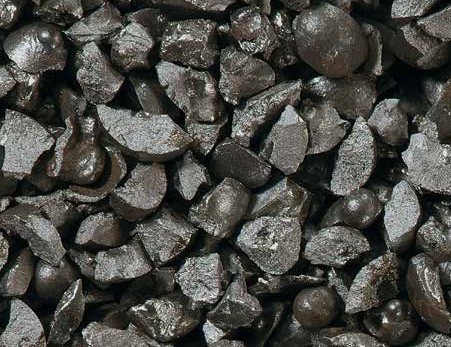
- Steel shot and steel grit: Their own numbering systems (letter and number codes such as S and G)
- Glass beads: Usually a micron range
Codes from different systems may not convert directly into each other. When comparing, the safest approach is to look at the range in millimetres or microns.
Five questions for choosing
- What is on the surface? Thick rust and paint may need coarse grain; light contamination may need finer grain.
- What profile is required? The paint's technical data sheet and the specification are an important starting point. For measurement, see our article on surface profile.
- How delicate is the part? Thin sheet and soft metals require a more controlled choice.
- Is the equipment suitable? Nozzle diameter and pressure must match the selected grain; a very coarse grain can block a narrow nozzle.
- Will the material be reused? Breakdown and fines change the grain distribution over time.
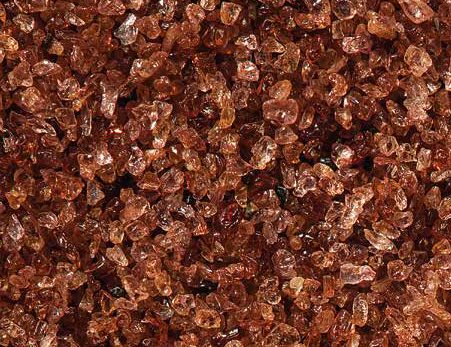
Grain size and pressure
Grain size alone does not determine the result; it works together with pressure, nozzle diameter and distance. The same grain creates a deeper profile at higher pressure but also breaks down faster. Raising the pressure too much with fine grain can turn it into dust and reduce efficiency. So whenever you change the grain size, you should also re-test the pressure setting.
Common mistakes in choosing grain size
- Assuming "the coarser, the faster": Coarse grain covers the surface sparsely and can slow down work on light contamination.
- Looking only at the product name: The same product name may be sold in different ranges; check the micron or millimetre range.
- Not adding new abrasive in a recovery system: The grain distribution becomes finer over time and the profile changes.
- Ignoring nozzle compatibility: Coarse grain in a narrow nozzle causes blockages and uneven flow.
Is an operating mix needed?
Some systems use an operating mix rather than a single size. Coarse grains break thick layers while fine grains finish the surface. This balance is especially important in systems with recovery; adding new abrasive regularly maintains the grain distribution.
Run a test
Blasting a small area, measuring the surface profile and assessing cleaning speed is the most practical way to confirm your choice. By changing pressure, nozzle distance and grain size one at a time, you can see which setting reaches the target.
Frequently Asked Questions
How many microns is FEPA F60?
The average range for F60 is approximately 212 – 300 µm. The exact value is given in the manufacturer's technical data sheet.
Does the grain get coarser as the mesh number increases?
No. As the mesh number increases, the sieve openings get smaller, so the grain gets finer. For example, 80 mesh garnet is finer than 30/60 mesh garnet.
Which grain size is used for blasting before painting?
It is chosen according to the profile range required by the paint system. This value is given in the paint's technical data sheet and should be confirmed by test blasting and measurement. For details, see our article on blasting before painting.
Get a grain size recommendation
If you share your surface material, the coating to be removed, the target profile and your equipment, we can determine the right abrasive and grain size together. Contact us via the quote form.