
A paint system is only as durable as the surface it is applied to. Paint applied over rust, mill scale or dirt can quickly blister and peel, and corrosion can start underneath. Abrasive blasting before painting is one of the most effective surface preparation methods for reducing this risk. In this article we explain what blasting gives the paint, the correct application steps and why environmental conditions matter.
What does blasting before painting provide?
- Clean surface: Rust, mill scale and old coatings are removed.
- Adhesion: The profile created on the surface provides a mechanical anchor for the paint.
- Measurable quality: Cleanliness and profile can be checked against standards.
- Long life: A well-prepared surface helps the paint system protect for its designed service life.
Why are a wire brush or sanding not enough?
Hand or power tool cleaning can remove loose rust and paint, but it often cannot fully clean tightly adhering mill scale and rust in pits. These methods can also polish the surface and do not create the profile the paint needs to grip. Blasting, on the other hand, both cleans the surface thoroughly and gives it a uniform profile. This is why paint manufacturers usually require a blasted surface for steel structures operating in demanding conditions.
Five steps for correct application
1. Check the paint manufacturer's requirements: Every paint system requires a specific cleanliness grade and profile range. These values are given in the technical data sheet and are the starting point of the job.
2. Remove oil and grease first: Blasting may not remove oil completely and can even spread it over the surface. Oily areas should therefore be cleaned before blasting.
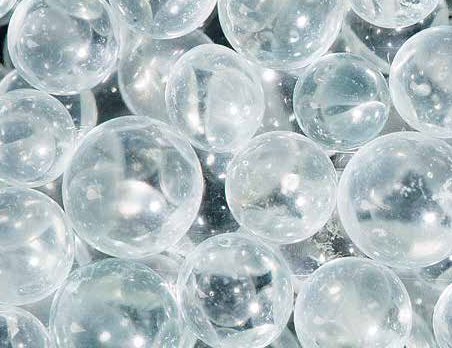
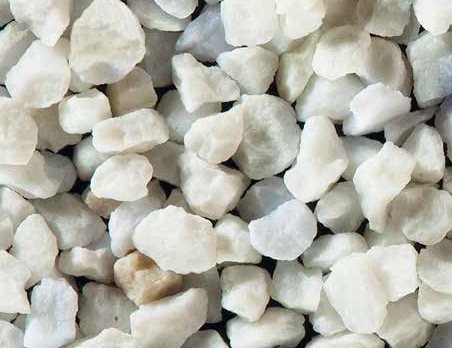
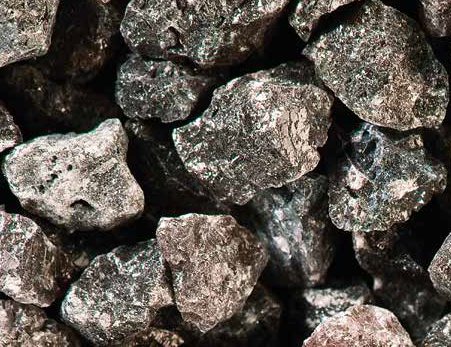
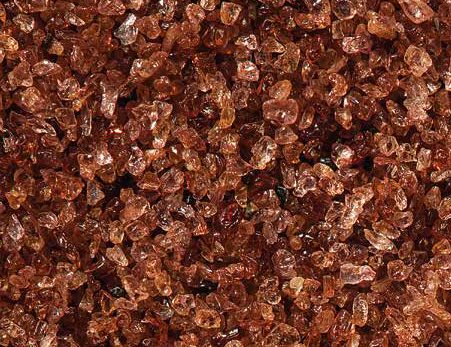
3. Choose the right abrasive: Grain size and shape directly affect the profile. Brown aluminium oxide, garnet and steel grit are frequently considered for steel surfaces. We explain grain selection in our grit size guide.
4. Check the result: Cleanliness is usually assessed with the ISO 8501-1 photographic references. We explain these grades in our Sa 2, Sa 2½ and Sa 3 guide. For profile, see our article on measuring surface profile.
5. Remove dust and paint without delay: Dust on the surface weakens paint adhesion. Freshly cleaned steel can start to rust quickly in humid air, so the coating should be applied as soon as possible.
Which abrasive for which job?
| Abrasive | Where it stands out |
|---|---|
| Garnet | Open air, site work, low dust expectations |
| Brown aluminium oxide | Thick rust and coatings, pronounced profile |
| Steel grit | Recovery cabinets and wheel blast systems |
| White aluminium oxide | Stainless and surfaces where iron contamination is unwanted |
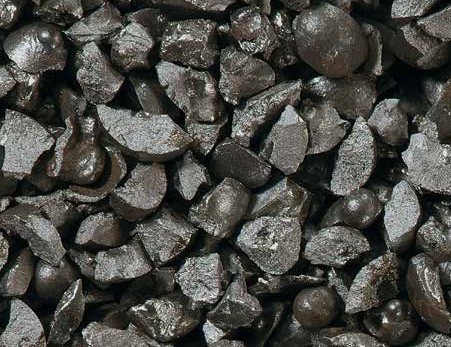
Why do environmental conditions matter?
If the surface temperature is close to the dew point, an invisible layer of moisture can form on the steel. In practice, a surface temperature at least 3 °C above the dew point is a common requirement. The paint manufacturer's instructions should be followed for exact values. For general information on the dew point, see the Wikipedia article on dew point.
- Measure relative humidity and air temperature before starting work.
- Check the surface temperature with a separate thermometer.
- Repeat the measurements during the day; conditions can change quickly in the morning and evening.
What if blasting is not possible?
In some cases blasting may not be possible: there is sensitive equipment nearby, dust cannot be controlled or the area is too confined. In these jobs, hand or power tool cleaning (St 2, St 3 grades) or high-pressure water jetting can be considered. However, the surface obtained with these methods may not provide the same adhesion as a blasted surface. The paint manufacturer's technical data sheet determines which method is accepted; if an alternative method is to be used, approval should be obtained in advance.
Frequently Asked Questions
How soon after blasting should painting be done?
The exact time depends on humidity and the paint system. The general rule is to paint as soon as possible, before the surface rusts or becomes contaminated again. The paint manufacturer's instructions should be followed.
Which cleanliness grade is required before painting?
Sa 2½ is a common requirement for many industrial paint systems; however, the required grade varies with the paint system and service environment. The value in the technical data sheet should be followed.
Can galvanised surfaces be blasted?
On galvanised surfaces, light sweep blasting is generally applied to avoid damaging the zinc layer. The appropriate method and abrasive should be determined according to the paint system.
Request a quote for surface preparation before painting
For information on our blasting service or our abrasive products for surface preparation, fill in the quote form.