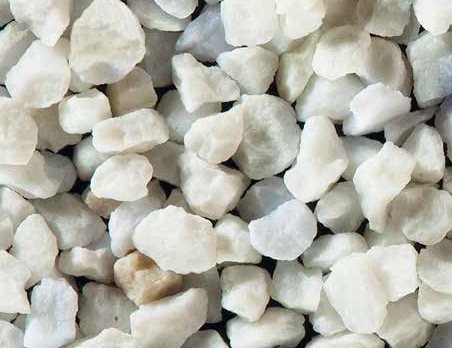

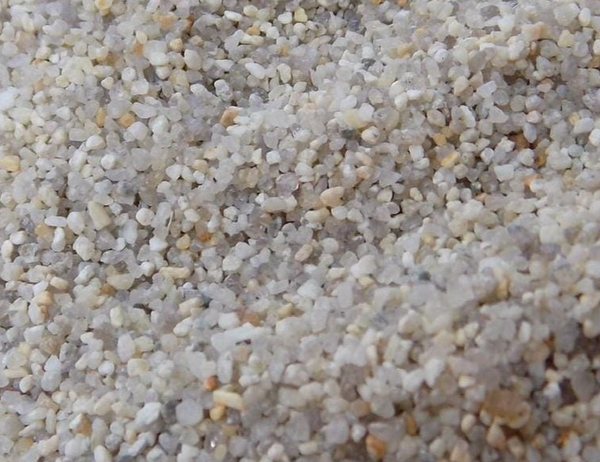
Abrasive blasting is an efficient surface treatment, but it carries serious risks due to high-speed particles, heavy dust and noise. Planning precautions before starting work protects both workers' health and the continuity of the job. In this article we outline safety in abrasive blasting and in particular the risk of silica dust. This article provides general information only; it does not replace an assessment by an occupational safety specialist or the regulations in force.
Why is silica dust dangerous?
Respirable crystalline silica dust consists of very small particles that can reach the lungs. Long-term exposure can lead to permanent lung diseases such as silicosis and other serious health problems. The risk is particularly high with abrasives that contain free silica, such as quartz sand. Concrete, paint or rust on the surface can also create hazardous dust. For general information on silicosis, see the Wikipedia article on silicosis.
Main risks
- Dust: Abrasive and contaminant particles removed from the surface
- Noise: Nozzle, compressor and impact noise
- Rebound: Grains and particles bouncing back
- Pressure: Hose bursts, coupling and connection failures
- Environment: Confined spaces, working at height, poor visibility
Basic precautions
Reduce the risk first: Where possible, choose a lower-risk abrasive and use a cabinet and dust collection system. Personal protective equipment is not the first solution but the last layer of protection.
Respiratory and personal protection: A respiratory system suitable for blasting, a fresh air supply, helmet, hearing protection, gloves and protective clothing should be selected according to the risk of the job. The maintenance of these systems and the air quality should also be checked regularly.
Equipment checks: Hoses, nozzles, couplings and emergency stop devices should be inspected before each job. Worn parts should be replaced without delay.
Training and health surveillance: Personnel should be trained on the equipment and the risks; appropriate health surveillance and workplace measurements should be carried out.
The hierarchy of controls
The generally accepted approach in occupational safety is to apply controls in order of effectiveness:
- Elimination or substitution: Using a lower-risk product instead of a hazardous abrasive
- Engineering controls: Enclosed cabinets, dust collection, ventilation, wet methods
- Administrative controls: Planning working time, restricting access, training
- Personal protective equipment: The last layer for the risk remaining after other controls
How does abrasive choice affect safety?
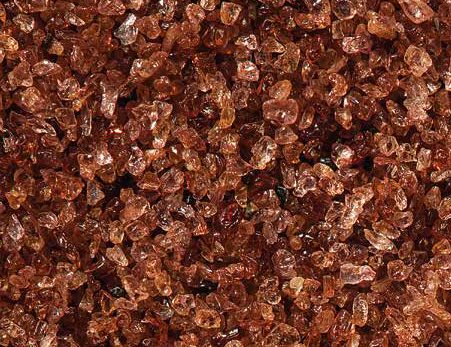
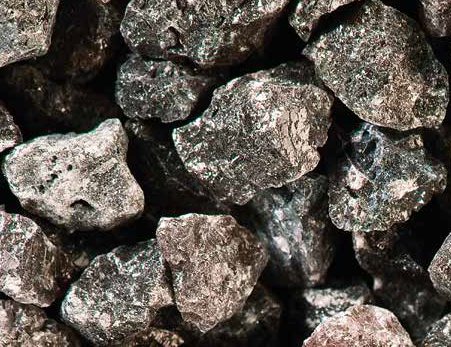
Every abrasive can produce dust, so it is wrong to assume that any product is "dust-free". Review the product's safety data sheet (SDS). Options that do not contain free crystalline silica include aluminium oxide, garnet and metallic abrasives. You can compare the options in our guide on how to choose a blasting abrasive.
Waste and environment
Used abrasive contains removed paint and coating particles. In jobs where old paints containing lead or other hazardous substances are removed, dust and waste must be managed in accordance with regulations. Recovery systems can help reduce the amount of waste; details in our article on abrasive recovery.
Frequently Asked Questions
Which abrasives do not contain free silica?
Aluminium oxide, garnet, steel shot and grit, glass beads and plastic granules generally do not contain free crystalline silica. For definitive information, check the safety data sheet of each product.
Which mask is used for blasting?
Blasting work generally uses blasting helmets with a fresh air supply. The appropriate protection should be determined by an occupational safety specialist according to the risk of the job.
I have been exposed to silica dust. What should I do?
Whether or not you have symptoms, discuss your exposure with your occupational physician or a respiratory specialist. This article does not replace medical advice.
Contact us for safety data sheets
For our products' safety data sheets and lower-risk abrasive options, contact our sales team via the quote form.