
The right blasting abrasive directly affects the speed of the job, the quality of the surface and the total cost. An abrasive that is too hard can damage a delicate part, while one that is too soft will struggle with a thick coating. This post summarises the four key criteria to consider when choosing.
The first question when choosing a blasting abrasive: what is the surface?
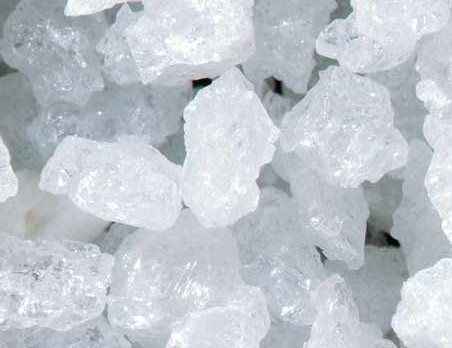
Carbon steel, stainless steel, aluminium, glass and concrete do not call for the same abrasive. On materials such as stainless steel and aluminium in particular, carbon steel abrasives can leave iron residue on the surface and lead to staining later. For such work, options such as white aluminium oxide, stainless steel grit or glass beads are considered.
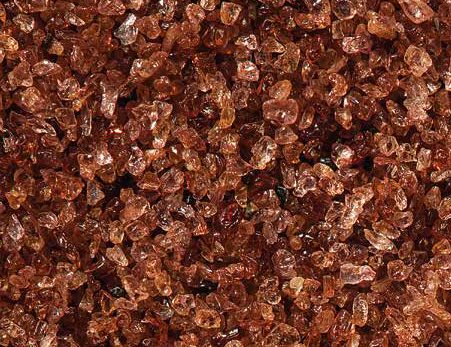
On concrete and stone, the aim is usually cleaning or roughening; garnet and glass abrasive are commonly used materials here.
The desired result: cleaning, profile or appearance?
The grain shape of the abrasive determines the result:
- Angular grains cut the surface and create a profile. They suit work where paint and coatings need to adhere.
- Round grains act on the surface by impact. They are preferred for cleaning, a satin appearance and surface hardening.
Grain size matters too. Coarse grains work more aggressively and leave a deeper profile; fine grains give a smoother surface but are slow on thick coatings.
Materials side by side
| Material | Typical hardness | Grain shape | Common uses |
|---|---|---|---|
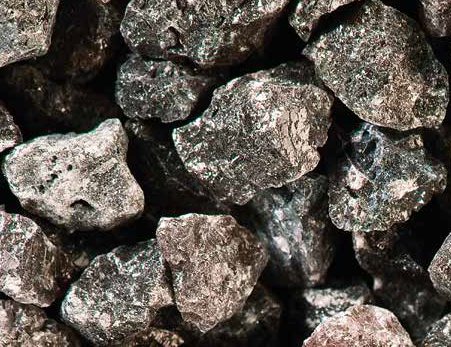
| Aluminium oxide | Mohs 9 | Angular | Roughening, precision surface treatment |
| Garnet | Mohs 7.5 – 8 | Angular | Ship and heavy industry cleaning, waterjet cutting |
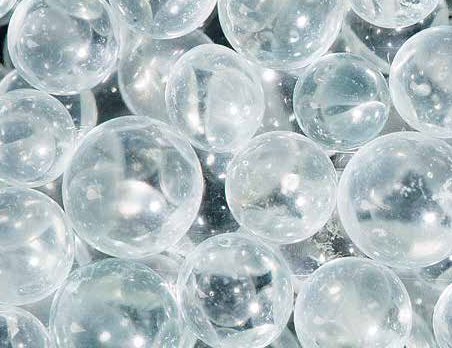
| Glass abrasive | Mohs 5.5 – 6 | Angular | Paint and dirt removal, decorative work |
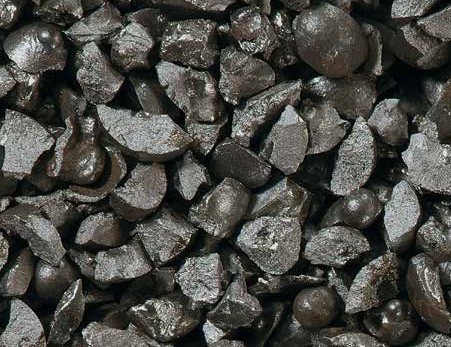
| Steel grit | 40 – 68 HRC | Angular | Coating removal, pre-coating preparation |
| Steel shot | Depends on product type | Round | Casting cleaning, surface hardening |
| Plastic granules | Mohs ~3 – 4 | Angular | Paint stripping on delicate surfaces |
Mohs and HRC are different scales and cannot be compared directly. Values are typical; refer to the product data sheet for exact information.
What is your blasting system?
Thanks to their high density and reusability, metallic abrasives are mostly preferred in enclosed systems with recovery and in turbine machines. For open-air work without recovery, single-use or limited-reuse mineral abrasives may stand out. The nozzle diameter and air capacity of the system also limit the grain size that can be used.
Consider occupational safety from the start
Whatever the material, blasting generates dust, and this dust must not be inhaled. With materials containing crystalline silica, especially in dry blasting, the risk of silicosis is serious. Use suitable dust control and respiratory protection, check the legislation in force and review the abrasive's safety data sheet.
Quick selection by application
The table below is a starting point for common jobs. You will find the details of each job in the related guide.
| Job | Typical abrasives | Detailed guide |
|---|---|---|
| Steel surface preparation before painting | Garnet, brown aluminium oxide, steel grit | Blasting before painting |
| Stainless steel | Stainless steel grit, white aluminium oxide, glass beads | Stainless steel blasting |
| Aluminium | Glass beads, white aluminium oxide, plastic media | Aluminium blasting |
| Paint stripping on delicate surfaces | Plastic media | Plastic media blasting |
| Cleaning castings and forgings in series | Steel shot, cut wire | What is cut wire? |
Grain size and cost
Once you have chosen the right material, you also need the right grain size. Coarse grains give a deeper profile and faster cleaning; fine grains give a smoother surface. Details are in our grain size selection guide. When comparing costs, look not only at the price per kilo but also at reuse and consumption per square metre. We cover this in our posts on abrasive recycling and garnet abrasive prices.
For general information on the Mohs scale, see the Wikipedia article on the Mohs scale.
Frequently asked questions
Which abrasive is used for blasting?
There is no single right answer; the choice depends on the surface, the desired result and the system. On steel, garnet, aluminium oxide and steel grit are common; on stainless steel and aluminium, white aluminium oxide and glass beads; on delicate surfaces, plastic media.
Can river or beach sand be used for blasting?
It is not recommended. Natural sands can contain free crystalline silica, which poses a serious health risk, and the salt in beach sand can cause corrosion on the surface. See our post on safety in abrasive blasting for details.
Can blasting abrasive be reused?
Garnet, aluminium oxide and metallic abrasives can be used more than once with a suitable recycling system. Brittle minerals such as quartz break down into dust quickly and are not suitable for reuse.
In short
First define the surface and the desired result, then choose a material that suits your system and safety conditions. If you are unsure, you can consult our sales team and compare all materials on our products page.