
Wood blasting is a surface treatment in which abrasive grains are sprayed onto wood with compressed air. It is used to strip old paint and varnish, to bring out the grain of the wood or to give the surface a weathered look. The key to a good result is the choice of wood blasting abrasive: with the same settings, one abrasive raises the grain beautifully while another leaves the surface fuzzy and damaged. In this post we explain which abrasive is chosen for wood and why.
What is wood blasting and what is it for?
Wood blasting has three main purposes, and each needs a different abrasive and setting:
- Raising the grain: the softer parts of the surface are worn away so the natural texture of the wood stands out in relief.
- Stripping paint and varnish: old layers are removed while abrading the wood as little as possible.
- Distressing and decorative finishes: beams, doors, furniture and cladding are given a worn, rustic look.
For a general overview of blasting methods, see what is abrasive blasting and how is it done.
How does grain raising work?
Each annual growth ring has two zones: the faster-growing, softer and more porous earlywood, and the slower-growing, harder and denser latewood. During blasting the abrasive wears the soft zone faster, while the hard zone wears less and stays raised. The grain thus gains a texture you can feel by hand. For general information on wood grain, see the Wikipedia article on wood grain.
The effect is strong in species with a clear hardness difference between the rings. In softwoods such as pine, spruce and fir the grain comes out easily; in some hardwoods with little difference, a distinct texture is hard to achieve.
Which abrasive suits wood?
Wood is much softer than metal. That is why hard but fine-grained, low-dust mineral abrasives are preferred for wood, with plastic abrasives for delicate work:
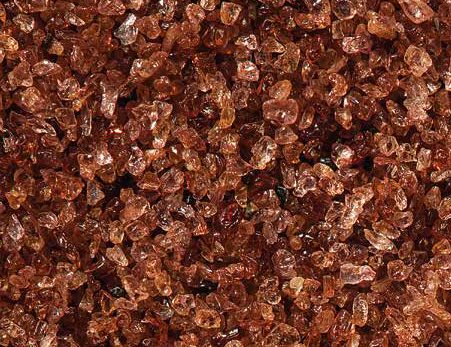
- Garnet: one of the most common choices for raising the grain; it gives an even surface with low dust.
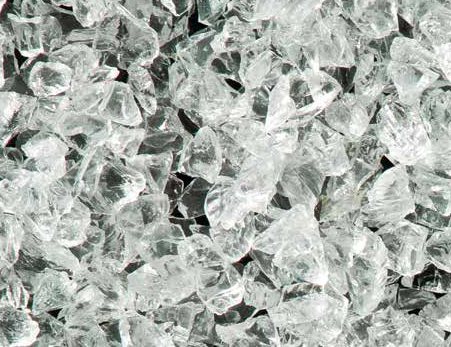
- Crushed glass: its angular grains strip paint and varnish effectively and it is also used for grain raising; it does not discolour light surfaces.
- Plastic media: strips paint without noticeably abrading the wood; suits carved furniture and fine details.
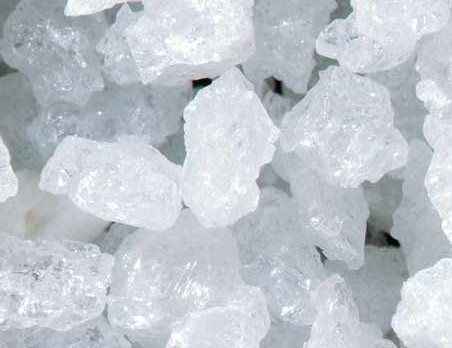
- White aluminium oxide: with a fine grain it can be used for controlled matting and a light texture; as it is hard, use low pressure.
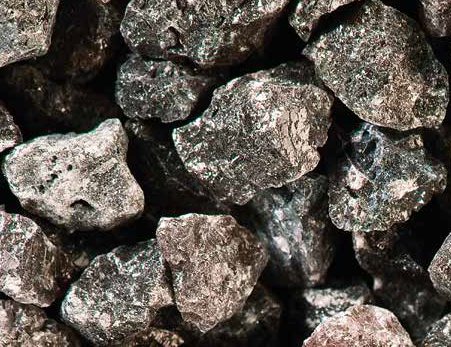
Metallic abrasives such as steel grit and steel shot are not recommended for wood; they can dent and mark it deeply, and iron particles trapped in the pores can later cause rust stains.
Stripping paint and varnish: what to watch
When stripping, the goal is to remove the layer, not the wood. Too much pressure or a coarse grain can make the surface fuzzy and deepen the grain unintentionally as the paint comes off. Test on a hidden spot first, start with low pressure and keep the nozzle moving over the surface.
On fragile areas such as carvings, mouldings and thin strips, plastic media is safer. On thick, multi-layer old paint, working carefully with garnet or crushed glass is faster. We explain the general logic of grain selection in our grain size selection guide.
Damp wood and differences between species
The moisture of the wood directly affects the result. Wet or freshly cut wood gets fuzzier during blasting, fibres lift and the abrasive can stick to the surface. The wood should be dry before blasting, and the abrasive dry and free of lumps.
- Softwoods (pine, spruce, fir): the grain comes out easily; as they are soft, start with low pressure.
- Hardwoods (oak, chestnut, ash): more resistant; a somewhat stronger setting may be needed for a distinct texture.
- Plywood and veneered panels: the face veneer is thin and blasting can reach the layer below; work very carefully.
Sanding and protection after blasting
Blasting opens the pores of the wood and leaves the surface unprotected against the weather. The following steps are recommended afterwards:
- Remove dust and abrasive residue with a brush and clean compressed air.
- If you want to keep the grain texture, do not sand coarsely; very fine sandpaper or a stiff brush is enough for raised fibres.
- Seal the wood with varnish, oil, wax or an exterior wood protector without long delays.
Wear a blast helmet, gloves and protective clothing while blasting, and do not use abrasives containing silica. Details are in safety in abrasive blasting.
Frequently asked questions
What abrasive is used for blasting wood?
Garnet or crushed glass is usually used for raising the grain, crushed glass or garnet for stripping paint and varnish, and plastic media for carved and delicate parts. Fine white aluminium oxide can also be considered for light matting.
Can the grain be raised on any wood?
It can, but the result depends on the species. In pine, spruce and fir, where the hardness difference between annual rings is clear, the grain comes out easily. In woods with little difference, a distinct texture is hard to achieve.
What should be applied to blasted wood?
As blasting opens the pores, the wood should be sealed with varnish, oil, wax or an exterior protector without long delays. The product depends on whether the wood is used indoors or outdoors.
Get a quote for wood blasting abrasives
Tell us the wood species, the purpose of the job and your blasting equipment, and we will choose the right abrasive and grain size together. Browse all products on the products page or fill in the quote form for pricing.