
Abrasive blasting is a mechanical surface treatment in which abrasive grains are propelled at high speed onto a surface. Rust, old paint, mill scale and dirt are removed this way; if required, the surface also gains a profile that helps paint or coating adhere better. In this article we answer the questions what is abrasive blasting, how is it done, and which methods and abrasives are used, as a basic guide.
What is abrasive blasting used for?
The purpose varies by job. The most common uses are:
- Steel surface preparation before painting and coating
- Removing rust, mill scale and old coatings
- Removing sand and burrs from castings
- Creating a decorative matt finish on glass, metal and stone
- Maintenance cleaning of moulds and machine parts
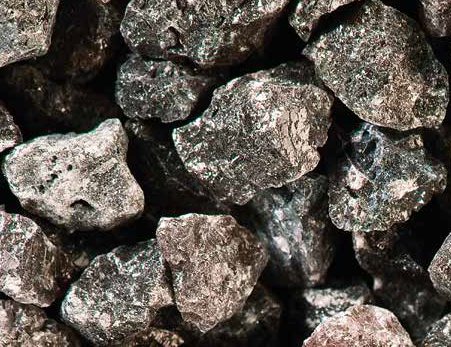
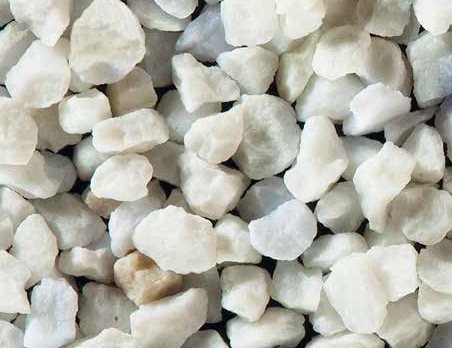
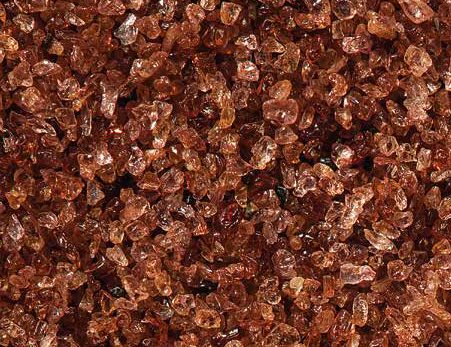
The Turkish name for blasting ("kumlama", from "kum" = sand) comes from the fact that natural sand was widely used for this work in the past. Today, for occupational health and efficiency reasons, special abrasives such as garnet, aluminium oxide, steel grit and glass beads are preferred. For general information, see the Wikipedia article on abrasive blasting.
How is abrasive blasting done?
The process consists of five basic steps:
- Inspection: The surface is inspected and the required cleanliness grade is determined.
- Pre-cleaning: Oil and grease are removed, because the abrasive can spread them over the surface instead of removing them.
- Selection: The right abrasive and equipment are chosen.
- Blasting and inspection: The surface is blasted and checked for dust, cleanliness grade and profile.
- Coating: If painting follows, the coating is applied before the surface rusts again.
We explain cleanliness grades in our Sa 2, Sa 2½ and Sa 3 guide and the steps before painting in our article on blasting before painting.
Main blasting methods
| Method | How it works | Suitable jobs |
|---|---|---|
| Compressed air | Abrasive is propelled through a nozzle by compressed air | Site work, large and complex structures |
| Wheel blasting | A rotating turbine throws the abrasive | Series parts, sheet and profile lines |
| Cabinet blasting | Blasting is done in an enclosed cabinet | Small and medium-sized parts |
| Wet blasting | Abrasive is propelled together with water | Jobs where dust control is important |
You can find the differences between methods in more detail in our air vs wheel blasting comparison.
Which abrasive is used?
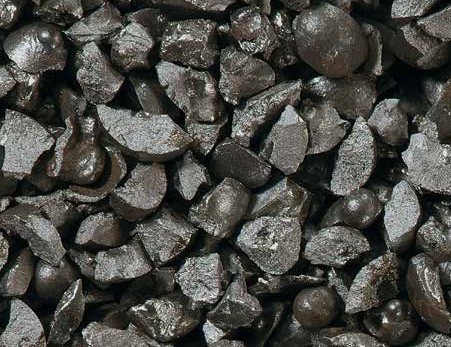
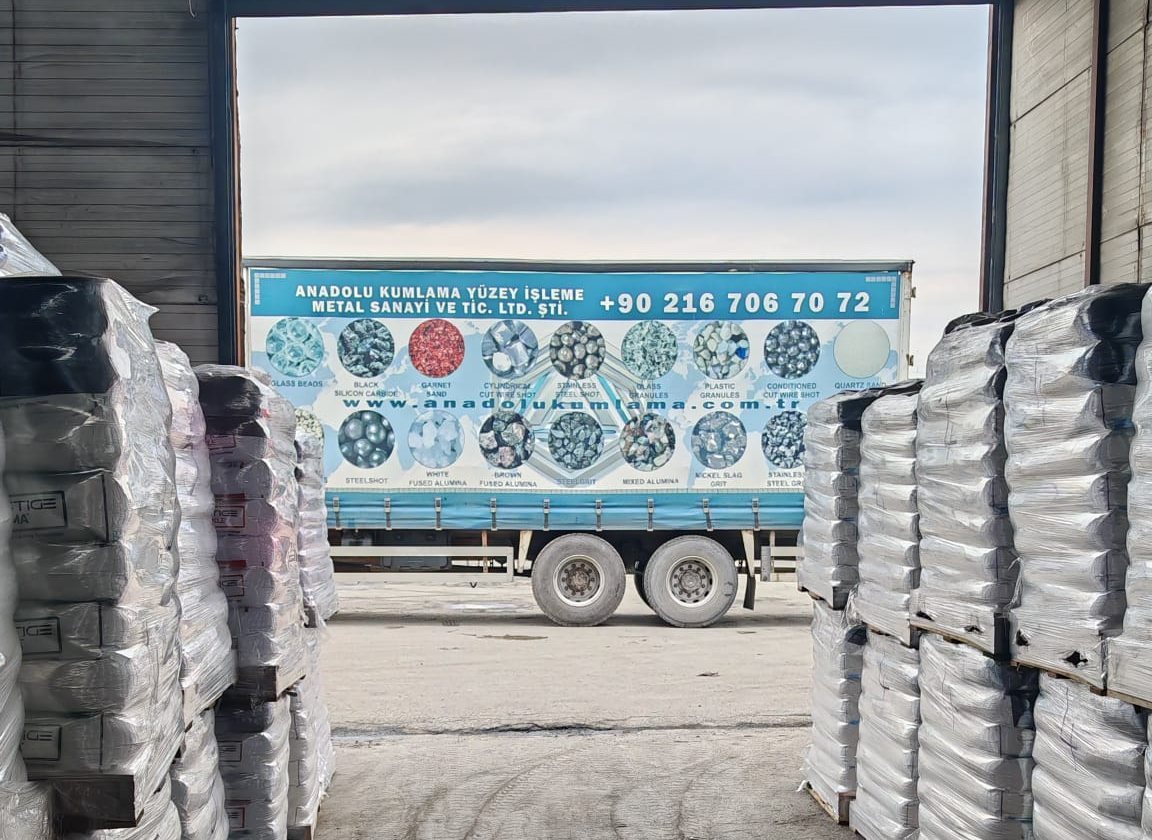
The choice depends on the surface and the result. For thick rust and paint on steel, steel grit, garnet or brown aluminium oxide can be considered. Softer abrasives such as glass beads or plastic granules are preferred for delicate surfaces. For detailed criteria, see our guide on how to choose a blasting abrasive.
- Mineral abrasives: Garnet, aluminium oxide, silicon carbide, glass abrasive
- Metallic abrasives: Steel shot, steel grit, stainless grit and shot, cut wire shot
- Soft abrasives: Plastic granules, glass beads
What does blasting quality depend on?
A good result depends not only on the right abrasive but on the whole process: dry and clean compressed air, an unworn nozzle, the right pressure and distance, abrasive stored dry, and coating without delay after blasting. We have collected the mistakes made at these points in our article on common blasting mistakes.
Safety
Blasting creates heavy dust, noise and rebound hazards. Suitable respiratory protection, protective clothing, dust control and trained personnel are basic requirements. Dust from abrasives containing free silica poses a serious health risk. For details, see our article on safety in abrasive blasting.
Frequently Asked Questions
Is abrasive blasting the same as sandblasting?
In everyday language they are often used interchangeably. Both describe cleaning a surface by propelling abrasive at it; "sandblasting" is the older term from when sand was the usual abrasive.
Does blasting damage the surface?
The wrong abrasive, high pressure or working on the same spot for too long can cause marks and distortion on thin and soft surfaces. With the right choice and settings, blasting only cleans the surface and gives the required profile.
Which sand is used for blasting?
Today, instead of natural sand, special abrasives that are more suitable for occupational health and efficiency are used. The choice depends on the surface, the desired result and the equipment.
Request a quote for the right abrasive
You can get a quote from our sales team for the right abrasive or a blasting service for your job via the quote form.