
Blasting systems deliver abrasive to the surface in two basic ways: compressed air or a rotating wheel. Although both serve the same purpose, they offer different advantages in terms of part type, production volume and workplace. In this article we explain the differences between air blasting and wheel blasting, which abrasive is used in each system and how to decide.
What is air blasting?
In air (pressure) blasting, abrasive is carried through a hose by air from a compressor and propelled onto the surface through a nozzle. Because the operator directs the nozzle, corners, internal surfaces and complex geometries are easier to treat. As the equipment can be taken to site, it is often used for on-site work such as bridges, tanks and steel structures.
Air blasting systems are divided into two types: pressure pot systems, in which abrasive is fed from a pressurised vessel, and suction (venturi) systems, in which abrasive is drawn in by vacuum. Pressure pots deliver higher productivity; suction systems are mostly used in small cabinets.
What is wheel blasting?
In wheel blast systems, high-speed rotating blades throw the abrasive onto the part by centrifugal force. They are used in fixed machines, and the abrasive is usually recovered by a recirculation system. They provide high capacity for repetitive work such as sheet, profiles, castings and forgings. For general information, see the Wikipedia article on shot blasting.
Wheel blast machines come in different designs according to part type, such as hanger machines, tumble machines and conveyor lines for sheet and profiles.
Air blasting vs wheel blasting comparison
| Criterion | Air blasting | Wheel blasting |
|---|---|---|
| Energy source | Compressed air | Turbine and electric motor |
| Workplace | Site or cabinet | Fixed machine |
| Part type | Large, complex, one-off | Series production and similar parts |
| Operator influence | High | Lower, repeatable process |
| Typical abrasive | Mineral or metallic | Mostly metallic |
| Initial investment | Usually lower | Usually higher |
Which abrasive is used?
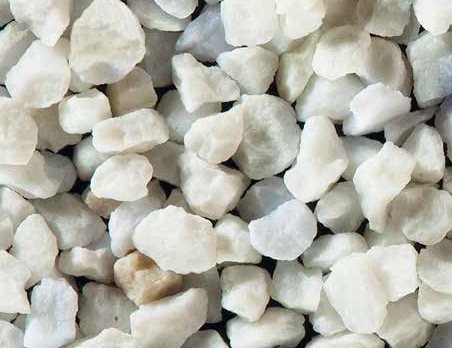
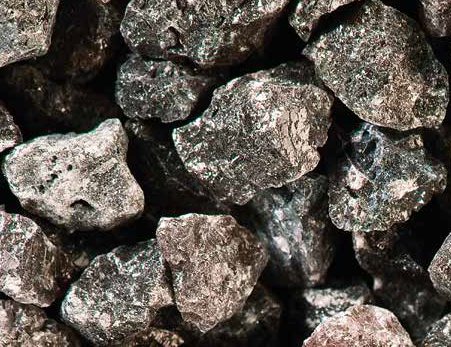
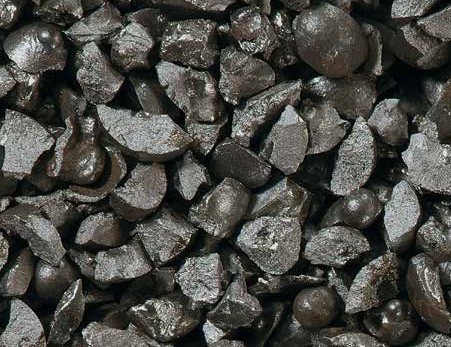
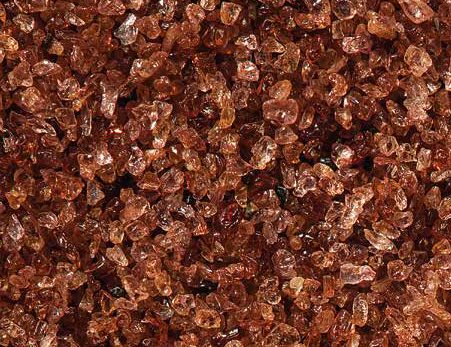
In wheel blast systems the abrasive is used over and over, so durable metallic abrasives stand out. Steel shot is used for cleaning and a peening effect, while steel grit is used for a more pronounced profile. Air blasting offers a wider choice; mineral abrasives such as garnet and aluminium oxide are also common.
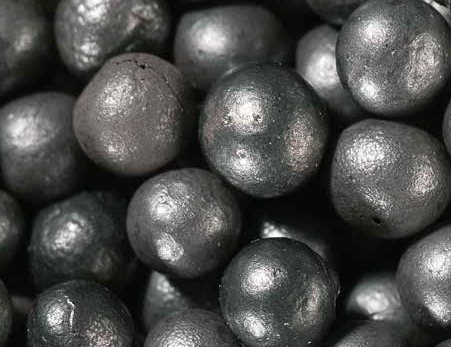
We explain the difference between shot and grit in our article on steel shot vs steel grit.
Operating costs
The two systems have different cost structures. In air blasting, one of the largest items is the air and energy consumption of the compressor; consumables such as nozzles and hoses are also replaced regularly. In wheel blasting the initial investment is higher, but in series work the labour and abrasive consumption per part are usually lower. Abrasive consumption is directly affected by the recovery set-up.
How to decide?
If your parts are similar and volumes are high, a wheel blast system can reduce unit cost. If your work is done on site and your parts are large or varied in shape, air blasting is more flexible. For a final decision, part dimensions, quantities, the required cleanliness grade and existing infrastructure should be assessed together. Some companies run both systems, using a wheel blast machine for series parts and an air blast cabinet for large or special parts.
Frequently Asked Questions
Is garnet used in wheel blasting?
Because wheel blast systems use the abrasive over many cycles, durable metallic abrasives are generally preferred. Minerals such as garnet break down faster and may not be economical in wheel blast machines.
What pressure is needed for air blasting?
The required pressure depends on the abrasive, the surface and the nozzle diameter. The equipment manufacturer's recommendations and a test on a small area are the safest way to find the right setting.
Which system gives a cleaner surface?
Both systems can reach the required cleanliness grade with the right abrasive and settings. Wheel blasting is more repeatable in series work; air blasting is more flexible on complex geometries.
The right abrasive for your system
If you share the system you use and the parts you process, we can determine the right abrasive together. Contact us via the quote form.