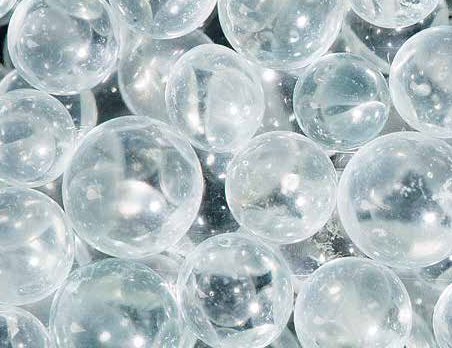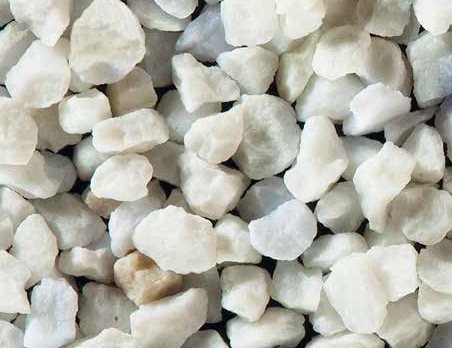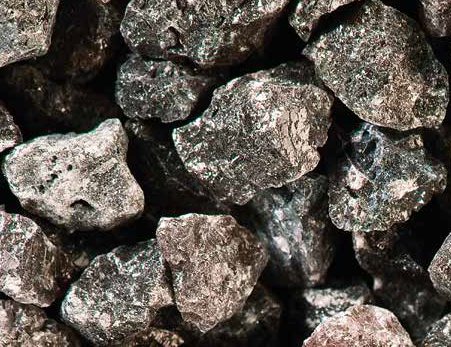

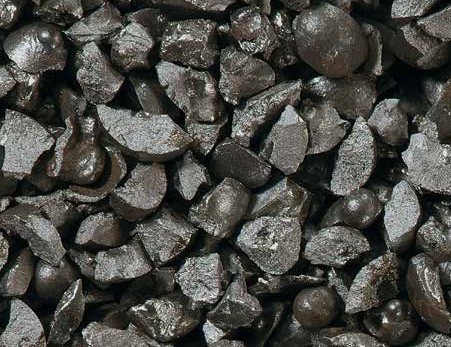
Steel shot and steel grit are two metallic abrasives from the same family, but they work very differently on the surface. Steel grit cuts the surface with its angular structure, while steel shot applies impact with its round form. The choice depends mainly on what you expect from the surface.
How does shape change the result?
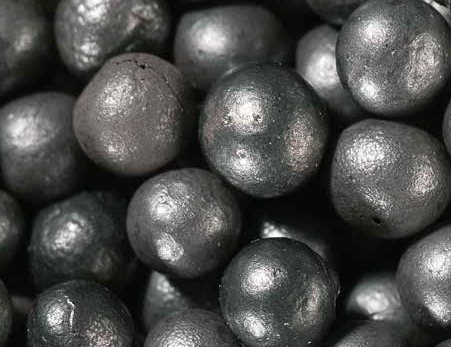
Steel shot strikes the surface and breaks up rust, scale and residue. It leaves a rounder, more even surface texture. Because controlled impacts can create compressive stress in the surface, it is also used in surface hardening (shot peening).
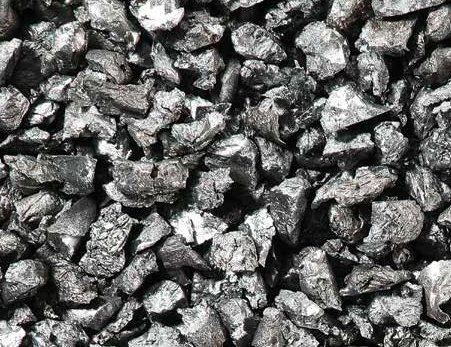
Angular grains, by contrast, scratch the surface and create a sharp profile. This profile is an important advantage where a coating must adhere mechanically to the surface.
When is steel grit preferred?
Steel grit stands out especially in these cases:
- Stripping coatings such as paint, epoxy and rubber
- Creating a surface profile before a new coating
- External surface preparation of bridges, ships and steel structures
- Deburring and surface finishing of cast parts
When is steel shot preferred?
- Cleaning of cast and forged parts
- Removing rust and oxide layers in turbine systems
- Surface hardening of parts where fatigue strength matters
- Work requiring an even surface without a sharp profile
Side-by-side comparison
| Property | Steel shot | Steel grit |
|---|---|---|
| Grain shape | Round | Angular |
| Mode of action | Impact | Cutting and scratching |
| Surface texture | Rounded, even | Sharp profile |
| Typical work | Cleaning, hardening | Coating removal, pre-coating preparation |
| Typical system | Turbine | Turbine and pressure |
Can they be used together?
Yes. In turbine systems, shot and grit mixtures can be used to balance cleaning speed and surface profile. The mix ratio is set according to the job and the machine; because grains wear during use and gradually change the mix, regular checks are needed.
Take care with stainless and non-ferrous metals
Carbon steel abrasives can leave iron residue on stainless steel or aluminium surfaces. For these materials, consider alternatives such as stainless steel grit, stainless steel shot or white aluminium oxide.
Size numbers and hardness classes
Steel shot and steel grit are specified with their own numbering systems: shot is usually referred to by codes starting with "S" and grit by codes starting with "G", and the number indicates the grain size. Grit also comes in different hardness classes. Harder grit stays sharp and produces a more pronounced profile; softer grit rounds off during use and behaves more like shot. For exact ranges, see our steel shot and steel grit product pages.
Consumption and cost
Both materials can be used for many cycles in wheel blast and recycling systems. The real cost is determined less by the price per kilo than by the machine’s hourly consumption and the rate at which grains break down. Adding new media to the system regularly keeps the size distribution of the working mix, and therefore the result, consistent. Details are in our post on abrasive recycling.
For details on shot peening, see our post what is shot peening; for a general definition, see the Wikipedia article on shot peening.
Frequently asked questions
Shot or grit before painting?
Angular grit is usually preferred for paint and coating adhesion because it creates a pronounced profile. Always check the surface profile required by the paint manufacturer; see our post on blasting before painting for details.
How many times can steel shot be used?
It can be used for many cycles in wheel blast machines with a suitable recycling system. The exact number depends on the hardness of the shot, the parts being processed and the machine settings.
In what ratio are shot and grit mixed?
The ratio depends on the job and the machine. Start with a trial and adjust by measuring surface profile and cleaning speed; because the mix changes during use, regular checks are needed.
In short
Grit is better suited to coating adhesion and aggressive cleaning, shot to an even surface and hardening. If the surface will be coated, always check the profile required by the paint manufacturer. If you are undecided about grain size, you can consult our sales team.