
Quality problems in blasting usually come not from one big cause but from small oversights. Avoiding the seven mistakes below saves material and protects the life of the subsequent paint system. In this article we explain common abrasive blasting mistakes, their causes and their solutions.
1. Using an abrasive that does not suit the surface
A material that is too hard can damage a delicate part, while one that is too soft slows down the job. When choosing, the surface, contamination and result should be considered together. Our selection guide can be a starting point.
Solution: Identify the surface material, the layer to be removed and the required profile, and choose the abrasive based on these three.
2. Not cleaning an oily surface first
Blasting may not remove oil completely and can also contaminate the abrasive. Oil and grease should be removed with a suitable method before blasting.
Solution: Check the surface for oil and grease before blasting; apply a suitable degreasing process if necessary.
3. Damp air or damp abrasive
Moisture disrupts abrasive flow and can cause freshly blasted steel to rust quickly. Air dryers and filters should be checked, and the material stored dry and covered.
Solution: Add a water separator and dryer to the compressor line; store the abrasive in a closed, dry area without direct contact with the floor. Compare the surface temperature with the dew point; for the concept, see the Wikipedia article on dew point.
4. Working with a worn nozzle
As a nozzle wears, its bore grows and air consumption rises; the blast pattern can also deteriorate. This both reduces productivity and increases cost.
Solution: Measure the nozzle bore regularly and replace it once it exceeds the set limit.
5. Not testing pressure and distance
No single setting suits every job. Too high a pressure breaks down the abrasive quickly and can damage the part; too low a pressure reduces productivity.
Solution: Test on a small area, measure the result and fix the setting accordingly. For profile measurement, see our article on surface profile.
6. Mixing abrasive between different metals
Material used on carbon steel can carry iron onto stainless steel or aluminium. Equipment cleaning and separate abrasives are important for these jobs.
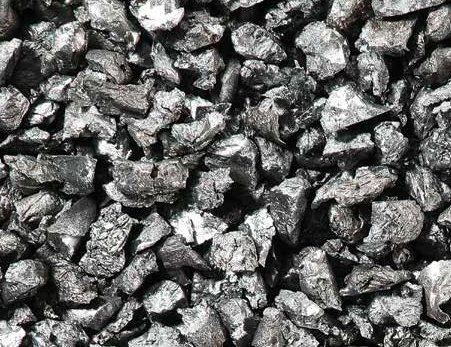
Solution: For stainless and aluminium work, use separate, labelled abrasives such as stainless steel grit or white aluminium oxide. Details in our article on stainless steel blasting.
7. Waiting too long after blasting
Freshly cleaned steel can rust quickly in humid air. Remove the dust, inspect the surface and plan painting together with blasting.
Solution: Plan the area to be blasted so that it can be painted on the same day. Details in our article on blasting before painting.
Short checklist
- Are the required cleanliness grade and profile defined?
- Is the abrasive clean, dry and suitable for the job?
- Is the air dry and the nozzle in good condition?
- Are protective equipment and dust control ready?
- Are the paint team and paint ready?
Frequently Asked Questions
Why does the surface rust immediately after blasting?
Freshly cleaned steel is very reactive; rust can form quickly in humid air or when the surface temperature is close to the dew point. The time between blasting and painting should be kept short.
Why does the abrasive clump?
The most common cause of clumping is moisture. Damp compressed air or abrasive stored in the open disrupts flow and causes hose blockages.
Why has blasting productivity dropped?
A worn nozzle, abrasive that has become too fine, low air pressure or damp air are the most common causes. Checking these four points in turn usually solves the problem.
Contact us for the right abrasive
For abrasive selection or a blasting service, contact us via the quote form.