
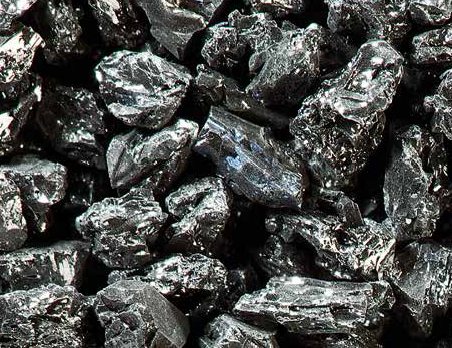
Glass blasting is a method of frosting the surface of glass with a fine abrasive to create a frosted look, patterns or lettering. It is used widely, from shower screens and shop windows to mirrors and decorative bottles. In this post we explain the abrasives people look for as a glass frosting abrasive, what result each gives and the key points of the job.
First a distinction: glass frosting abrasive vs glass abrasive
These two terms are often confused. A glass frosting abrasive is the abrasive used to blast glass; it is usually a material harder than glass, such as aluminium oxide or silicon carbide. Glass abrasive is an abrasive made from recycled glass and used on many surfaces such as metal, wood and concrete. Fine glass abrasive can also be used for decorative frosting of glass, but "glass frosting abrasive" usually refers to the harder abrasives. For the uses of glass abrasive itself, see glass abrasive blasting.
Which abrasives are used to frost glass?
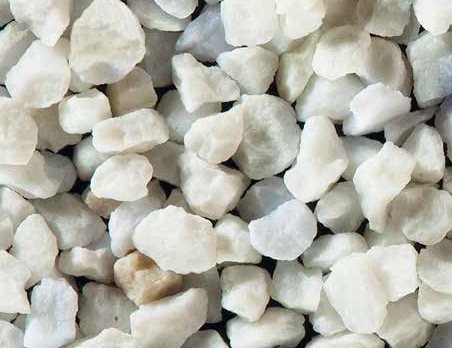
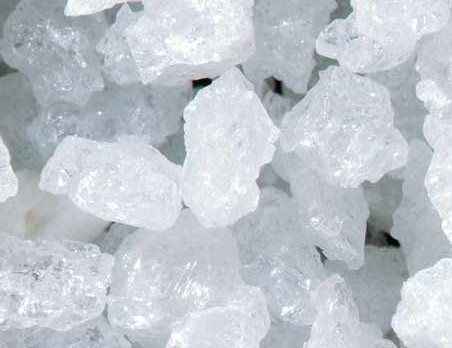
- White aluminium oxide: one of the most common glass blasting abrasives. Its sharp grains give an even, clean matt surface and it can be reused several times in a cabinet.
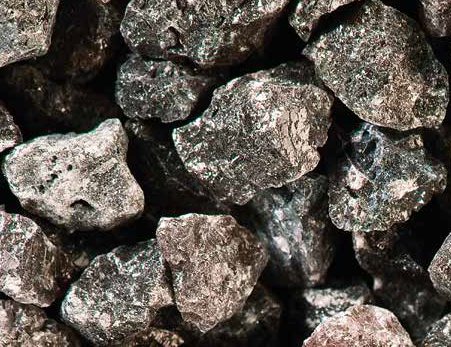
- Black silicon carbide: harder than aluminium oxide, it abrades glass faster. It is preferred for deep carving and stepped engraving.
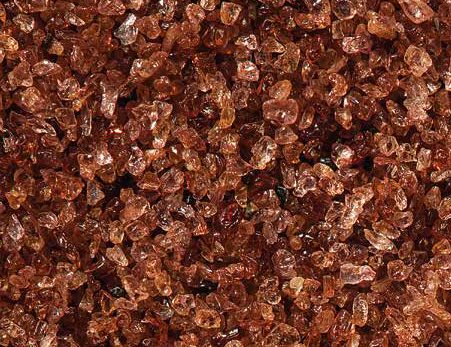
- Garnet: fine garnet gives a softer-toned frost and works with low dust.
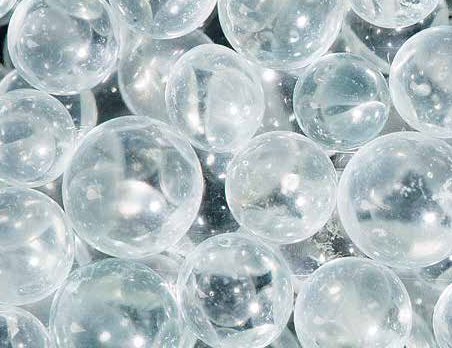
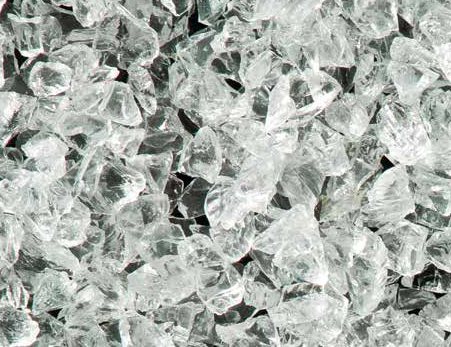
- Glass abrasive: its fine ranges can be used for decorative frosting and privacy work.
We describe silicon carbide in what is silicon carbide and the types of aluminium oxide in white vs brown aluminium oxide.
Grain size determines the look of the frost
On glass, the grain size directly changes the texture of the surface:
- Fine grain: gives a silkier, softer and smoother frosted look. Edges of lettering, logos and fine patterns come out sharper.
- Medium grain: gives a more pronounced frost and faster work; used on large surfaces.
- Coarse grain: leaves a rough texture and abrades the glass quickly; rarely chosen for decorative work, but can be used for the first pass of stepped deep carving.
Different grain sizes or blasting times can be combined to create different tones on the same pane. For the general logic of grain selection, see our grain size selection guide.
Using stencils and masks
In patterned glass blasting, areas that must not be blasted are protected:
- Adhesive blast film: the pattern is cut into the film, applied to the glass and the areas to be blasted are peeled away.
- Ready-made stencils: reusable stencils save time on repeated patterns.
- Film for fine details: special photo-processed blast films can be used for very fine lines and small lettering.
The mask must be thick enough to withstand the impact of the abrasive. Deep carving requires a thicker mask.
On curved surfaces such as bottles and glasses, rotating the part while working makes it easier to get the same tone of frost everywhere. On mirrors the pattern is usually blasted from the front; the edges and back should be protected separately so the backing is not damaged.
Application tips
- Clean the glass of grease and dust before blasting; greasy areas frost differently.
- Keep the nozzle at a constant distance and moving; dwelling on one spot leaves dark patches and deep marks.
- Start with low pressure and test the result on a sample piece of the same glass.
- Consult the glass manufacturer before deep carving tempered or laminated glass.
- Blasting should be done in a cabinet with dust extraction and suitable protective equipment. See safety in abrasive blasting.
Caring for blasted glass
A blasted glass surface is porous and picks up fingerprints, grease and limescale more easily than clear glass. After blasting, clean the surface with clean compressed air and a soft cloth. In areas prone to staining, such as showers and kitchens, stain-protection products suitable for frosted glass can be used. For a general definition of frosted glass and other production methods, see the Wikipedia article on frosted glass.
Frequently asked questions
What powder is used to blast glass?
The most common option is fine white aluminium oxide. Black silicon carbide can be used for faster abrasion and deep carving, and fine garnet or fine glass abrasive for a softer frost.
Can blasted glass be returned to clear?
No. Blasting removes material from the glass surface, so the frost is permanent. Some products can temporarily reduce the frosted look, but the surface does not regain its original clarity. Check the pattern and position carefully before blasting.
Can glass frosting abrasive be reused?
Aluminium oxide and silicon carbide can be recovered and reused several times in a cabinet. Broken fines and glass dust are removed by the separator, and the lost amount should be topped up regularly.
Get a quote for glass frosting abrasive
Tell us what type of glass you work with, the frost tone you want and your cabinet type, and we will choose the right abrasive and grain size together. Browse all products on the products page or fill in the quote form for pricing.