
Aluminium oxide is one of the most commonly used hard abrasives in blasting. It is mostly available in two types: white and brown. Both are very hard, but they differ in purity, toughness, applications and cost. In this article we explain the difference between white and brown aluminium oxide and which one to choose for which job.
What is aluminium oxide?
Aluminium oxide (Al₂O₃) is also known as corundum or fused alumina. The types used for blasting are produced by melting alumina-based raw material in an electric arc furnace, then cooling, crushing and screening it. The purity of the raw material and the production conditions determine the difference between the white and brown types. For general information on its chemistry, see the Wikipedia article on aluminium oxide.
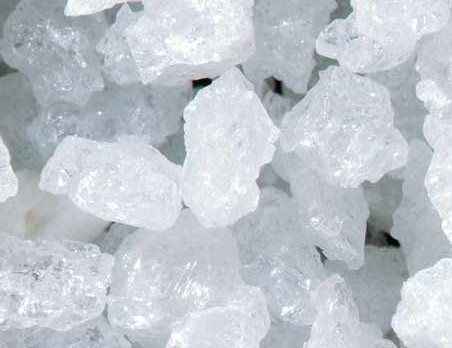
White aluminium oxide
White aluminium oxide is a high-purity product. Because it contains no iron, it is preferred for stainless steel, aluminium and jobs where iron contamination is unacceptable. Its friable structure creates new sharp edges as it is used, giving a clean and sharp profile.
- Hardness: Mohs 9
- Density: 3.9 – 4.1 g/cm³
- Typical use: Stainless and non-ferrous metals, roughening before coating, precision surface treatment, glass and ceramics
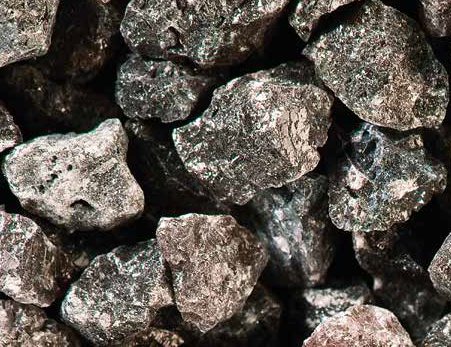
Brown aluminium oxide
Brown aluminium oxide contains trace components such as titanium oxide and is tougher than the white type. This increases impact resistance and makes the grain break down more slowly. It is widely used for heavier work such as steel surface preparation and removing rust and coatings.
- Hardness: Mohs 9
- Density: approximately 3.9 g/cm³
- Typical use: Rust and paint removal, automotive parts, roughening before coating and welding, matting metal surfaces
White vs brown aluminium oxide comparison table
| Property | White | Brown |
|---|---|---|
| Purity | Higher | Lower |
| Hardness | Mohs 9 | Mohs 9 |
| Structure | More friable, sharp edges | Tougher, impact resistant |
| Iron contamination | Iron-free | Contains trace components |
| Typical use | Stainless, aluminium, precision work | Steel surface preparation, heavy cleaning |
| Cost | Usually higher | Usually more economical |
Grit size (FEPA) selection
Both types are specified by FEPA codes. The higher the number, the finer the grain. Some of the ranges on our product pages are:
- F 24 (600 – 850 µm): Heavy abrasion and general surface cleaning
- F 60 (212 – 300 µm): General cleaning and medium roughening
- F 120 (90 – 125 µm): Fine surface treatment
Brown aluminium oxide is also available in coarser grades such as F 08 and finer grades such as F 220. To choose the right range, see our grit size selection guide.
Which one should I choose?
Answering these questions makes the choice easier:
- Is iron contamination a problem on the surface? If yes, white aluminium oxide stands out.
- Is the job heavy rust or coating removal? Brown aluminium oxide may be more suitable.
- How important are cost and reuse? Toughness and price should be assessed together; a tough grain breaks down more slowly.
- Is surface appearance critical? If a uniform, clean matt finish is required, the white type gives more predictable results.
For some applications that need the properties of both, mixed alumina is also an option.
Which type for which application?
| Application | Preferred type | Why? |
|---|---|---|
| Stainless steel and aluminium | White | No risk of iron contamination |
| Thick rust and old paint removal | Brown | Tough grain breaks down more slowly in heavy work |
| Profile before coating and thermal spray | White or brown | Depends on the profile and cleanliness required by the specification |
| Decorative matt finish on glass, stone and ceramics | White | Clean and uniform appearance |
| Automotive part surface preparation | Brown | Balance of cost and durability |
When in doubt, blasting a small sample with each type is the most reliable way to compare both appearance and consumption.
Recovery and cost
Aluminium oxide can be used more than once in suitable cabinets and recovery systems. The number of cycles depends on pressure, surface and recovery set-up. The toughness of the brown type helps the grain last longer in heavy work. For details, read our article on abrasive recovery.
Frequently Asked Questions
Is white aluminium oxide harder than brown?
Both have a hardness of 9 on the Mohs scale. The real difference is in purity and toughness: the white type is purer and more friable, the brown type is tougher.
Can brown aluminium oxide be used on stainless steel?
For stainless work where iron contamination is critical, white aluminium oxide is generally preferred. For non-critical work, decide according to the specification and the expected appearance. For details, see our article on stainless steel blasting.
Which one is more economical?
Brown aluminium oxide is usually less expensive and, thanks to its toughness, offers long life in heavy work. The real cost is found by calculating consumption, labour and reuse together.
Let us choose the right aluminium oxide together
If you share your surface material, the coating to be removed and the system you use, we can determine the right type and grit size together. For the current price and stock information, fill in the quote form.