
In blasting, how dry the abrasive is matters as much as its type. A damp abrasive clumps in the pot, blocks the hose and stops the job. In this post we answer what dry quartz sand is, why moisture is a problem in blasting and how sand should be stored. An important distinction first: "dry sand" means the abrasive contains no moisture; "dry blasting" is the method without water, and with quartz sand it carries a separate health risk.
What is dry quartz sand?
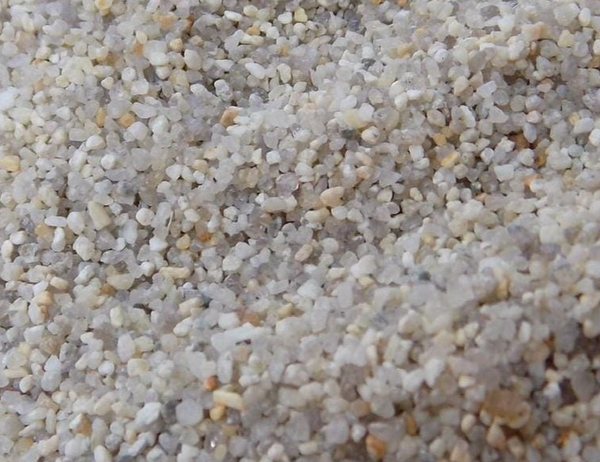
Dry quartz sand is quartz sand whose moisture has been removed by drying and which has been screened. Sand from natural deposits usually holds moisture; after drying and screening it is supplied in packaging that protects it from moisture. The typical values on our quartz sand product page are quartz (SiO₂), Mohs 7 hardness and a density of approx. 2.65 g/cm³.
We describe in detail the conditions under which quartz sand can be used for blasting in quartz sand for blasting.
Why is moisture a problem in blasting?
In dry (compressed-air) blasting systems the abrasive must flow freely from the pot to the metering valve, then through the hose and nozzle. Moisture disrupts this flow in several ways:
- Clumping and bridging: damp grains stick together and form a bridge at the pot outlet, cutting off the flow.
- Blockages: build-up forms in the metering valve, hose and nozzle; the job keeps stopping.
- Uneven flow: the abrasive arrives in bursts, giving uneven cleaning and profile on the surface.
- Moisture on the surface: moisture carried onto steel can encourage rust to start quickly after blasting.
- Losses in recycling: damp abrasive does not separate well from dust in the separator; recovery efficiency drops.
These problems are not unique to quartz sand; every mineral abrasive used in dry blasting must be dry. We have collected other common mistakes in common abrasive blasting mistakes.
Moisture does not only come from sand: compressed air
However dry the sand is, if the air from the compressor is humid, condensation forms in the system and the abrasive gets wet in the hose. That is why it is important to use a water separator and, where needed, a dryer on the compressed-air line, and to drain water from the pot and line regularly. This check matters even more in humid weather and at times of large temperature swings. For an overview of blasting methods, see the Wikipedia article on abrasive blasting.
Dry quartz sand and silica dust
Dry sand is needed for flow, but dry blasting with quartz sand is exactly when the most respirable crystalline silica dust is produced. This dust is associated with serious lung diseases such as silicosis, and blasting with silica-containing abrasives is restricted in many countries. As stated on our product page, quartz sand should only be used in wet blasting systems, dust-controlled enclosed systems and cleaning jobs that need low hardness.
This is general information; consult your occupational safety specialist about exposure and protection, a doctor about any health complaints, and check current regulations. For precautions, see blasting safety.
How should dry abrasive be stored?
- Keep bags in a closed, dry and ventilated area.
- Stack them on pallets, not against walls, so they do not draw moisture from the floor.
- Do not leave them outdoors; rain and dew can carry moisture into the packaging.
- Use an opened bag quickly or close it tightly.
- Do not put damp, clumped abrasive into the pot without drying and screening it.
- Empty the pot at the end of the job; abrasive left inside can absorb moisture overnight and disrupt flow the next day.
Which dry abrasive instead of quartz?
For dry blasting in open areas or without dust control, abrasives with a much lower silica risk are recommended:
- Garnet: common in open areas with low dust and low consumption. Details in what is garnet abrasive.
- Brown fused alumina: cuts fast and can be recovered and reused in a cabinet.
- Glass abrasive: amorphous, contains no free crystalline silica.
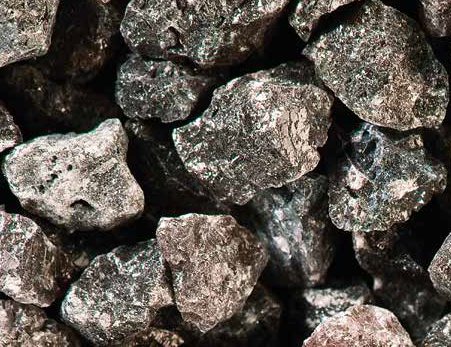
You will find moisture and dust control during recycling in can blasting abrasive be reused, and all options in types of blasting abrasives.
Frequently asked questions
How can I tell if sand is damp?
Damp sand holds its shape when squeezed in the hand, clumps in the bag and pot, and stops while flowing. Abrasive arriving in bursts during blasting and build-up in the hose are also signs of moisture.
Can I dry and reuse sand that has absorbed moisture?
A clean abrasive can be reused after proper drying and screening. Contaminated abrasive with oil or salt should not be used even after drying, because it can carry residue onto the surface.
Is dry blasting with dry quartz sand safe?
Dry blasting with quartz sand produces respirable crystalline silica dust and carries serious health risks. Quartz sand should only be used in wet or dust-controlled enclosed systems, with proper protection and in line with current regulations; alternatives such as garnet or aluminium oxide are recommended for open areas.
Get a quote for a dry, suitable abrasive
Tell us about your blasting system, your working environment and the surface, and we will choose the right abrasive, grain size and packaging together. Browse all products on the products page or fill in the quote form for pricing.