
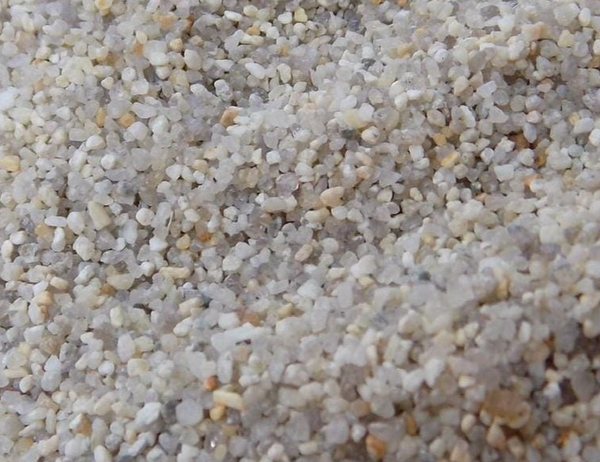
The term "sandblasting" comes from the fact that the method was once carried out with natural sand. Today, however, the use of silica sands such as quartz for blasting is seriously questioned because of the risk of respirable crystalline silica. In this post we answer what quartz sand for blasting is, what risks it carries, under what conditions it can be used and which alternatives are safer.
What is quartz sand?
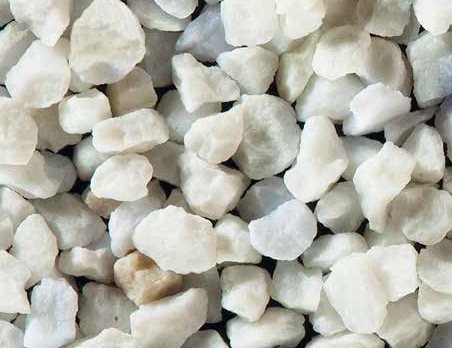
Quartz sand is a natural mineral consisting largely of silicon dioxide (SiO₂). Typical values from our quartz sand product page:
- Material: quartz (SiO₂)
- Hardness: Mohs 7
- Density: ~2.65 g/cm³
- Colour: white, cream or yellowish
Being a natural and widespread mineral makes quartz sand look like a cheap option, but in blasting the real deciding factors are the health risk and consumption.
The respirable crystalline silica risk
Quartz contains silica in crystalline form. During blasting the grains break into very fine dust, and the respirable fraction of this dust can reach deep into the lungs. Long-term exposure is associated with serious, irreversible occupational diseases such as silicosis. For an overview, see the Wikipedia article on silicosis.
For this reason, blasting with silica-containing abrasives is restricted or subject to strict conditions in many countries. Occupational health and safety legislation also places dust-control obligations on employers. If you are considering quartz sand, always check the current legislation and get the opinion of your safety specialist. For general precautions, see our post on safety in abrasive blasting.
Under what conditions can it be used?
The applications listed for quartz sand on our product page are limited:
- Wet blasting systems
- Enclosed systems with dust control
- Cleaning jobs that require low hardness
- Industrial applications other than blasting
For outdoor blasting or jobs without dust control, we recommend the alternatives below instead of quartz sand.
Grain sizes
| Grain size | Application |
|---|---|
| 0.1 – 0.4 mm | Fine work |
| 0.4 – 0.8 mm | General use |
| 0.8 – 1.2 mm | Coarse work |
| 1.2 – 2.0 mm | Heavy work |
Safer alternatives
- Garnet: a common outdoor option with low dust and low consumption.
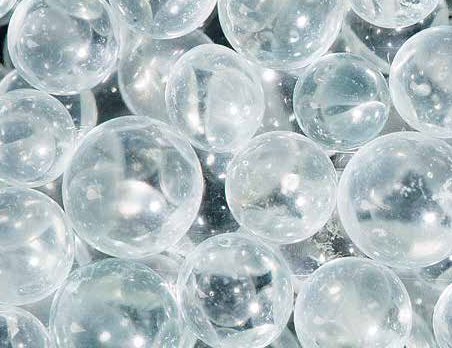
- Glass abrasive: amorphous; it does not contain free crystalline silica like quartz.
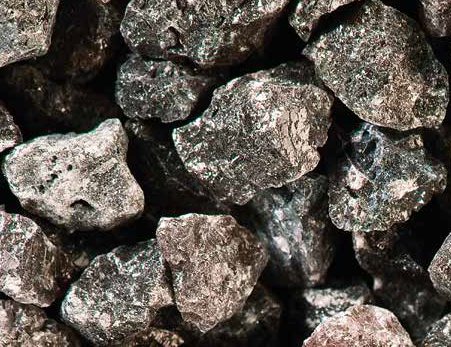
- Aluminium oxide: fast cutting on hard layers and reuse in recycling systems.
- Metallic abrasives: many cycles in cabinets and wheel blast machines.
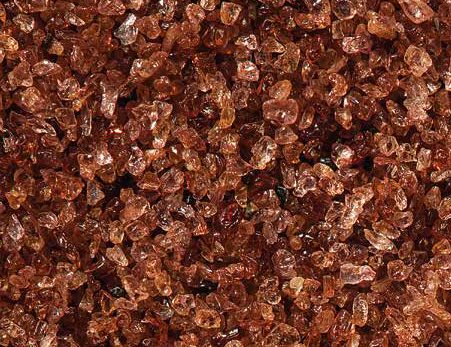
Although alternatives may look more expensive per kilo, they break down less, create less dust and are consumed less per square metre. For a real cost comparison, see our post on blasting abrasive prices.
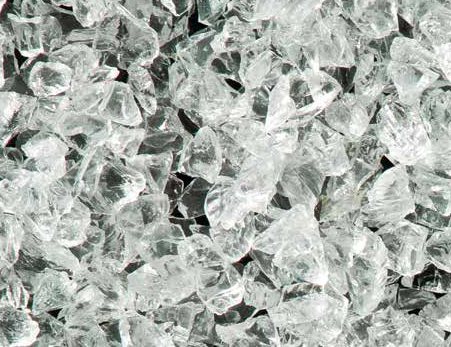
What about river and beach sand?
Unscreened river or beach sand usually increases the risks of quartz sand even further: its composition is unknown, its dust content is high and the salt in beach sand can cause corrosion on the surface. We do not recommend using these materials for blasting.
Frequently asked questions
Is blasting with quartz sand banned?
Rules vary from country to country and are updated over time. In many countries blasting with silica-containing abrasives is restricted or subject to strict conditions. For a definitive answer, check the current legislation and consult your safety specialist.
Is quartz sand safe in wet blasting?
The wet method greatly reduces dust but does not eliminate the risk entirely. Suitable respiratory protection, workplace measurements and an assessment by a safety specialist are still required.
What is most often used instead of quartz sand?
Garnet and aluminium oxide are most common outdoors, glass abrasive for decorative and light work, and metallic abrasives in cabinets and wheel blast machines.
Ask us about a safer abrasive
Tell us about your surface, the environment and your blasting system, and we will choose a suitable and safer abrasive together. Browse all products on the products page or fill in the quote form for pricing.