
The first question many customers ask when requesting a quote for blasting abrasive is "how much per kilo?". Yet comparing two quotes by the price per kilo alone is often misleading: on the same job one material may be consumed at half the rate, another may be reused many times. In this post we explain the 7 key factors behind blasting abrasive prices and how to calculate the real cost. We do not quote fixed prices, because prices change with these factors and with market conditions.
1. Material type
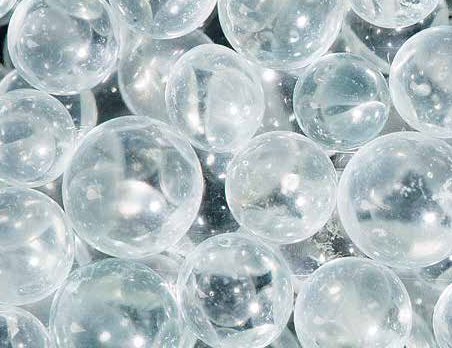
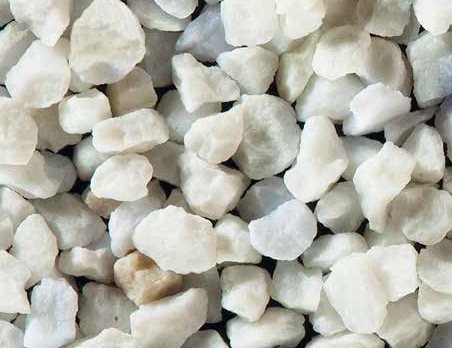
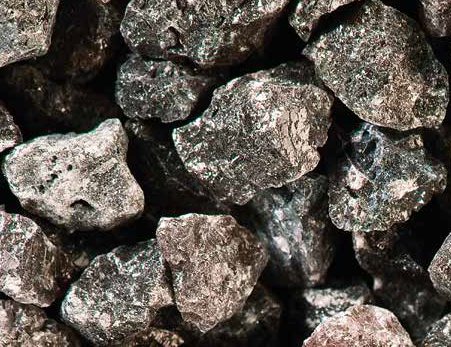
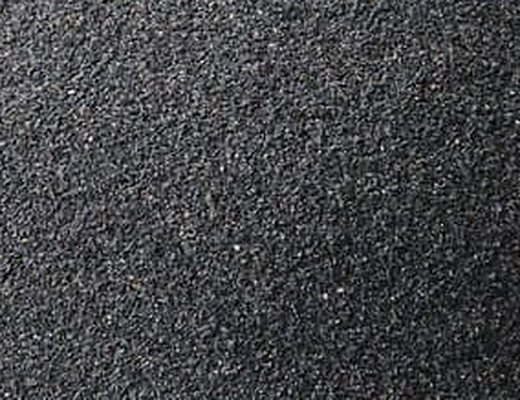
The material itself is the biggest factor. Natural minerals such as quartz or basalt are usually more economical, while aluminium oxide and silicon carbide, produced in electric arc furnaces, cost more because of their production. Metallic abrasives (steel shot, steel grit) may look more expensive per kilo, but they are used for many cycles in recycling systems. Stainless steel abrasives sit in a higher price bracket than carbon steel. For all types and their properties, see types of blasting abrasives.
2. Grain size (mesh or FEPA)
Different grain sizes of the same material may be priced differently. Very fine or special ranges require more screening and classification, which can affect the cost. Choosing the right size also affects cost directly: grains that are too coarse can damage the surface, and grains that are too fine slow the job down. Details are in our post on grain size selection.
3. Purity and quality
Raw material purity, dust and foreign matter content and grain shape consistency are reflected in the price. For example, white aluminium oxide is usually more expensive than the brown type because of its high purity. Low-quality material may look cheap on paper, but it can bring more dust, faster breakdown and a risk of surface contamination.
4. Order quantity
The unit price usually falls as quantity rises. For businesses with regular consumption, planning annual needs in advance and splitting deliveries accordingly brings advantages in both price and stock.
5. Packaging
The packaging the material is delivered in also affects the unit cost. Packaging also determines storage and ease of handling; blasting abrasive must be protected from moisture and kept in a closed, dry place. Ask our sales team about the packaging options available for each product.
6. Freight and delivery location
Blasting abrasive is a heavy load, so freight can be a significant part of the total cost. The delivery address, quantity and vehicle type determine the freight charge. Always check whether freight is included in the quote.
7. Consumption and reuse
The last and often the most important factor in the real cost is how much material is consumed per square metre. Tough, dense materials break down less, create less dust and can be used more than once in a suitable system. Brittle materials may turn into dust on the first pass. We explain the effect of recycling on cost in our post on abrasive recycling.
Cost per square metre instead of price per kilo
The soundest way to compare two quotes is to calculate the total cost per square metre:
- Amount of material consumed per square metre
- How many times the material can be reused
- Labour time (a faster-cutting material lowers the hourly cost)
- Dust collection, cleaning and waste disposal
The most reliable way to do this is to run a short trial on your own job and measure consumption and speed. We worked through this calculation for garnet in our post on garnet abrasive prices.
Why can "cheap sand" end up expensive?
Unscreened natural sands such as river or beach sand look like the cheapest option at first glance. However, they can contain free crystalline silica (for the occupational disease caused by silica dust, see the Wikipedia article on silicosis), create a lot of dust and break down quickly, and the salt in beach sand can cause corrosion on the surface. Details are in our post on safety in abrasive blasting. If quartz sand is used, the conditions on our product page must be followed.
Information to prepare when requesting a quote
- The surface and material to be blasted (steel, stainless, aluminium, concrete…)
- The required result: cleanliness grade, profile or appearance
- The blasting system: pressure, wheel blast, cabinet; is there recycling?
- Estimated quantity and order frequency
- Delivery address
With this information we can recommend the right material and grain size and prepare an accurate quote. For the selection steps, see also how to choose a blasting abrasive.
Frequently asked questions
Why do blasting abrasive prices vary so much?
Because "blasting abrasive" is not a single product. Natural minerals, synthetic abrasives and metallic abrasives differ greatly in production method, purity and service life, and prices vary accordingly.
What is the cheapest blasting abrasive?
The material with the lowest price per kilo is not always the most economical. The total cost is determined by consumption, reuse and labour time, so we recommend comparing on cost per square metre.
Is freight included in the price?
Freight depends on quantity, delivery address and vehicle type. Whether freight is included is stated separately in the quote.
Get a current price for blasting abrasives
You can browse all our products on the products page. Send us your surface, system and required quantity via the quote form, and we will get back to you with the right material and a current price.