
When buying aluminium oxide for blasting, there is one document as important as the technical data: the aluminium oxide SDS (formerly MSDS), the safety data sheet. It brings together the product’s hazards, composition and conditions for safe use and storage in one place. In this post we explain how to read the sheet and which sections a blasting company should check first. This post is general information and does not replace the assessment of an occupational safety specialist.
Are MSDS, SDS and safety data sheet the same thing?
MSDS (Material Safety Data Sheet) is the older, widely used name. Internationally the term SDS (Safety Data Sheet) is used today. All of them serve the same purpose: to give the user of a chemical product the information needed to use it safely. The format and content are aligned with the international system for classifying and labelling chemicals. Check the current regulations for the obligations that apply in your country.
For a general definition, see the Wikipedia article on safety data sheets.
The 16 sections of the sheet
A safety data sheet follows a standard order of 16 sections, so you can compare sheets from different suppliers in the same place:
- 1-3: identification of the product and supplier, hazard identification, composition.
- 4-6: first aid, firefighting and accidental release measures.
- 7-8: handling and storage, exposure controls and personal protection.
- 9-12: physical and chemical properties, stability, toxicological and ecological information.
- 13-16: disposal, transport, regulatory and other information.
Section 2 gives the hazard classification and label elements. Even if the product is not classified as hazardous, the sheet may contain general warnings about dust formation; read these too.
For blasting, not every section carries the same weight. Below we go through the sections that will be most useful to you.
Composition: is there free crystalline silica?
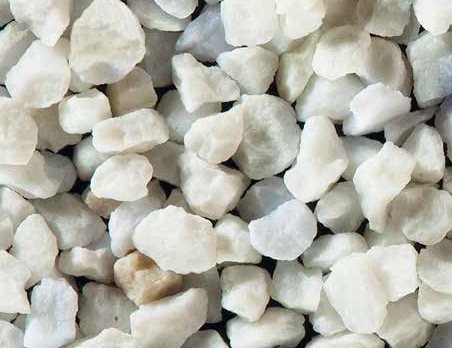
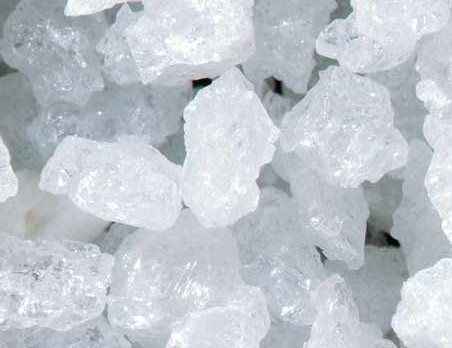
The best-known health risk in blasting comes from free crystalline silica, so check the main component and any silica content in the composition section. Our product pages give a high-purity Al₂O₃ composition for white aluminium oxide, while the composition of brown fused alumina also includes a low proportion of SiO₂. Whether this is free crystalline silica, and how the product is classified, is stated definitively in the safety data sheet.
We covered the general safety picture of aluminium oxide in is aluminium oxide harmful, so we do not repeat it here.
Exposure controls and personal protection
Section 8 is the most practical part of the sheet for a blasting company. Look for:
- Any occupational exposure limits and which dust fraction they apply to.
- Recommended engineering controls: enclosed cabinet, dust extraction, ventilation.
- Recommendations for respiratory, eye, hand and body protection.
- General hygiene measures: cleaning after work, separate eating and drinking areas.
The recommendations in the sheet should be interpreted for your working conditions by an occupational safety specialist. For general measures in blasting, see safety in abrasive blasting.
Physical properties, storage and transport
Section 9 covers appearance, density and solubility; these should be consistent with the technical values on the product page. Section 7 gives storage conditions: abrasives such as aluminium oxide should be kept in a dry, covered place, with packaging protected from moisture. Damp abrasive disrupts flow and lowers blasting quality. Section 14 gives the transport classification.
The sheet only describes the abrasive
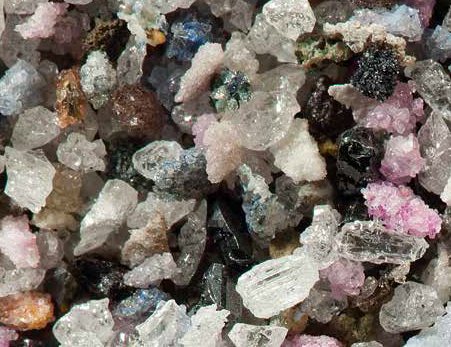
A safety data sheet describes the product itself. In blasting, however, much of the dust in the air comes from the surface being blasted: old paint, coatings, rust or concrete dust. The risk assessment should therefore consider the surface material separately. Old paints, for example, may contain heavy metals, and that will not appear in the abrasive’s sheet.
Ask your supplier for the current sheet for the exact product you buy. Keep it where workers can access it, and get a new one when the product changes.
Frequently asked questions
Is an aluminium oxide MSDS the same as an SDS?
Yes. MSDS is the older, widely used name; SDS is the current international term. Both describe the same document containing the information needed to use the product safely.
Which section of the sheet should I check first?
For a blasting company, section 2 (hazard identification), section 3 (composition) and section 8 (exposure controls and personal protection) are the most practical.
Does the sheet show all the risks of blasting?
No. The sheet only describes the abrasive. Paint, rust or concrete dust removed from the surface must be assessed separately. If you have a health complaint, see a doctor; for workplace measures, consult an occupational safety specialist.
Get a quote for aluminium oxide
Tell us your application and the grain size you need, and we will choose the right type of aluminium oxide together. Browse the products page or use the quote form for prices and document requests.