
To get the efficiency you expect from a blasting machine, you need an abrasive that suits it. A material that works well in a pressure pot can turn to dust quickly in a wheel blast machine, and fine beads that are ideal in a cabinet fall short on thick paint outdoors. In this post we cover choosing the abrasive for blasting machines by machine type, and common flow and moisture problems.
Why does the machine type matter?
Machines deliver the abrasive to the surface in different ways. In pressure systems the grain is carried by compressed air; in wheel blast machines a spinning wheel throws the grains at high speed. Some machines also collect and reuse the abrasive and some do not. These two differences decide which material is suitable both technically and economically. For the difference between pressure and wheel blasting, see pressure vs wheel blasting.
Pressure pot (outdoors)
With portable pressure pots used outdoors, the abrasive is usually not collected. Mineral abrasives with low consumption, little dust and good single-pass efficiency therefore stand out:
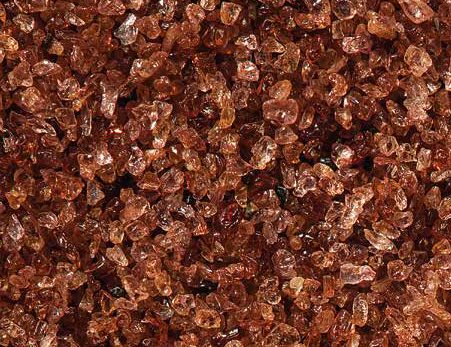
- Garnet: a common choice on ships, tanks and steel structures
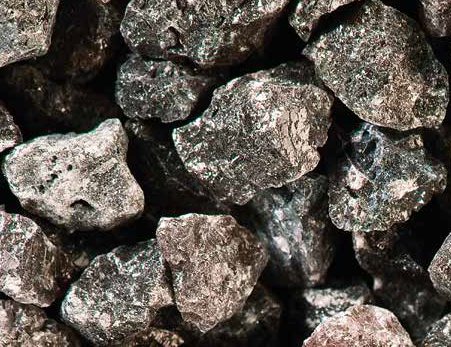
- Brown aluminium oxide: fast cutting on hard layers
- Glass abrasive: for removing paint and dirt, and on concrete and stone
Blast cabinet
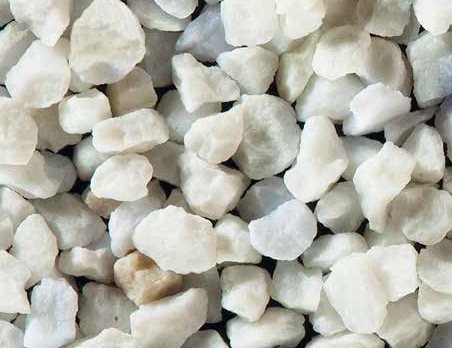
In cabinets the abrasive is collected, passed through a cyclone or separator and reused. Materials that can be reused and break down slowly are therefore economical. Glass beads are common for precision and decorative work, white aluminium oxide where a profile is needed, and plastic granules for paint stripping. Whether the cabinet is suction or pressure-fed also matters: pressure cabinets carry heavier and coarser grains more efficiently.

Wheel blast machines
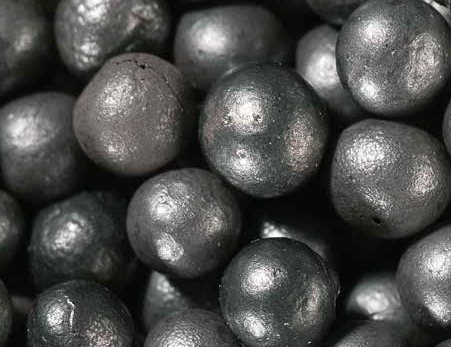
Wheel blast machines throw the abrasive at high speed and use it continuously. Mineral abrasives cannot withstand this impact and break down quickly, so wheel blast machines use metallic abrasives: steel shot, steel grit and cut wire shot. The choice depends on whether cleaning or a profile is required. Details are in our posts what is steel grit and steel shot vs steel grit.
Vacuum (closed-loop) machines
Vacuum systems blast and recover the abrasive in the same head, so the work is done without spreading dust around. These systems favour materials that withstand recycling, such as aluminium oxide or metallic abrasives. Brittle materials that quickly turn to dust overload the separator.
Mistakes that lower machine efficiency
- Damp abrasive or air: causes clumping and blocked hoses. Use an air dryer and store the abrasive in a dry, closed place.
- Grains too coarse for the nozzle: disrupt flow and cause blockages. Choose the grain size to suit the nozzle bore and the machine manufacturer’s recommendation.
- Neglecting the separator: in recycling machines, built-up dust reduces visibility and efficiency. Details are in our post on abrasive recycling.
- Mixing materials: using the same abrasive for carbon steel and stainless in one machine can cause iron contamination.
For a general overview of how the machines work, see the Wikipedia article on abrasive blasting. For other common mistakes, read our post on common blasting mistakes.
Frequently asked questions
Which abrasive is used in a blasting machine?
It depends on the machine. Outdoor pressure pots use garnet, aluminium oxide or glass abrasive; cabinets use glass beads, aluminium oxide or plastic granules; wheel blast machines use steel shot, steel grit and cut wire shot.
Can mineral abrasive be reused in cabinet blasting?
Aluminium oxide, garnet and glass beads can be used more than once with a suitable separator. With brittle materials that quickly turn to dust, the number of reuses falls.
Why does a blasting machine block?
The most common causes are damp abrasive or damp air, grains too coarse for the nozzle and foreign matter in the abrasive. An air dryer, the right grain size and screened filling prevent most of these problems.
Ask us about the right abrasive for your machine
Tell us your machine type, nozzle bore and the surfaces you process, and we will choose the right abrasive and grain size together. Browse all products on the products page or fill in the quote form for pricing.