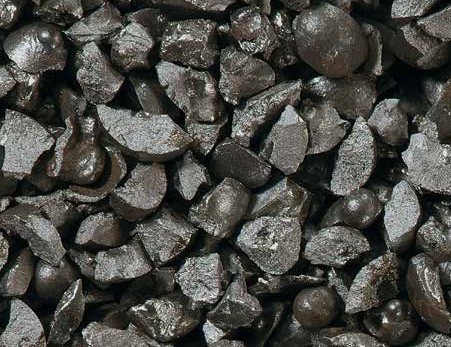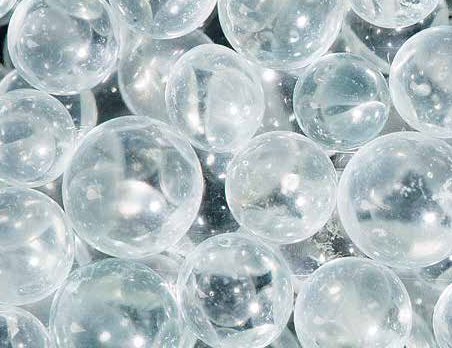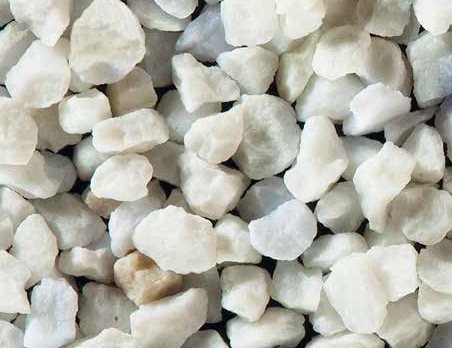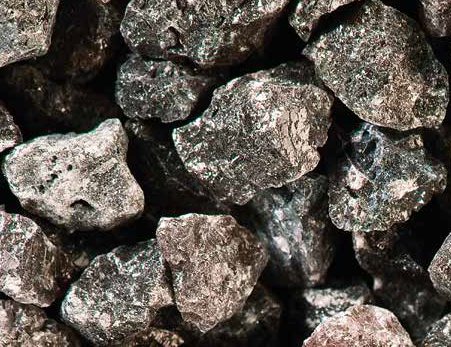

Steel shot is the most common abrasive in wheel blast machines. It cleans moulding sand from castings, scale from forgings and rust from steel surfaces by impact, and when used in a controlled way it also helps increase the fatigue strength of parts such as springs and gears. In this post we answer what is steel shot, how it is made, which properties matter and where it is used.
What is steel shot and how is it made?
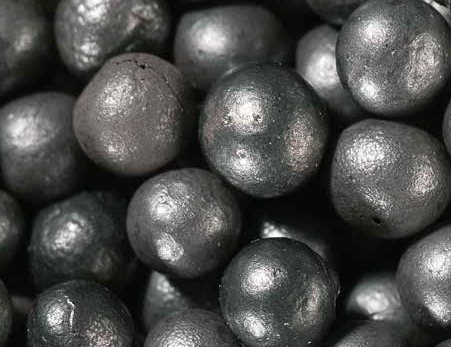
Steel shot is a metallic abrasive with spherical grains. In general, production starts by breaking molten steel into small droplets with water or air (atomisation). The droplets take a spherical shape as they cool. The grains are then heat treated to the required hardness and toughness, screened into sizes, and misshapen grains are removed.
The resulting grains need to meet three expectations: a regular spherical shape, consistent hardness and a narrow size range. These three determine the surface result and the life of the abrasive.
Properties of steel shot
- Spherical shape: a round grain does not cut, it impacts. It cleans by breaking rust, scale and residue, leaving a smoother, rounded surface texture.
- Hardness and toughness: hardness affects cleaning power, toughness how many times a grain can be reused before breaking. The balance between them is chosen to suit the machine and the job.
- Grain size: a coarse grain gives a stronger impact and fast rough cleaning; a fine grain covers the surface more densely and evenly, giving a smoother look.
- Density: steel is heavier than mineral abrasives, so it transfers the energy from the turbine to the surface effectively.
For the difference between steel shot and angular steel grit, see steel shot vs steel grit; for angular abrasive itself, see what is steel grit.
How sizes are designated
Steel shot is usually referred to by codes starting with the letter "S"; the number next to it indicates the grain size, and the larger the number, the coarser the grain. Angular grit is designated with codes starting with "G". The right size depends on the part, the thickness of the residue to remove and the required surface. Rather than a single number, the suitable range for the job should be assessed; we can clarify the right size via our steel shot product page or during the quote process.
Where is steel shot used?
Steel shot is used where an impact action is useful:
- Cleaning castings: adhering moulding sand, core residue and surface oxides on castings are removed with shot.
- Descaling forgings: the scale formed after hot forging and heat treatment is broken off by impact.
- Shot peening springs, gears and shafts: controlled shot impact creates compressive stress below the surface and helps increase fatigue strength. This is a specification-driven, tightly controlled process; see what is shot peening.
- Steel fabrication and plate: for removing rust and mill scale from sections, plate and welded parts, often in a mix with grit.
Most of this work is done in wheel blast machines; for machine types and how they work, see what is shot blasting. For a general overview of blasting methods, the Wikipedia article on abrasive blasting is also a good source.
When is steel shot not the right choice?
Steel shot is not right for every surface:
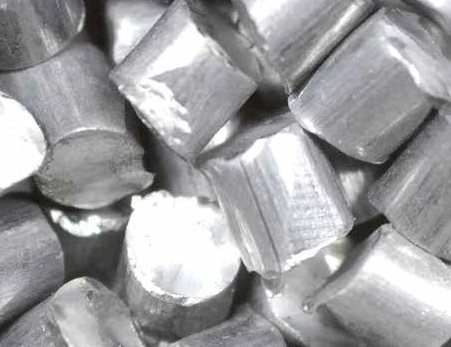
- If a clear, sharp profile is needed before painting or coating, angular steel grit is more suitable.
- On stainless steel and aluminium, carbon steel shot can leave iron residue; stainless steel shot is preferred on these materials.
- On thin sheet and delicate parts, coarse shot can cause distortion; a finer grain or a different abrasive should be considered.
Life, consumption and recycling
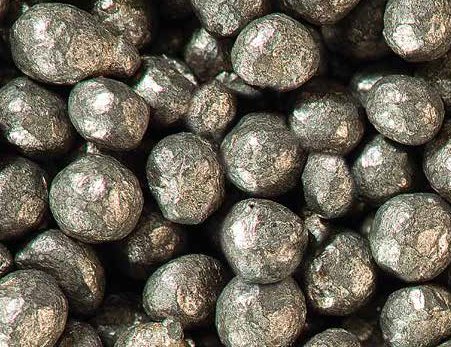
Steel shot is used many times in closed-loop machines. In each cycle some grains wear and break; the separator removes the dust and undersized grains. That is why the consumed amount must be topped up regularly to keep the working mix stable.
The main factors affecting consumption are the hardness-toughness balance of the grain, turbine speed, the nature of the parts and correct separator adjustment. If broken and misshapen grains stay in the system, surface quality drops and machine parts wear faster. We explain the general logic of recycling in can blasting abrasive be reused.
Frequently asked questions
Is steel shot the same as steel balls?
Not exactly. Steel shot is a spherical abrasive made for blasting machines and comes in small, screened sizes; precision steel balls for bearings are a different product. In Turkish both are sometimes called "bilye", which causes confusion.
What surface does steel shot leave after blasting?
Instead of the sharp profile left by angular grit, it leaves a rounder, smoother texture. That is why it is preferred where cleaning and appearance come first; where a clear profile is needed for paint adhesion, grit or a shot-grit mix is used.
Can steel shot be used in pressure blasting?
It can, but its most common use is in wheel blast machines. For pressure systems an enclosed cabinet where the abrasive can be recovered is needed; it is not suitable for single-use open-air work.
Get a quote for steel shot
Tell us your machine type, the parts you process and the surface you expect, and we will choose the right grain size, and a shot-grit mix if needed, together. Browse all products on the products page or fill in the quote form for pricing.