
Shot blasting is a surface cleaning method in which metallic abrasives are thrown at parts at high speed by a spinning turbine wheel. It is one of the most common methods for cleaning castings, forgings and steel fabrications in series. In this post we answer what is shot blasting, how it works, what types of machines exist and which abrasives are used.
How does shot blasting work?
The heart of the system is the turbine (wheel) unit. The abrasive is fed into the centre of the wheel, accelerates along the blades and is thrown at the part by centrifugal force. The used abrasive is collected, carried up by an elevator and passed through a separator. The separator removes dust, broken fines and debris, and reusable grains are sent back to the turbine. Thanks to this closed loop, the same abrasive is used many times.
In pressure blasting, by contrast, the abrasive is carried by compressed air. For a comparison of the two methods, see pressure vs wheel blasting. For a general overview of blasting methods, the Wikipedia article on abrasive blasting is also a good source.
Types of machines
- Hanger machines: parts are hung on hooks, taken into the cabinet and rotated; for medium and large castings and welded parts.
- Tumble belt (drum) machines: small, robust parts are cleaned in batches on a moving belt or in a drum.
- Roller conveyor machines: sheet, sections and steel fabrications are cleaned in a continuous pass on rollers.
- Table machines: parts are processed on a rotating table; suitable for flat and delicate parts.
The machine type is chosen according to the size and shape of the part and the production volume.
Which abrasives are used?
Mineral abrasives cannot withstand the high impact of the turbine, so shot blasting uses metallic abrasives:
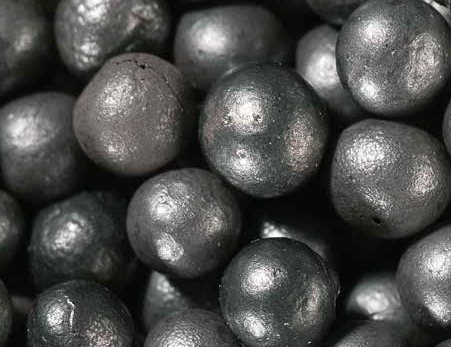
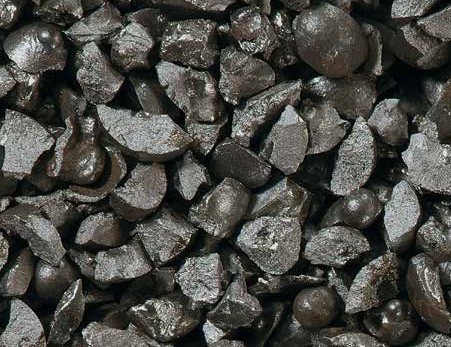
- Steel shot: impact action with round grains; cleaning castings and a smoother surface.
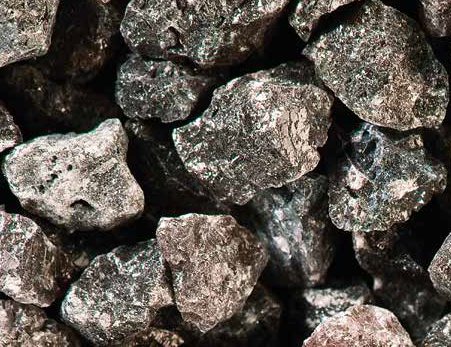
- Steel grit: cutting action with angular grains; a profile before coating.
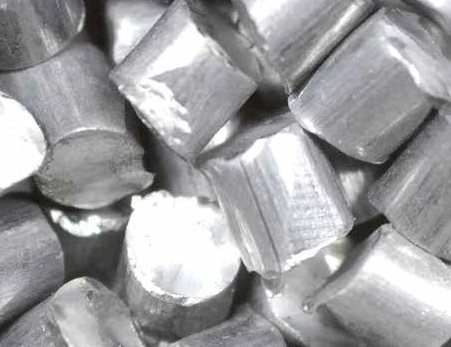
- Cylindrical cut wire shot: long-lasting grains cut from steel wire.
Many machines also use shot and grit as a mix in a set ratio. For details, see steel shot vs steel grit and what is cut wire shot.
Advantages and limitations
- Suited to series production: identical parts are cleaned quickly with consistent quality.
- Low abrasive consumption: closed-loop recycling means the abrasive is used many times.
- Less dust released: the process runs in an enclosed cabinet with dust collection.
- Limitation: the part must fit in the machine; large structures and on-site work need pressure blasting.
- Limitation: carbon steel abrasives can cause iron contamination on stainless steel and aluminium; stainless abrasives should be used on these materials.
Shot blasting vs shot peening
Both processes can be done in similar machines, but their purposes differ. Shot blasting is for cleaning and preparing the surface; shot peening aims to increase the part’s fatigue strength by creating compressive stress below the surface with controlled impacts, and is tightly controlled with parameters such as intensity and coverage. Details are in our post on what is shot peening.
Frequently asked questions
Which shot is used in shot blasting?
Steel shot is preferred for cleaning, steel grit where a profile is needed before coating, and cut wire shot where long life is required. The grain size is chosen according to the part and the required surface.
What is the difference between shot blasting and sandblasting?
In shot blasting the abrasive is thrown by a turbine wheel and recovered in a closed loop; in classic pressure blasting it is sprayed through a nozzle with compressed air. Shot blasting suits series production; pressure blasting suits large structures and on-site work.
How often is abrasive added in shot blasting?
The abrasive breaks down during use and is removed by the separator. To keep the mix consistent, the consumed amount should be topped up regularly; the frequency depends on the machine and production load.
Get a quote for shot blasting abrasives
Tell us your machine type, the parts you process and the surface you need, and we will choose the right abrasive and grain size together. Browse all products on the products page or fill in the quote form for pricing.