
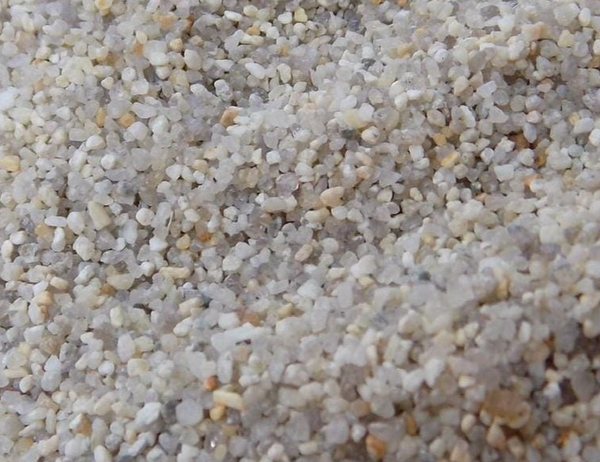
Istanbul is a large market where quartz sand is sought for many purposes, from metalworking shops and shipyards to construction chemicals and water treatment. In this post we explain, for those looking for quartz sand in Istanbul, the grain ranges, when quartz sand can be used for blasting, safer alternatives and the delivery process. Our office is in Ataşehir, Istanbul; you can contact us directly for quotes and technical questions, and we also export to customers abroad.
What is quartz sand needed for in Istanbul?
Quartz sand is a raw material used in very different sectors of the city. The main areas of demand are:
- Non-blasting industrial use: water filtration, mortars and construction chemicals, flooring and filler.
- Blasting in wet or enclosed systems: light cleaning work in dust-controlled cabinets and wet blasting systems.
- Metalworking shops: surface cleaning in workshops in industrial areas such as İkitelli and Dudullu; safer alternatives are often the better choice here.
- Shipyards and steel structures: open-air blasting of large surfaces, where abrasives free of crystalline silica should be preferred.
We cover non-blasting uses in detail in quartz sand uses. For the general properties of the mineral, see the Wikipedia article on quartz.
Grain ranges: fine and coarse quartz sand
The typical grain ranges on our quartz sand product page are:
- 0.1 – 0.4 mm: fine work; what most people mean by fine quartz sand.
- 0.4 – 0.8 mm: general use.
- 0.8 – 1.2 mm: coarse work.
- 1.2 – 2.0 mm: heavy work.
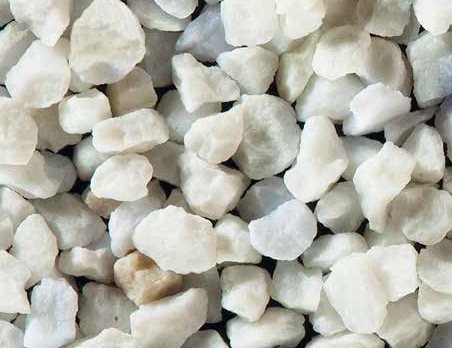
Quartz sand can be white, cream or yellowish; its hardness is Mohs 7 and density about 2.65 g/cm³. If you need a white sand, state your colour and purity expectations in the quote request. We confirm packaging and current grain options with the quote.
Quartz sand in blasting: under which conditions?
Quartz sand contains crystalline silica. In dry blasting the grains break down into respirable crystalline silica dust, which is associated with serious lung diseases such as silicosis, and its use in blasting is restricted in many countries. That is why the blasting uses we list for quartz sand are limited:
- Wet blasting systems
- Dust-controlled enclosed systems
- Cleaning work that needs low hardness
Check the regulations in force and get your safety specialist's opinion before use. Details are in quartz sand for blasting and blasting safety; for how moisture affects flow, see dry quartz sand.
Alternatives for open-air and workshop jobs
For shipyards, steel structures or workshops without dust control, we recommend considering these abrasives instead of quartz sand:
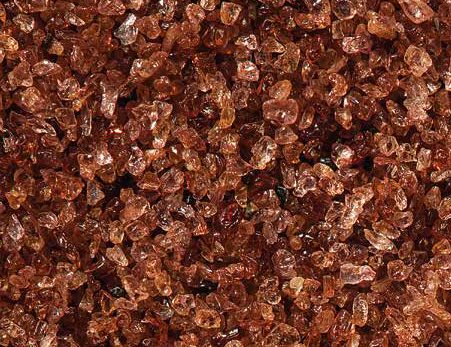
- Garnet: an even surface with low dust; widely used in open air and on steel.
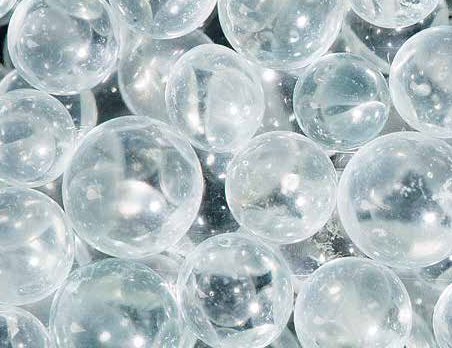
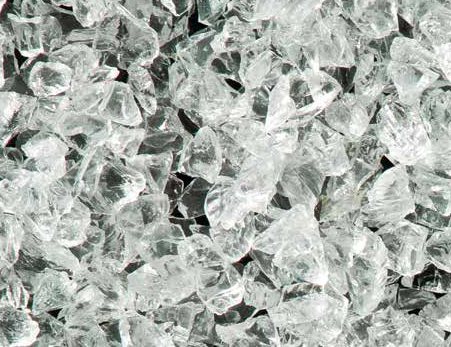
- Glass abrasive: made from recycled glass, amorphous; general cleaning and paint removal.
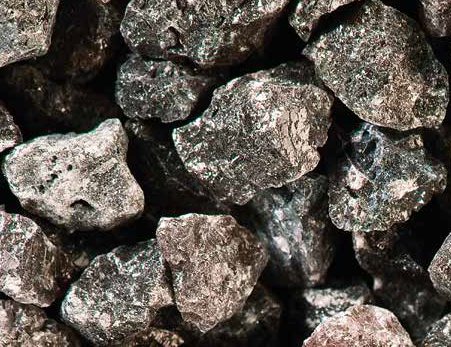
- Brown fused alumina: hard and angular; rust and paint removal, profile before coating, recovery in cabinets.
These alternatives can look more expensive per kilo, but because they break down less and are consumed less per square metre, the total cost can differ. We explain the logic in blasting abrasive prices. For ships and large steel surfaces, see also ship blasting.
Delivery in Istanbul and export
We ship orders by cargo to every district of Istanbul and every part of Turkey. Delivery time depends on the carrier, order quantity and stock status; we confirm it with the quote. We can also export for orders from abroad.
What should a quote request include?
So that we can quickly determine the right product and price, include in the quote form:
- Product: quartz sand or an alternative abrasive
- Grain range (e.g. fine 0.1 – 0.4 mm) and any colour/purity expectations
- Approximate quantity and preferred packaging
- Delivery address (district) or country for export
- Use: filtration, construction, wet blasting or another job
Frequently asked questions
Do you deliver quartz sand to Istanbul?
Yes. We ship orders by cargo to all districts of Istanbul and every part of Turkey. Delivery time depends on the carrier and order quantity and is stated in the quote.
Which grain range is fine quartz sand?
Our product page lists 0.1 – 0.4 mm for fine work. If you need something different, request a quote stating your application.
Can quartz sand be used for open-air blasting?
We do not recommend it. Dry blasting creates respirable crystalline silica dust. In open air, consider abrasives free of crystalline silica such as garnet, glass abrasive or aluminium oxide, and follow the regulations and your safety specialist's advice.
Get a quote for quartz sand and alternatives
Tell us your application, grain range and quantity, and we will choose the right product together. Browse all products on the products page or fill in the quote form for pricing.