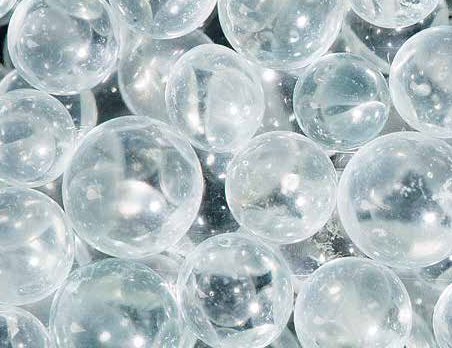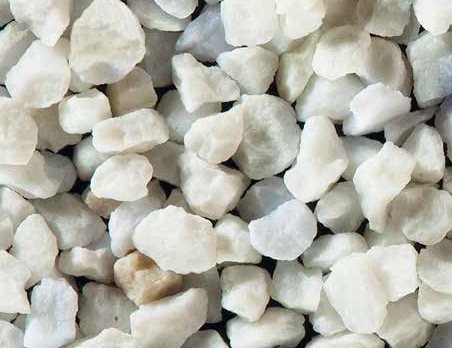

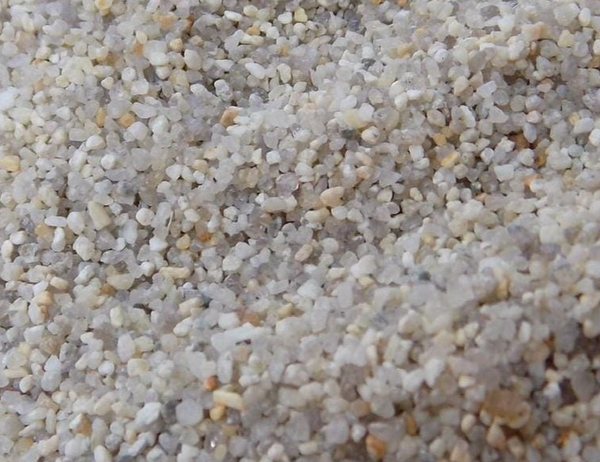
Quartz sand is a natural mineral made largely of silicon dioxide (SiO₂) and one of the most widely used raw materials in industry. It is used in many fields, from glass to foundries and from water treatment to construction. In this post we summarise the uses of quartz sand and explain clearly its place and limits in abrasive blasting.
Properties that make quartz sand valuable
Quartz sand is used in so many fields because it is easy to find and combines several properties. According to the typical values on our product page, quartz sand has a Mohs hardness of 7 and a density of about 2.65 g/cm³; its colour is white, cream or yellowish. Its hardness, heat resistance and chemical stability make it suitable for many processes. For the general properties of the mineral, see the Wikipedia article on quartz.
Our product page gives typical grain ranges for quartz sand: 0.1–0.4 mm for fine work, 0.4–0.8 mm for general use, 0.8–1.2 mm for coarse work and 1.2–2.0 mm for heavy work. For non-blasting applications, the grain range is set by the specification of the sector concerned.
Each application has its own requirements for purity, grain size and moisture, so sands with the same name are prepared differently for different jobs. We explain the difference between the names quartz and silica sand in quartz sand vs silica sand.
Glass and ceramics
Quartz sand is the main raw material in glassmaking. It is used as the silica source in products such as window glass, bottles and container glass. Purity, and especially low levels of colouring impurities, matter here.
In the ceramics sector, quartz is part of body and glaze recipes. Here too, grain distribution and chemical purity directly affect product quality.
Foundry and moulding sand
In foundries, quartz sand is widely used to make moulds and cores. Its resistance to high temperature and its ability to hold shape with binders are the basis of this use. Once castings leave the mould, the sand and scale left on their surfaces are usually removed by shot blasting. That cleaning uses metallic abrasives such as steel shot and steel grit, not quartz.
Water filtration, construction and other fields
- Water filtration: quartz sand in a specific grain range is used as the filter bed in sand filters.
- Construction: it is used as filler and aggregate in mortar, plaster, ready-mixed building chemicals and floor applications.
- Chemicals and fillers: it can be used as a mineral filler in paints and similar products.
- Landscaping and sports grounds: it is preferred in some surface and pitch applications.
Each of these fields requires material to its own technical specification. If you are looking for quartz sand for a non-blasting application, tell us the grain range and quality requirements you need; you can ask our sales team for the product data sheet.
Quartz sand in blasting: under what conditions?
The name “sandblasting” comes from the method once being done with natural sand. However, quartz sand contains crystalline silica and creates respirable crystalline silica dust in dry blasting. This dust is associated with serious lung diseases such as silicosis, and its use in blasting is restricted in many countries. That is why the blasting uses we list for quartz sand on our product page are limited:
- Wet blasting systems
- Enclosed systems with dust control
- Cleaning jobs that require low hardness
Before using it, always check the regulations in force and get the opinion of your occupational safety specialist. Details are in quartz sand for blasting and safety in abrasive blasting. We explain how moisture affects blasting in dry quartz sand.
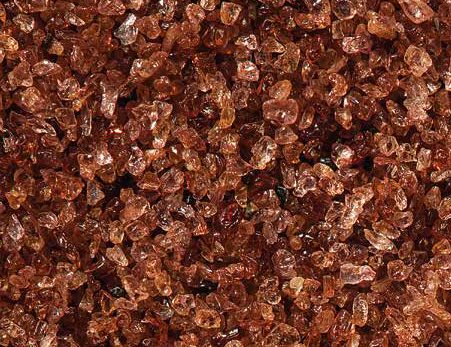
Safer alternatives for blasting
For open-air blasting or jobs without dust control, we recommend abrasives that contain no crystalline silica:
- Garnet: low dust and an even surface; steel and general surface preparation.
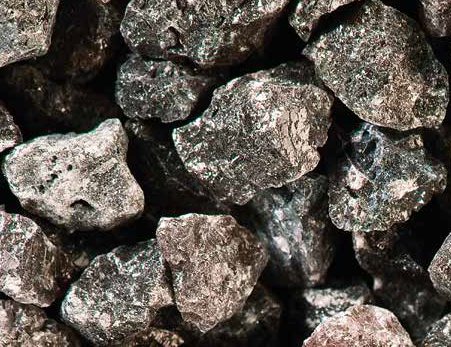
- Brown fused alumina: hard and angular; rust and paint removal, profile before coating.
- Glass abrasive: made from recycled glass; general cleaning and paint removal.
- Steel grit: long service life in cabinets and wheel blast machines.
Frequently asked questions
Where is quartz sand used most?
Quartz sand is widely used above all in glassmaking, and also in foundry moulds and cores, water filtration, construction products and ceramics. Each field requires a different purity and grain size.
Is quartz sand used in blasting?
It can be, but only in wet or dust-controlled enclosed systems and for jobs requiring low hardness. Because dry blasting creates respirable crystalline silica dust, the regulations in force and the opinion of an occupational safety specialist must be considered.
What can be used instead of quartz sand for blasting?
Garnet, aluminium oxide, glass abrasive and metallic abrasives are alternatives that contain no crystalline silica. The choice depends on the surface and the required result.
Get a quote for quartz sand and alternatives
Tell us your application, grain range and quantity, and we will choose the right product together. Browse all products on the products page or fill in the quote form for pricing.