
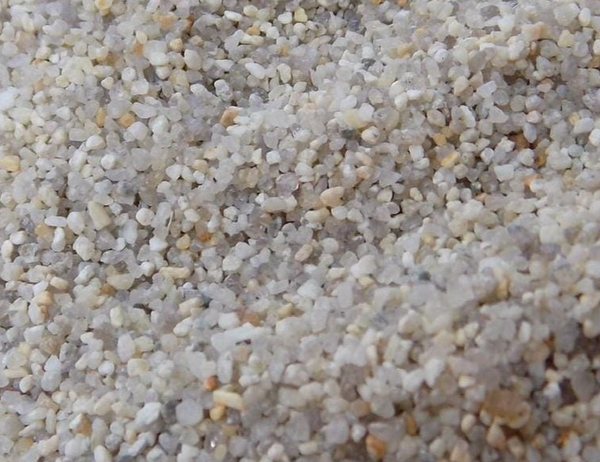
When looking for a blasting abrasive, the names "quartz sand" and "silica sand" often appear side by side; some sellers use them for the same product, others for different ones. In this post we explain the difference between quartz sand and silica sand in plain language and answer which one to choose for blasting. The short answer: chemically they are very similar, and in blasting they carry the same health risk.
What is quartz sand?
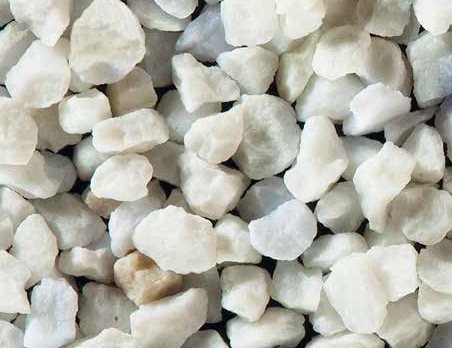
Quartz is the crystalline form of silicon dioxide (SiO₂) and one of the most common minerals in the Earth’s crust. Quartz sand is made of grains of this mineral. The typical values on our quartz sand product page are:
- Material: quartz (SiO₂)
- Hardness: Mohs 7
- Density: approx. 2.65 g/cm³
- Colour: white, cream or yellowish
Quartz sand can be obtained by screening natural sand deposits or by crushing and screening quartz rock. For general information on silicon dioxide, see the Wikipedia article on silicon dioxide.
What is silica sand?
"Silica" means silicon dioxide. Silica sand is a general trade name for sands with a high silica content, and their grains consist largely of quartz. The same name is used in industries such as glass, foundry, construction and filtration.
So in most cases silica sand is a sand made of quartz grains. That is why the two terms are often used interchangeably on the market.
Where is the real difference?
The differences between the two names come more from source, processing and trade usage than from chemistry:
- Naming: "quartz sand" highlights the mineral, "silica sand" the chemical composition. The same product can be sold under either name.
- Origin and grain shape: sand produced by crushing rock is usually more angular; sand from natural deposits can be more rounded.
- Purity: the silica content and impurities such as clay and iron vary with the source and the washing and screening process.
- Grain range and moisture: depending on the use, it can be supplied in different screen ranges, dried or moist.
So it is better to look at the technical data sheet than the product name: composition, grain range, grain shape and moisture make the real comparison.
In uses other than blasting, such as foundry, glassmaking or filtration, these differences can be more significant; those industries use their own specifications for silica content, grain shape and grain distribution. In blasting, what really matters is how the resulting dust and silica risk are managed.
Is there a health difference in blasting?
No, there is no meaningful difference between the two names in this respect. Both contain crystalline silica. During blasting the grains break into very fine dust, and the respirable fraction can reach the lungs; long-term exposure is associated with serious occupational diseases such as silicosis. That is why blasting with silica-containing abrasives is restricted or tightly regulated in many countries.
This is general information; consult your occupational safety specialist about exposure and protection, a doctor about any health complaints, and check current regulations. Details are in our post on blasting safety and silica dust.
Which one should you choose for blasting?
Rather than choosing between quartz sand and silica sand, it is more useful to decide whether the job should be done with a silica-containing abrasive at all. The uses we list for quartz sand on our product page are limited:
- Wet blasting systems
- Dust-controlled enclosed systems
- Cleaning jobs that need low hardness
- Industrial uses other than blasting
For open areas or jobs without dust control, abrasives with no silica or a much lower free crystalline silica risk are recommended:
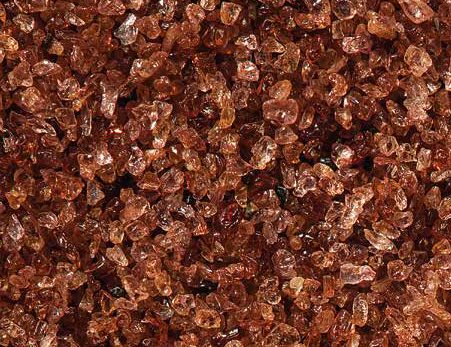
- Garnet: a common choice in open areas with low dust and low consumption. Details in what is garnet abrasive.
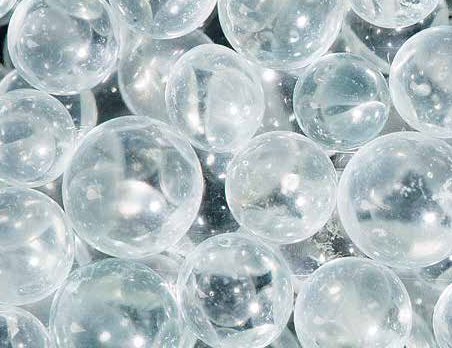
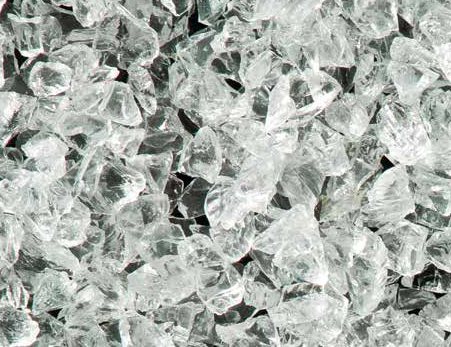
- Glass abrasive: amorphous; it contains no free crystalline silica like quartz does.
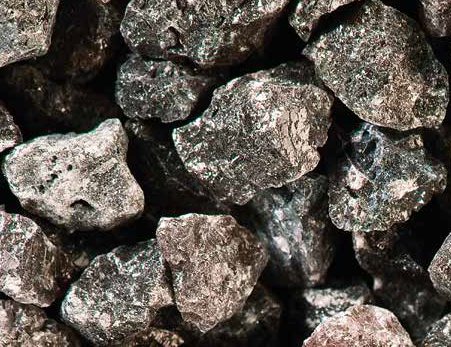
- Brown fused alumina: fast cutting on hard layers and reuse in recycling systems.
You can find the conditions of use for quartz sand in quartz sand for blasting and a comparison of all abrasives in types of blasting abrasives.
Frequently asked questions
Are silica sand and quartz sand the same thing?
In most cases they refer largely to the same material: silica sand is a sand whose grains are mainly quartz. Differences are usually in origin, grain shape, purity and screen range; check the technical data sheet to compare.
Can silica sand be used for blasting?
Silica sand also contains crystalline silica, so it carries the same risks as quartz sand. Its use in blasting is restricted in many countries; if you are considering it, check current regulations and ask your occupational safety specialist.
What is most often used instead of quartz and silica sand?
In open areas garnet and aluminium oxide are used most often, glass abrasive for decorative and light work, and metallic abrasives in cabinets and wheel blast machines.
Let us choose a suitable abrasive together
Tell us about the surface you will blast, the environment and your equipment, and we will choose a suitable abrasive to use instead of quartz or silica sand. Browse all products on the products page or fill in the quote form for pricing.