

Ship surfaces are exposed to harsh conditions such as seawater, salt and constant humidity. For a coating system to last, surface preparation is one of the most critical steps in the maintenance process. Requirements may vary with the area of the ship, the coating system and classification society rules. In this article we explain the main points to watch in ship blasting and shipyard surface preparation.
What does surface preparation include?
- Removing oil, grease and dirt
- Removing old coating, rust and mill scale
- Rounding sharp edges and dressing welds
- Controlling salt, dust and moisture
- Planning prompt coating after blasting
Which areas of a ship are blasted?
Each area has different conditions and coating requirements:
- Underwater hull: Constantly exposed to seawater; a sound surface is needed for anti-corrosive and antifouling coating systems.
- Boot top and topsides: High corrosion risk due to wet-dry cycles.
- Deck: Mechanical wear and non-slip coating requirements stand out.
- Ballast tanks: Enclosed, humid and hard-to-access spaces; special standards may apply for coating life. For general information on ballast tanks, see the Wikipedia article on ballast tanks.
Cleanliness grades and specifications
Steel cleanliness is mostly specified using ISO 8501-1 grades. Sa 2½ is a common requirement for many marine coatings. Special performance standards such as IMO PSPC may also apply to ballast tanks of new ships. The exact value should be confirmed with the coating manufacturer and the project specification. We explain cleanliness grades in detail in our Sa 2, Sa 2½ and Sa 3 guide.
Why is salt control important?
Soluble salts left on the surface are invisible, but they can draw moisture under the coating and cause blistering and early corrosion. Methods in the ISO 8502 series can be used for chloride measurements. Fresh water washing should be planned when necessary.
Environmental conditions
Humidity, temperature and dew point should be monitored continuously in the shipyard. A steel surface temperature at least 3 °C above the dew point is a commonly used requirement in practice. If blasted areas start to rust before they can be coated, re-blasting may be needed. We also explain the effect of environmental conditions on paint in our article on blasting before painting.
Abrasive selection
| Material | Assessment |
|---|---|
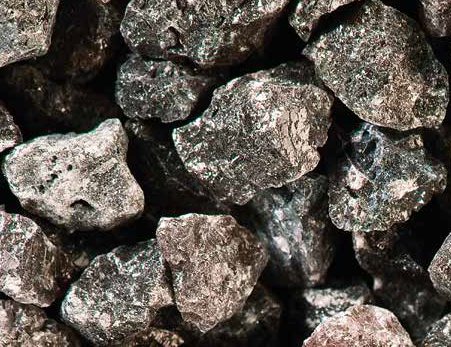
| Slag grit | Considered for open-air and maintenance work |
| Garnet | Considered where high density and low dust are expected |
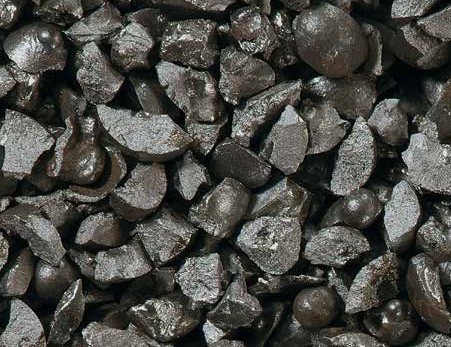
| Steel grit | Considered for workshop and enclosed work with recovery |
Shipyard rules and environmental conditions also affect the choice. Some abrasives may be subject to dust, waste and recovery restrictions. Garnet stands out in open-air work for low dust and high productivity; details in our article what is garnet abrasive.

In workshop jobs such as block fabrication, steel grit with recovery systems can be an economical option.
Safety and environment
Shipyard blasting is usually carried out in the open air, at height or in enclosed tanks. Respiratory protection, fall protection, confined space permits and dust control are integral parts of the job. Used abrasive and removed paint waste must be collected and disposed of in accordance with regulations according to their content. For general precautions, see our article on safety in abrasive blasting.
Quality records
Surface cleanliness, profile, salt, dust and environmental measurements should be recorded. These records are important for both quality control and warranty processes. A typical set of records includes:
- Cleanliness grade with photographic documentation
- Profile measurements (together with the measurement method)
- Soluble salt and dust tests
- Air temperature, relative humidity, surface temperature and dew point
Frequently Asked Questions
Which cleanliness grade is required for ship blasting?
Sa 2½ is a common requirement for many marine coatings; however, the exact value is determined by the coating manufacturer's specification and the area of the ship.
Why is fresh water washing done before ship blasting?
It is done to reduce soluble salts on the surface. If salts remain under the coating, they can draw moisture and cause blistering and early corrosion.
Which abrasive is most used in shipyards?
The choice depends on the location of the work and the possibility of recovery. Garnet and slag grit are often considered for open-air work, and steel grit for workshops with recovery.
Request a quote for ship and shipyard projects
For a blasting service or an abrasive quote for your ship and shipyard projects, fill in the quote form.