
When people hear "aluminium oxide powder", most picture a very fine, flour-like material. In blasting and surface finishing, however, the term usually means aluminium oxide in fine and very fine grit sizes. In this post we explain what aluminium oxide powder covers, the difference between macro and micro grits, where it is used and what to watch when working with fine powder.
What does aluminium oxide powder mean?
Two different products are sold under the name "aluminium oxide powder":
- Fine-grained aluminium oxide as an abrasive: a hard, angular material used in blasting, lapping, polishing and the production of abrasive papers. This is the subject of this post.
- Calcined alumina and similar raw materials: powders used as raw materials in the ceramics, refractory and chemical industries. They are not produced as abrasives and are not chosen for blasting.
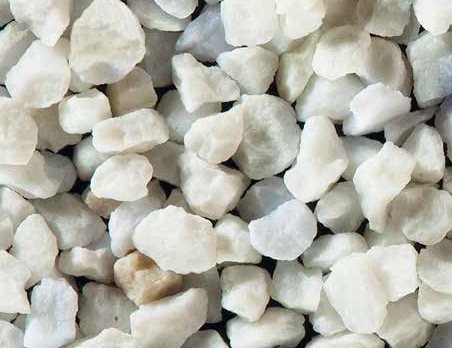
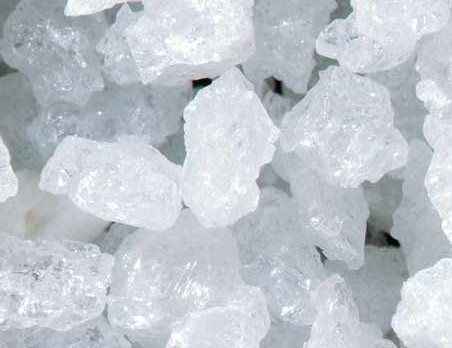
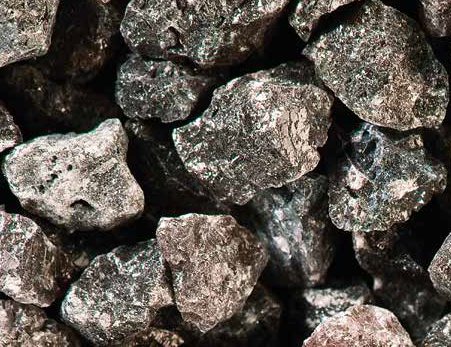
The grades used in blasting are white aluminium oxide and brown fused alumina. We explain the difference in white vs brown aluminium oxide.
Macro grits vs micro grits
Abrasive grit sizes are defined by FEPA standards, and the larger the number, the finer the grain. The system has two main groups:
- Macro grits (F4 – F220): grains that can be separated by sieving. This is the range most used in blasting.
- Micro grits (F230 and finer): grains too fine to be separated by sieving. Their size is measured by other methods, and this is usually what people mean by "powder".
In the tables on our product pages, the finest example is F220 (45 – 75 µm) for brown fused alumina. For jobs that need a finer grain, simply tell us what you need. We explain the general logic of FEPA and mesh in our grain size selection guide.
Where is fine aluminium oxide used?
- Micro and precision blasting: controlled surface treatment of small parts, fine details and tight areas. Our product page also lists precision surface treatment of medical devices for white aluminium oxide.
- Matting: a fine, even matt look on glass, metal and ceramic surfaces.
- Lapping: very precise finishing of a surface by using a fine abrasive in a liquid or paste between two surfaces. For a general definition, see the Wikipedia article on lapping.
- Polishing: as the final-stage abrasive in polishing pastes and suspensions.
- Abrasive papers and grinding products: in the production of fine-grit papers and grinding products.
You can find the other uses of aluminium oxide together in aluminium oxide uses.
What to watch when blasting with fine powder
- Suitable equipment: very fine grains can cause flow problems in standard cabinets. Micro blasting units and small-bore nozzles are designed for this work.
- Dry air: fine powder readily absorbs moisture and clumps. Dry compressed air is important for steady flow.
- Low pressure and testing: fine grains are for delicate work; start at low pressure and check the result on a small sample.
- Recovery: fine grains get smaller with use and pass into the dust collector. Recovery can be lower than with coarse grains.
Storage and dust safety
Store fine aluminium oxide in closed packaging, in a dry place away from moisture. Close opened bags and do not place the product directly on the floor or on damp ground.
The finer the grain, the more dust stays airborne. Aluminium oxide contains no free crystalline silica; even so, fine dust should not be inhaled, work should be done in an enclosed cabinet with dust extraction and suitable respiratory protection should be used. We cover general precautions in safety in abrasive blasting; always read the product’s safety data sheet as well.
Does a finer grain always give a better result?
No. A fine grain gives a smoother, more even surface but cleans more slowly and falls short on thick rust, mill scale or paint layers. When a clear profile is needed before coating, aluminium oxide in the macro grit range is usually the better choice. Very fine grains suit delicate parts, fine details and jobs where appearance comes first. Some jobs use a coarse grain for cleaning and then a fine grain for the final finish, combining speed and appearance.
Frequently asked questions
Is aluminium oxide powder the same as blasting grit?
The material is the same; the difference is the grain size. Blasting mostly uses macro grits, while "powder" usually means very fine and micro grit sizes. Raw-material powders such as calcined alumina are not produced as abrasives.
Which grain size counts as powder?
There is no strict limit. In the FEPA system, F230 and finer belong to the micro grit group and are generally called powder. We can decide the size you need together, based on your job.
What machine is aluminium oxide powder used in?
Micro blasting units and precision cabinets with small nozzles suit very fine grains. In standard pressure pots very fine powder can cause flow problems; we also recommend consulting your equipment manufacturer.
Get a quote for fine aluminium oxide
Tell us your job, your equipment and the surface you need, and we will choose the right grade and grain size together. Browse all products on the products page or fill in the quote form for pricing.