
One of the terms you often meet when looking for a blasting abrasive is corundum. It is used sometimes as the name of a mineral, sometimes as a product name and sometimes as a synonym for aluminium oxide. In this post we answer what is corundum, how natural corundum differs from fused alumina, and which corundum types are used in blasting.
What is corundum?
Corundum is the naturally occurring crystalline mineral of aluminium oxide (Al₂O₃). It is a very hard mineral and is the reference mineral for 9 on the Mohs hardness scale; among natural minerals it is one of the hardest after diamond. For the general properties of the mineral, see the Wikipedia article on corundum.
Pure corundum is colourless. Trace elements give it colour: the red, chromium-bearing variety is ruby, and other colours are known as sapphire. In other words, the ruby and sapphire used in jewellery are chemically the same material as the aluminium oxide used in blasting; the difference is purity, crystal structure and purpose.
Natural corundum and emery
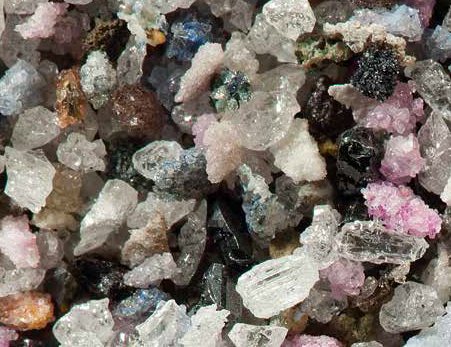
Natural corundum was used as an abrasive for many years. The natural rock in which corundum occurs mixed with iron minerals such as magnetite is known as emery and was historically used for polishing and grinding. However, the composition and grain structure of material from natural deposits vary from place to place, making it hard to achieve the consistent quality industry needs.
That is why most of the corundum used today in blasting, sandpaper and grinding products is not natural but synthetic.
What is fused alumina (electrocorundum)?
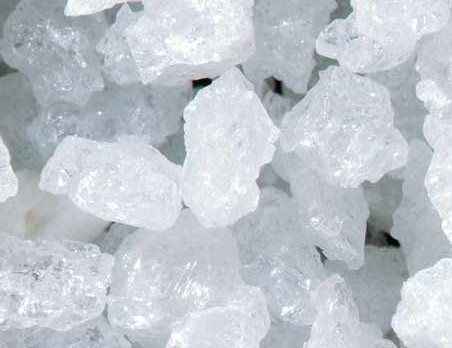
Fused alumina, or electrocorundum, is synthetic corundum made by fusing aluminium oxide raw materials in an electric arc furnace and letting them solidify. The cooled mass has the same crystal structure as natural corundum; the blocks are then crushed, cleaned and sieved to FEPA grit numbers. In the trade, fused aluminium oxide, electrocorundum or simply corundum usually describe the same product group.
- Consistent composition: because raw material and process are controlled, batches are similar.
- Adjustable purity: white grade is made from pure alumina, brown grade from bauxite.
- Controlled grain size: crushing and sieving give the required grit number.
Corundum types used in blasting
When corundum is mentioned in blasting, it usually means the following products:
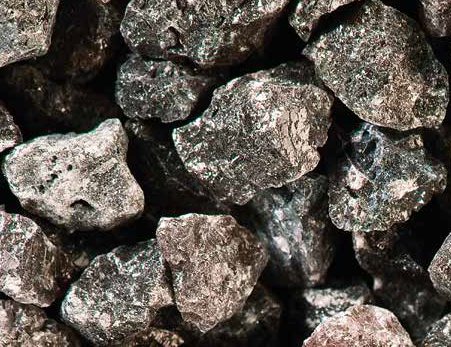
- Brown aluminium oxide: made by fusing bauxite and anthracite. Its tough structure makes it common for rust and paint removal and profiling before coating.
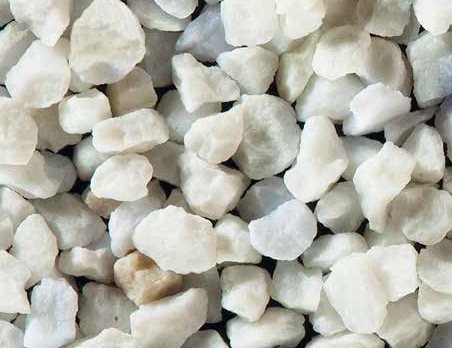
- White aluminium oxide: our product page gives its composition as more than 99% Al₂O₃. Being iron-free, it is preferred on stainless steel, aluminium and sensitive surfaces.
- Mixed alumina: combines different aluminium oxide grades and is used for general-purpose blasting.
We compare the two main grades in white vs brown aluminium oxide and cover the industries that use them in aluminium oxide uses.
Advantages of corundum in blasting
- Hardness: our product pages give Mohs 9; it cuts effectively on steel and cast iron.
- Angular grain: sharp edges after crushing create a profile for paint and coating adhesion.
- Recycling: it can be reused several times in closed cabinets.
- No crystalline silica in the grain: it is among the options for those who want to reduce crystalline silica risks in blasting; dust control and personal protective equipment are still always needed.
You can read how hardness affects blasting in aluminium oxide hardness and a general comparison with other abrasives in types of blasting abrasives.
When buying corundum, look not only at the grade name but also at the technical data. The micron range of the grit number, the chemical composition, the dust content and whether the grain is delivered dry all directly affect the blasting result. Asking the supplier for the product data sheet and the safety data sheet is also a good way to get consistent material across batches.
Do not confuse corundum with garnet
Garnet is also a natural mineral used in blasting, but it is not the same material as corundum. Garnet is a silicate mineral obtained from natural sands; corundum is aluminium oxide, and the corundum used in blasting is mostly synthetic. Details on garnet are in what is garnet abrasive.
Frequently asked questions
Are corundum and aluminium oxide the same thing?
Chemically, yes: corundum is the crystalline mineral of aluminium oxide. In blasting, corundum or electrocorundum usually refers to fused aluminium oxide products, that is, white and brown aluminium oxide.
Is fused alumina natural?
No. Fused alumina is a synthetic abrasive made by fusing aluminium oxide raw materials in an electric arc furnace, then crushing and sieving them. Its crystal structure is the same as natural corundum.
Which corundum type should I choose for blasting?
Brown aluminium oxide is common for general rust and paint removal, and white aluminium oxide for stainless steel and aluminium where iron contamination must be avoided. The choice depends on the surface, the equipment and the profile you need.
Get a quote for corundum
Tell us your application and surface, and we will choose the right corundum type and grit number together. Browse all products on the products page or fill in the quote form for pricing.