
Soda blasting is a cleaning method in which sodium bicarbonate (baking soda) is sprayed onto a surface with compressed air. Because it removes layers such as paint, dirt and soot while barely touching the base material, it is often mentioned for delicate surfaces. But it is not the answer to every job. In this post we look impartially at how soda blasting works, where it is useful and which jobs call for abrasive blasting instead.
How does soda blasting work?
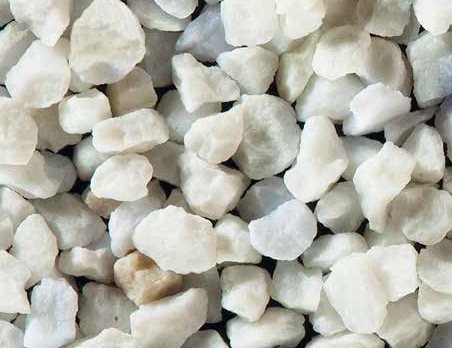
When sodium bicarbonate grains hit the surface they shatter and loosen the top layer by impact. Because the grain is very soft, it can work on metal, glass or wood without leaving noticeable marks. The shattered grains cannot be reused, so soda is single-use and creates a fine dust cloud. That is why it is usually used with water or with dust control.
For a general definition of the method, see the Wikipedia article on soda blasting.
Strengths of soda blasting
- Gentle on the base material: suitable for removing paint or dirt from thin sheet, aluminium, glass and some wooden surfaces.
- Cuts no profile: an advantage where cleaning is needed without changing the surface texture.
- Generates no heat: no risk of heat distortion on thin parts.
- Water-soluble: the residue can be washed away.
Where is soda blasting used?
Soda blasting stands out in jobs where protecting the base surface matters more than cleaning speed. Commonly cited applications include:
- Soot and smoke cleaning after fires
- Graffiti removal from walls and facades
- Paint stripping on classic car bodies and thin sheet
- Light cleaning of wood and stone surfaces
- Removing grease and dirt from machinery and equipment surfaces
What these jobs have in common is that the surface texture must be preserved and no profile is needed for painting afterwards. If a profile is needed before painting or the layer is very tenacious, soda alone may not be enough, and the job usually moves to abrasive blasting. We cover abrasive choice for wood in wood blasting abrasive and for car bodies in car blasting abrasive.
Limitations: what soda cannot do
The main limitation of soda blasting comes from the same place as its strength: the soft grain struggles with tough, hard layers.
- It does not remove rust and mill scale effectively. Where full cleanliness grades are required on steel, it falls short.
- It creates no anchor profile for paint. Most industrial coating systems require a certain roughness; soda does not provide it.
- It leaves residue and needs rinsing. Bicarbonate left on the surface can impair paint adhesion; the surface must be washed thoroughly before painting.
- It cannot be recycled. Fresh material is used on every job and the amount of waste is high.
- Environmental effects must be considered. Precautions are needed to keep rinse water away from plants and soil.
When soda, when abrasive?
The deciding question is this: do you only want to clean the surface, or prepare it for a new coating?
- Light cleaning on a delicate surface: soda or plastic media can be considered. Plastic media is recovered in the cabinet and produces less waste in continuous work; see plastic media blasting.
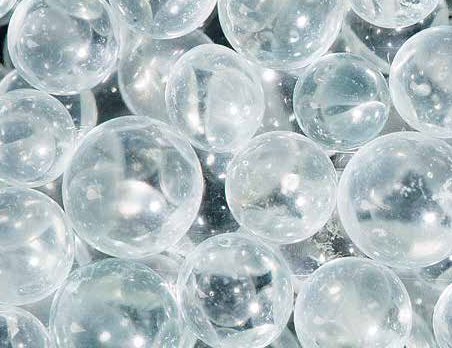
- Cleaning metal with a satin look: glass beads clean without cutting a profile and give an even appearance.
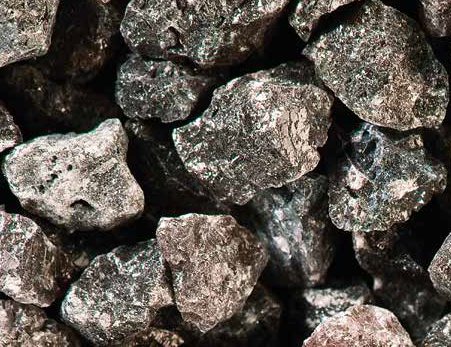
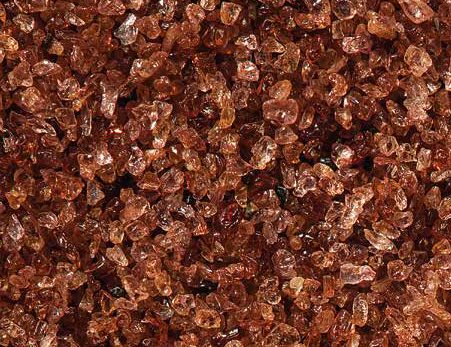
- Rust and old paint, then repainting: angular abrasives such as garnet or brown fused alumina both clean and create the profile the paint needs to grip.
We explain why preparation before painting needs a profile in why blasting before painting matters.
Cost and workflow compared
Material price alone is not the right measure. Because soda is single-use, consumption is high, and the rinsing and drying step adds to the job time. With recyclable abrasives the material circulates several times in the cabinet and the surface is ready for paint right after blasting. Which method is more efficient for your job depends on the surface type and the workload together. For an overview of abrasive types, see types of blasting abrasives.
Frequently asked questions
Does soda blasting remove rust?
It can remove light dirt and loose layers, but it does not effectively remove adherent rust and mill scale. On rusty steel, angular abrasives such as garnet or aluminium oxide are more suitable.
Can you paint directly after soda blasting?
Bicarbonate residue left on the surface can impair paint adhesion, so the surface must be washed and dried thoroughly. Also, since soda creates no profile, check the roughness requirement of your coating system.
Which abrasive can be used instead of soda?
For gentle cleaning of the base material, plastic media or glass beads; where a profile is needed before painting, garnet or aluminium oxide. These abrasives can be recovered and reused in a cabinet.
Let us choose the right abrasive for your surface
Tell us about the job you are considering soda blasting for, the surface type and the next step (paint, varnish, direct use), and we will choose the right abrasive and grain size together. Browse all products on the products page or fill in the quote form for pricing.