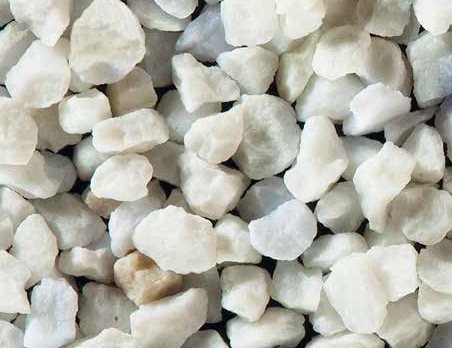

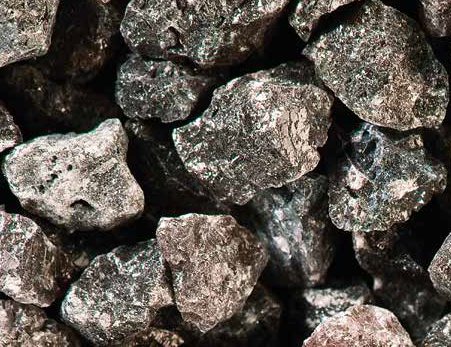
Rusty iron and steel surfaces are among the most common blasting jobs. But "abrasive for rusty steel" is not a single product: the right choice depends on the rust grade, the working environment and the system used. In this post we explain the criteria for choosing an abrasive for rusty steel and how to protect the surface after blasting.
Start with the rust grade
The ISO 8501-1 standard classifies steel surfaces before blasting by their initial rust grade from A to D: A describes a surface covered in mill scale with little rust; D describes a surface where the mill scale has fully rusted away and pitting is clearly visible. As rust deepens and pitting increases, hard, angular abrasives that can clean down to the bottom of the pits are needed. For the target cleanliness grade, see Sa 2, Sa 2½ and Sa 3.
Rusty steel outdoors
On site jobs such as bridges, tanks, ships and steel structures, the abrasive is usually not collected. The leading options are:
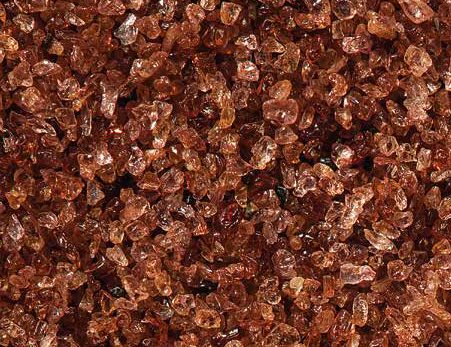
- Garnet: rust and paint removal with low dust and low consumption; a common choice on large surfaces.
- Brown aluminium oxide: fast cutting through thick rust and mill scale with hard, angular grains.
- Glass abrasive: an economical option for light rust and paint; slow on thick mill scale.
Rusty parts in cabinets and wheel blast machines
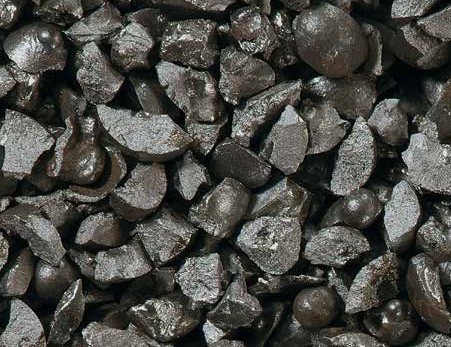
For rusty parts processed in a cabinet or wheel blast machine in the workshop, the abrasive is recycled. Metallic abrasives are the most economical option here: angular steel grit removes rust and creates a profile for paint, while steel shot is used to clean castings and forgings. Details are in our post what is steel grit.
If you will paint, do not forget the profile
Rusty iron is often painted after blasting. In that case removing the rust is not enough; the right surface profile is also needed for the paint to adhere. Angular abrasives (garnet, aluminium oxide, steel grit) create this profile. The larger the grain, the deeper the profile; choose according to the value required by the paint manufacturer. Details are in our posts blasting before painting and grain size selection.
What to do after blasting
- Remove the dust: clean dust and abrasive residue from the surface with clean, dry air.
- Paint quickly: freshly blasted steel can rust again quickly in humid air. Keep the time between blasting and painting short.
- Watch humidity: make sure the surface temperature is sufficiently above the dew point.
- Treat salty environments separately: on coastal structures, soluble salts on the surface can cause corrosion under the paint.
For the general mechanism of corrosion, see the Wikipedia article on corrosion. For common mistakes, read our post on common blasting mistakes.
Frequently asked questions
What is the best abrasive for rusty iron?
There is no single best material. Garnet or brown aluminium oxide are common outdoors, and steel grit in cabinets and wheel blast machines. The rust grade, environment and paint specification decide the choice.
Can rusty iron be blasted with river sand?
It is not recommended. Unscreened natural sand can contain free crystalline silica, creates a lot of dust and breaks down quickly. Details are in our post on quartz sand for blasting.
Why does blasted iron rust straight away?
Freshly blasted steel is very reactive; in humid air or when the surface temperature is close to the dew point, rust can form quickly. That is why the time between blasting and painting should be short.
Let us choose the right abrasive for your rusty surface
Tell us the rust condition of the surface, the working environment and your blasting system, and we will choose the right abrasive and grain size together. Browse all products on the products page or fill in the quote form for pricing.