
Copper is a soft, easily formed metal widely used in electrical busbars, connectors, decorative products and industrial parts. That softness is both an advantage and a risk in blasting: the wrong abrasive and high pressure can leave deep marks, distort thin parts and cause iron contamination. In this post we explain how to choose the abrasive and pressure for copper blasting and what to watch out for.
What is the goal of blasting copper?
Copper parts are blasted for different reasons, and the right abrasive depends on the goal:
- Removing oxide and tarnish: the dark oxide layer and stains that form over time are removed.
- Preparing for coating, soldering or bonding: the surface is cleaned and given a light profile to improve adhesion.
- Appearance work: decorative parts get an even matt or satin finish.
- Stripping old paint and coatings: the old layer is removed while abrading the base metal as little as possible.
For the general properties of copper, see the Wikipedia article on copper.
Which abrasive suits copper?
Because copper is soft, hard and coarse abrasives can embed in the surface and leave deeper marks than needed. That is why controlled abrasives come first on copper:
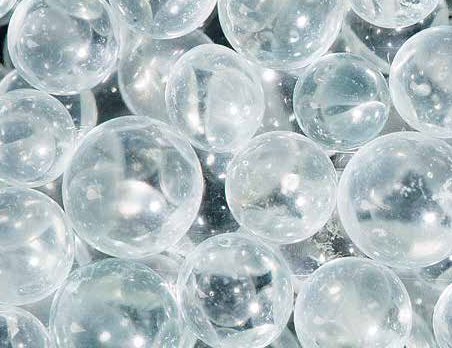
- Glass beads: the round grains clean without cutting a profile and give an even satin look; suited to decorative parts and oxide removal.
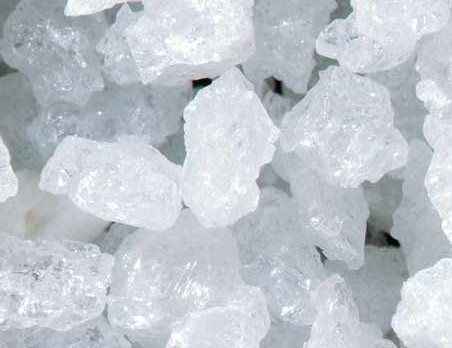
- White aluminium oxide: with a fine grain it cuts a controlled profile before coating, soldering or bonding, and contains no iron.
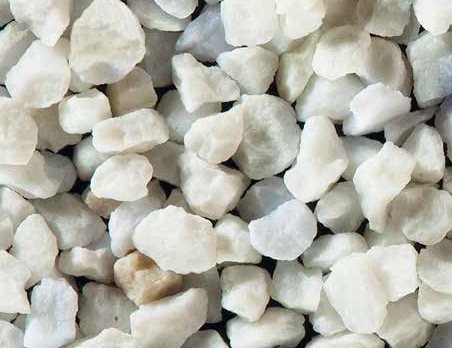
- Plastic media: strips paint and coatings without noticeably abrading the base metal; suited to thin, delicate copper parts.
Watch out for iron contamination
Steel shot, steel grit or abrasive previously used on steel can leave iron particles on copper. These particles can cause stains on the surface, problems under coatings and a poor appearance. For copper work, use an iron-free abrasive, keep it separate from steel jobs and clean the cabinet. The same principle applies to aluminium and stainless steel; see how to blast aluminium and blasting stainless steel.
Pressure and grain size
There is no single "correct pressure" for copper; it depends on the abrasive, the part thickness and the required surface. Starting low and testing on a hidden area or a sample is the safest approach. On thin sheet and tube, keeping the nozzle on one spot can distort the part and heat it up; keep the nozzle moving and the angle and distance constant.
Medium and fine grain ranges are usually preferred for copper. A coarse grain leaves deep marks on the soft surface and makes later polishing harder. We explain the general logic in our grain size selection guide.
Protecting against tarnish after blasting
Blasting fully exposes the copper surface. Clean copper starts to tarnish and stain quickly when it meets air and moisture, so the steps after blasting matter as much as the blasting itself:
- Blow the surface free of dust with clean compressed air.
- Do not touch the blasted surface with bare hands; fingerprints and grease can leave lasting marks. Wear clean gloves.
- If the part will be coated, soldered, bonded or lacquered, continue without long delays.
- On decorative parts, consider a suitable lacquer or protective coating to preserve the look.
Electrical busbars and technical parts
On copper busbars and connectors, blasting can be used for oxide removal or preparation before plating. However, electrical contact surfaces, toleranced areas and threads should be protected, and whether these surfaces may be blasted should follow the relevant technical specification and the manufacturer’s recommendations. We explain how surface preparation affects coating life in why blasting before painting matters.
Safety
Copper blasting should be done in a cabinet or an area with proper dust extraction, using a blast helmet, gloves and protective clothing. Abrasives containing silica should not be used; see safety in abrasive blasting.
Frequently asked questions
What abrasive is used for blasting copper?
Glass beads are preferred for a satin look and oxide removal, fine white aluminium oxide for a profile before coating, soldering or bonding, and plastic media for stripping paint from delicate parts.
Why does blasted copper tarnish so quickly?
Blasting removes the oxide layer and exposes clean metal, which oxidises quickly in contact with air and moisture. That is why a coating, lacquer or protective layer should be applied soon after blasting.
Can steel grit be used on copper?
It is generally not recommended. Steel grit can cut deep marks into soft copper and leave iron particles that cause stains on the surface.
Get a quote for copper blasting abrasives
Tell us the type and thickness of the copper parts you process and the surface you need, and we will choose the right abrasive and grain size together. Browse all products on the products page or fill in the quote form for pricing.