
Brass is a copper-zinc alloy widely used in fittings, valves, door handles, lighting and decorative hardware. On these parts, blasting is mostly about appearance: an even matt or satin finish, or a clean base before plating such as chrome or nickel. Brass is softer than steel, so the wrong abrasive and high pressure leave marks and waves instead of the finish you want. In this post we explain how to choose an abrasive for brass blasting and what to watch for.
Why does brass need separate attention?
Brass is an easily machined alloy with a warm, bright colour. Its hardness and colour vary with its composition; for the general properties of the alloy, see the Wikipedia article on brass. Three points matter for blasting:
- Soft surface: hard, coarse grains leave deep marks and can round off fine details such as edges and lettering.
- Visible result: brass parts are usually on display, so even small differences in tone show.
- Prone to discolouration: bare blasted brass darkens over time with air and handling.
Purposes of blasting brass
- Removing mould marks, oxide and dirt from cast and forged brass parts
- An even matt or satin finish on decorative parts
- Surface preparation before chrome, nickel or other plating
- Stripping old lacquer, paint or coatings
- Patterned surfaces combining bright and matt areas (with masking)
As the purpose changes, so does the abrasive; the most common mistake is starting a cosmetic job with a hard abrasive suited to coating preparation.
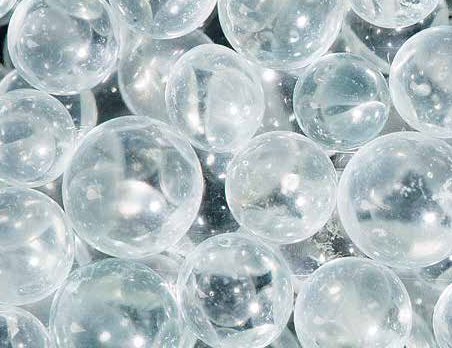
Matt and satin finish: glass beads
For a decorative result on brass, the first choice is glass beads. Their round grains clean the surface by peening rather than cutting, leaving a silky satin finish that diffuses light without creating a profile. They preserve detail and remove almost no material.
A finer bead gives a softer, lighter satin; a coarser bead gives a more pronounced matt look. We explain the general approach in surface finishing with glass beads.
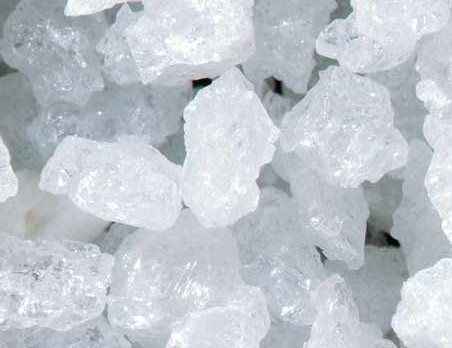
Preparing for plating: fine white aluminium oxide
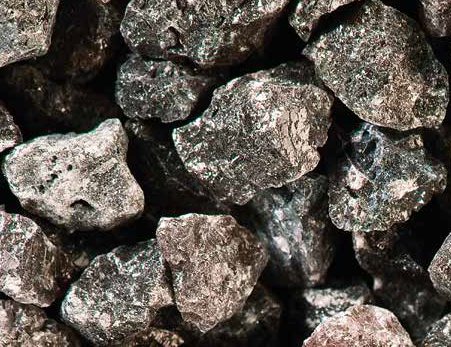
If a brass part is to be plated or painted, a light profile may be needed for adhesion. Fine white aluminium oxide is used here: its angular grains cut a controlled profile, and since it contains no iron it leaves no iron particles on the surface.
For electroplating, the surface must be completely free of dust and grease after blasting; agree on the finish you want with your plater beforehand. On visible parts, start with a fine grain and low pressure.
Watch out for iron contamination
Steel grit, steel shot or abrasive previously used on steel can leave iron particles on brass. These particles later appear as rust spots and cause problems especially under lacquer or plating. Keeping separate abrasive for brass and other non-ferrous metals and cleaning the cabinet is the safest approach. The same principle applies to stainless steel; see blasting stainless steel.
Pressure, grain size and testing
There is no single correct pressure for brass; it depends on the abrasive, the wall thickness of the part and the finish you want. Starting low and testing on a hidden surface or a sample of the same material is the safest approach. Keep the nozzle moving at a constant distance and angle; dwelling on one spot creates tone differences. The general logic of grain selection is in our grain size selection guide.
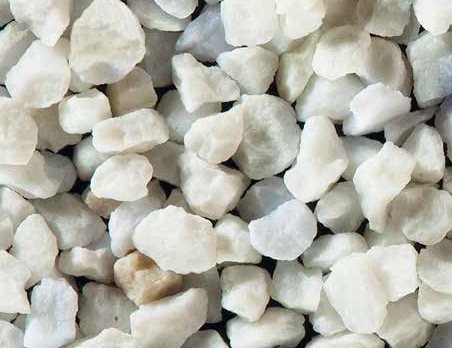
If old lacquer or paint must be stripped while protecting the surface below, plastic media can be considered; it removes the coating without noticeably abrading the base metal.
After blasting: fingerprints, tarnish and lacquer
A blasted brass surface is very clean and open, which makes it sensitive to contamination and discolouration:
- Blow the part clean of dust with clean compressed air.
- Do not touch it with bare hands; wear clean gloves. Fingerprints later show up as dark marks.
- If the finish is to be kept, apply a clear lacquer or a suitable protective coating without long delays.
- Store parts awaiting plating in a dry, clean place.
Blasting should be done in a cabinet with proper dust extraction; since some brass alloys may contain lead, protective equipment against dust should be used. Abrasives containing silica should not be used; see safety in abrasive blasting.
Frequently asked questions
What abrasive is used for blasting brass?
Glass beads are used for matt and satin finishes, fine white aluminium oxide for a light profile before plating, and plastic media for stripping old lacquer or paint. Steel abrasives are not recommended because of iron contamination.
Why does blasted brass darken?
Blasting removes oxide and dirt and exposes bare metal. That surface reacts over time with air, moisture and handling and darkens. To keep the look, apply a clear lacquer or a suitable protective coating soon after blasting.
Does blasting change the dimensions of a brass part?
Blasting with glass beads or fine grain at low pressure removes very little material. Threads, sealing faces and close-tolerance areas should still be protected with tape or plugs.
Get a quote for brass blasting abrasives
Tell us about the parts you process, the finish you want and whether the part will be plated, and we will choose the right abrasive and grain size together. Browse all products on the products page or fill in the quote form for pricing.