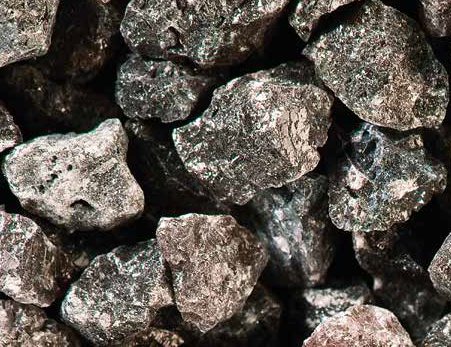

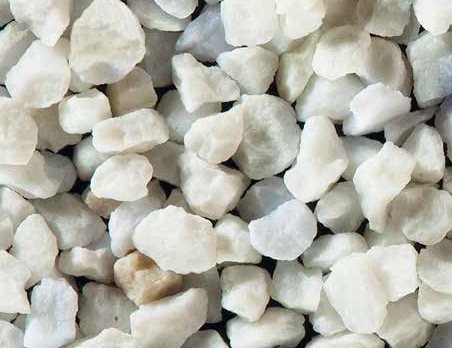
Walnut shell blasting is a soft blasting method that uses crushed and graded walnut shells as the abrasive. Because it is an organic, biodegradable material, it is often mentioned for delicate parts and restoration work. In this post we look impartially at where walnut shell blasting is useful, what its limitations are and how it compares with alternatives such as plastic media.
What is walnut shell abrasive?
Walnut shells are crushed, ground and graded by grain size. The resulting grains are much softer than mineral abrasives; they loosen dirt, carbon deposits, paint and oil residue without leaving noticeable marks on the base material. In general classifications of blasting methods, walnut shell is listed with soft media such as plastic and corncob; see the Wikipedia article on abrasive blasting.
We explain the general logic of soft abrasives in plastic media blasting; here we focus only on points specific to walnut shell.
Where is walnut shell blasting used?
- Cleaning carbon and dirt from engine parts and small mechanical parts
- Removing residue from moulds without damaging the surface
- Light cleaning of wood, stone and historic building surfaces
- Removing paint and dirt from soft metals such as aluminium and brass
- Cleaning and polishing jewellery and small parts by tumbling
What these jobs have in common is that the dimensions and texture of the surface must be preserved. You can find other options for mould cleaning in mould cleaning abrasive and the choice for wood in wood blasting abrasive.
Limitations: moisture, dust and consistency
- It absorbs moisture: as an organic material it can clump in humid conditions and may deteriorate if it stays damp for long; store it in a dry, closed place.
- It breaks down and creates dust: the grains get smaller in use, the number of reuses is limited and dust must be removed regularly by the separator.
- Organic dust build-up: accumulated organic dust can be combustible; clean the cabinet and dust collector regularly.
- Allergy: exposure to this dust is a risk for people with a walnut allergy; in that case choose another abrasive and consult a doctor if in doubt.
- Batch variation: as a natural material, grain structure and cleanliness can vary from batch to batch.
- Rust and profile: it does not remove adherent rust or mill scale and cuts no profile for paint.
Points to watch in use
Getting good results from a soft abrasive depends on the right settings and the condition of the material. Use dry, clean material and check the cabinet and separator regularly. Start at a low pressure and test on a hidden area of the part; if the result is not enough, change distance and angle first, then pressure. Wash oily parts before blasting, because oil quickly contaminates soft abrasive and makes it clump. Choose the grain size according to how delicate the job is; we explain the general logic in our grain size selection guide.
Compared with plastic media
Walnut shell and plastic media answer the same question: cleaning without damaging the substrate. The differences between them decide the choice:
- Consistency: plastic media is synthetic, so its grain structure is more controlled; walnut shell, as a natural material, can vary from batch to batch.
- Storage: plastic media does not suffer the deterioration and mould typical of organic materials.
- Recovery: plastic media can be recovered and reused in a cabinet, which lowers waste and cost in continuous work.
- Biodegradability: walnut shell has the advantage here as an organic material; take this into account if the type and disposal of waste matter to you.
- Allergy: plastic media carries no walnut allergy concern.
In short, walnut shell can be considered when a natural, organic material is specifically wanted; for continuous cabinet work where consistent results are expected, plastic media is the more practical option.
Which abrasive for which job?
- Stripping paint and coatings, delicate substrate: plastic media
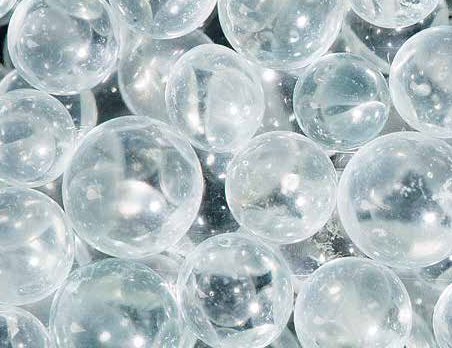
- Cleaning metal with a satin finish: glass beads; see surface finishing with glass beads
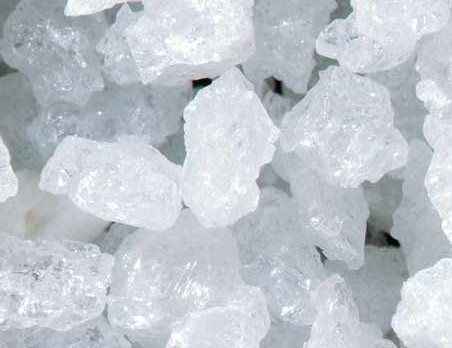
- Controlled profile before coating, iron-free surface: fine white aluminium oxide
For an overview of all abrasive groups, see types of blasting abrasives.
Frequently asked questions
Does walnut shell blasting damage metal?
Walnut shell is a soft abrasive and, used at the right pressure, leaves no noticeable marks on metal. Even so, testing on a small area first is recommended on thin and delicate parts.
What can be used instead of walnut shell?
For gentle cleaning of the substrate, plastic media; for a satin finish, glass beads. Plastic media can be recovered in a cabinet and is highly consistent from batch to batch.
Does walnut shell remove rust?
It can remove loose dirt and light deposits, but it does not effectively remove adherent rust or mill scale and cuts no profile for paint. Rusty steel needs angular abrasives such as garnet or aluminium oxide.
Let us assess your soft abrasive needs together
Tell us about the part you want to clean, its material and the finish you expect, and we will decide together whether plastic media, glass beads or another abrasive is suitable. Browse all products on the products page or fill in the quote form for pricing.