
Classic blasting is designed to clean large surfaces quickly. Some jobs, however, need just a few millimetres to be processed without touching the rest of the part. Micro blasting is the name of this precision process, in which a very fine abrasive is sprayed in a controlled way through a small nozzle. In this post we explain how it works, where it is used and which abrasives are suitable.
What is micro blasting?
Micro blasting is a surface treatment method in which a fine abrasive is carried by dry compressed air through a small-bore nozzle to a targeted spot. It is usually done with a pencil-type hand tool: the operator holds it like a pen and directs the abrasive stream only at the area to be treated. The work is usually done in a small benchtop cabinet with dust extraction.
The difference from classic blasting is scale: the abrasive works on the same principle, but the grain size, nozzle bore and amount of abrasive are much smaller. You can find the general principle in what is abrasive blasting and a general classification of methods in the Wikipedia article on abrasive blasting.
How does a micro blaster work?
- Reservoir: the fine abrasive is held in a small reservoir.
- Compressed air: clean, dry air picks up the abrasive and carries it through a thin hose to the pencil.
- Pencil and nozzle: a small-bore nozzle focuses the abrasive stream on a narrow area.
- Control: the flow is usually switched with a foot pedal, so both of the operator’s hands stay on the part.
- Cabinet and extraction: the work is done inside a closed cabinet; dust extraction keeps visibility clear and removes the dust.
Where is micro blasting used?
The method is used wherever small areas or small parts must be processed in a controlled way:
- Dental laboratories: surface preparation and cleaning of prosthetic and restoration parts.
- Mould maintenance: local cleaning of finely detailed mould areas and texture correction on small areas.
- Jewellery and watchmaking: a matt or satin look on selected areas of a polished surface.
- Precision mechanical parts: removing burrs, oxide and residue from small parts.
- Restoration and collection items: controlled surface cleaning of small, fragile objects.
Which abrasives are used in micro blasting?
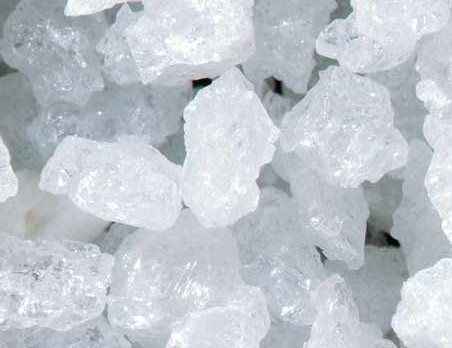
- White aluminium oxide: the most common micro blasting abrasive. Its fine grains are sharp and hard, cut a controlled profile before bonding or coating and contain no iron.
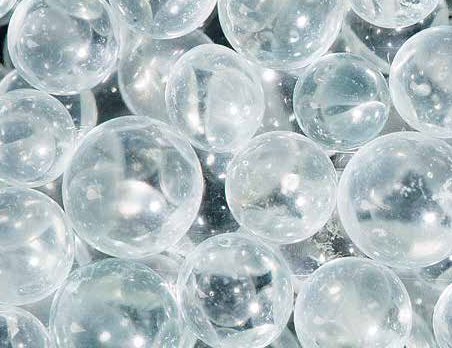
- Glass beads: their round grains clean without cutting a profile and give a satin look. Preferred where appearance matters and dimensions must be kept.
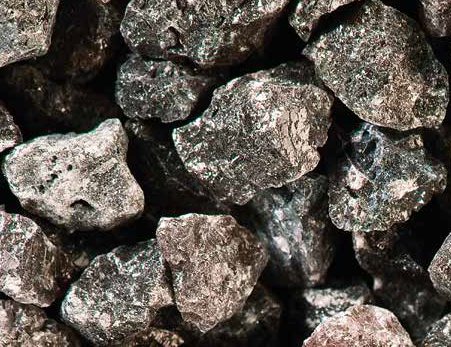
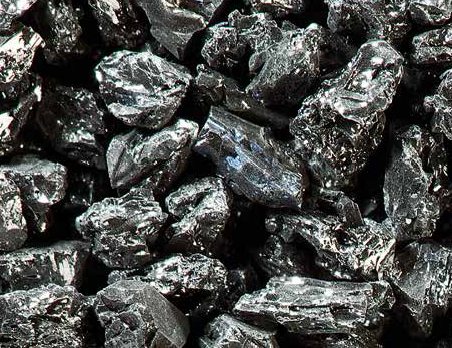
- Black silicon carbide: used on very hard surfaces and for small jobs that need fast abrasion.
You can find the fine size ranges of glass beads in glass bead blasting and the properties of silicon carbide in what is silicon carbide.
How it differs from classic blasting
- Targeted processing: only the desired area is treated; in many cases less masking is needed.
- Very fine grain: much finer abrasives are used than in classic blasting.
- Low abrasive consumption: because of the small nozzle, little abrasive is used per job.
- Lower speed: not suitable for large surfaces; large areas need classic blasting.
Micro blasting is therefore used alongside classic blasting, not instead of it. The general cleaning of a large part is done by classic blasting, and micro blasting can then be applied as a final step on the delicate areas only. The size of the part, the size of the area to treat and the required surface decide which method fits.
Points to watch
- Dry air: fine abrasive quickly absorbs moisture and clogs the small nozzle. Use an air dryer and oil filter.
- Grain and nozzle match: going outside the grain range recommended by the equipment maker can disrupt flow or clog the nozzle.
- Do not mix abrasives: using a separate reservoir for each abrasive keeps results consistent.
- Dust and protection: fine abrasive means fine dust; a cabinet, extraction and suitable respiratory protection are needed. See safety in abrasive blasting.
- Material-specific instructions: in dental and similar precision applications, follow the surface preparation recommendations of the material’s manufacturer.
For the general logic of grain selection, see our grain size selection guide.
Frequently asked questions
What is the difference between micro blasting and blasting?
The principle is the same; the difference is scale. In micro blasting a very fine abrasive is directed at a narrow area through a small nozzle, while classic blasting is used to process large surfaces quickly.
What grain size is used in micro blasting?
Much finer grains than in classic blasting. The right range depends on the nozzle bore, the material and the required surface; the equipment maker’s recommendation should be followed.
Is micro blasting abrasive reused?
In precision work the abrasive is usually single-use, because broken grains and residue can spoil the result and clog the nozzle. Some cabinet systems allow reuse after sieving.
Get a quote for micro blasting abrasives
Tell us your equipment, the material you process and the surface you need, and we will choose the right abrasive and size range together. Browse all products on the products page or fill in the quote form for pricing.