
Grit blasting means blasting a surface with an angular abrasive. The goal is not only to remove rust, mill scale and old paint, but also to create a profiled surface that new paint or coating can grip. In this post we answer what is grit blasting, how it differs from shot blasting, which angular abrasive suits which job and how the surface is checked when the job is done.
How does grit blasting work?
When angular grains hit the surface, their sharp edges cut and scratch it. Contamination is removed and the surface is left with many small peaks and valleys. This texture is the anchor profile that lets the coating key mechanically into the surface. Most coating systems require a specific profile as well as a clean surface, which is why grit blasting is the most common preparation method before paint, epoxy, thermal spray and rubber lining.
The method can be applied by spraying through a nozzle with compressed air or by throwing the abrasive with a wheel in a wheel blast machine. For a general overview of blasting methods, see the Wikipedia article on abrasive blasting.
Grit blasting vs shot blasting
Although both can be done in the same machines, they work differently on the surface:
- Grit blasting (cutting): angular grains cut the surface and leave a sharp, clear profile. Preferred for preparation before coating.
- Shot blasting (impact): round shot hits the surface and breaks up rust and scale, leaving a rounder, smoother texture. Suited to cleaning castings and jobs that need an even surface.
- Mix: in wheel blast machines, shot and grit can be used together in a set ratio to balance cleaning and profile.
For a detailed comparison see steel shot vs steel grit, and for the machine side what is shot blasting.
Which angular abrasive for which job?
Grit blasting is a method, not a single product; the angular abrasive is chosen by material and job:
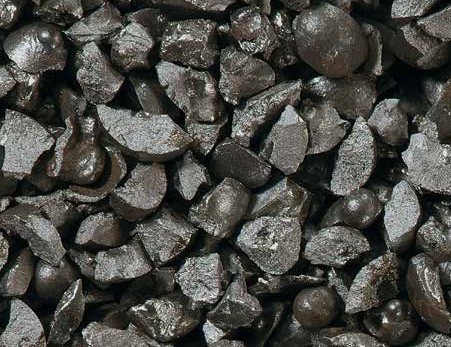
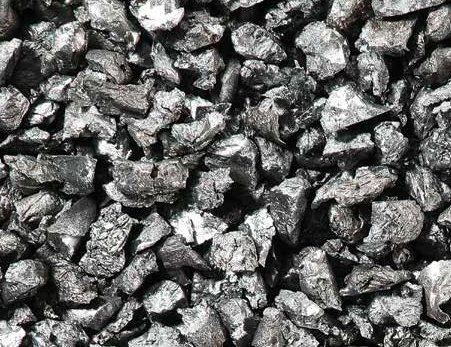
- Steel grit: on carbon steel, recycled in cabinets and wheel blast machines. Details in what is steel grit.
- Stainless steel grit: when a metallic grit is needed on materials such as stainless steel and aluminium where iron contamination is unwanted.
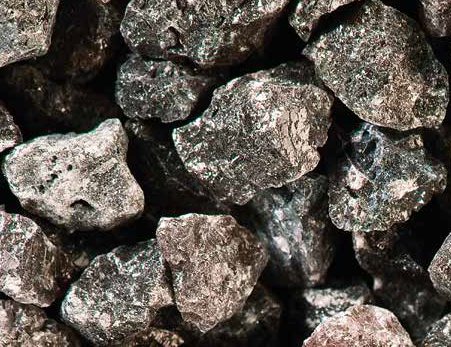
- Brown fused alumina: hard, sharp grains for general surface preparation in cabinets and pressure pots.
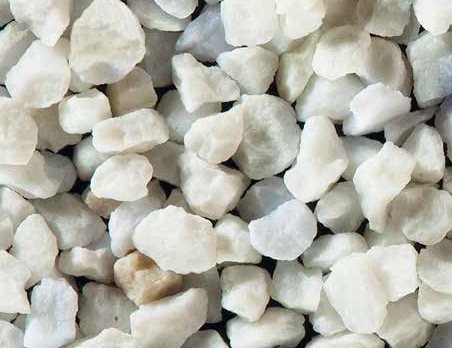
- White aluminium oxide: a purer grade for iron-free surfaces and delicate work.
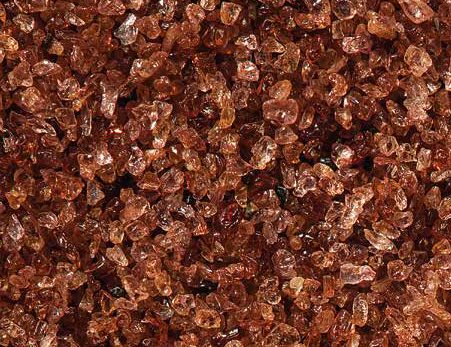
- Garnet: for open-air and on-site pressure blasting, giving an even surface with low dust.
- Black silicon carbide: for very hard surfaces and special jobs that need fast cutting.
Pressure and wheel blasting
In pressure grit blasting the abrasive is sprayed through a nozzle by an air stream. Large steel structures, tanks, ships and on-site work are done this way, with mineral abrasives or steel grit. In wheel blast machines the abrasive is thrown by a wheel and recycled in a closed loop; these systems prefer durable metallic abrasives, mostly steel grit.
The choice depends on part size, production volume and whether the work is on site or in the shop. The two methods are compared in pressure vs wheel blasting.
Checking cleanliness and roughness
After grit blasting, two things are checked on the surface:
- Cleanliness grade: how much rust, mill scale and old coating remains is assessed visually against the Sa grades of ISO 8501-1. Details in Sa 2, Sa 2½ and Sa 3 cleanliness grades.
- Surface profile: the height of the profile is measured with comparators, profile gauges or replica tape. We explain the methods in how to measure surface roughness.
The required grade and profile range are always set by the coating manufacturer’s technical data sheet and the job specification. If the profile is too low, a coarser or harder abrasive is needed; if too high, a finer grain.
Tips for efficient and safe grit blasting
- Choose the abrasive and grain size for the target profile; an unnecessarily coarse grain increases paint consumption.
- Screen recycled abrasive regularly and remove the dust; worn grains lower the profile. Details in recycling blasting abrasive.
- Coat blasted steel without long delays; in humid conditions it can rust again quickly.
- Use a blast helmet, suitable respiratory protection and dust collection; do not use sand containing silica.
Frequently asked questions
Is grit blasting the same as sandblasting?
Abrasive blasting (often called sandblasting) is the general name for all surface treatments done by spraying an abrasive. Grit blasting is the type done with an angular abrasive, aimed in particular at creating a profile before coating.
What abrasive is used for grit blasting?
Steel grit or brown fused alumina on carbon steel, stainless grit or white aluminium oxide on stainless steel and aluminium, and garnet for on-site pressure blasting are common choices. Silicon carbide can be used on very hard surfaces.
Does grit blasting damage the surface?
With the right abrasive and settings it removes very little material and creates the profile the coating needs. On thin sheet and delicate parts, high pressure and coarse grains can cause distortion or deep marks.
Get a quote for grit blasting abrasives
Tell us the material you work on, your equipment and the profile and cleanliness grade in your coating specification, and we will choose the right angular abrasive and grain size together. Browse all products on the products page or fill in the quote form for pricing.