
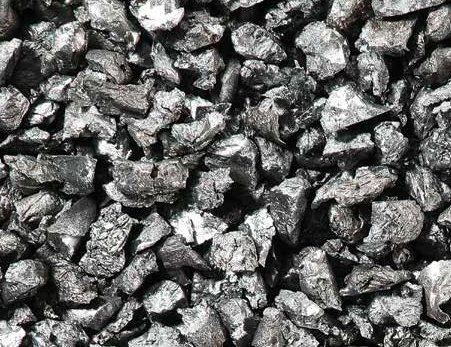
Blasting stainless steel, aluminium and other non-ferrous metals with carbon steel abrasives can leave iron particles on the surface. Over time these particles rust and cause brown stains. Stainless steel grit is used to create a profile with angular grains without this problem. In this post we answer what stainless steel grit is, what its technical properties are and which jobs it is preferred for.
What is stainless steel grit?
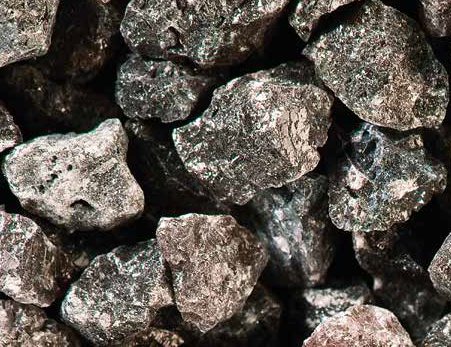
Stainless steel grit is an angular metallic abrasive made from high-chromium stainless steel. Typical values from our stainless steel grit product page:
- Grain shape: angular
- Hardness: ~59 HRC (710 HV)
- Density: ~7.0 g/cm³
- Chromium content: 27 – 30%
For general information on stainless steel, see the Wikipedia article on stainless steel.
Why not carbon steel grit?
Carbon steel grit is cheap and effective, but when it strikes a stainless or aluminium surface, microscopic iron particles can become embedded in it. This "iron contamination" is invisible at first, appears as rust stains on contact with moisture and can weaken the corrosion resistance of the stainless surface. Stainless steel grit aims to remove this risk while creating a similar profile with its angular shape. For the broader picture, see our post on blasting stainless steel.
Sizes and grain size
The designation numbers and ranges on our product page:
| Designation | Average size (mm) | Application |
|---|---|---|
| 10 | 1.7 – 2.5 | Heavy cleaning |
| 14 | 1.2 – 1.7 | General surface preparation |
| 25 | 0.4 – 1.0 | Medium cleaning |
| 50 | 0.2 – 0.6 | Precision surface work |
| 120 | 0.0 – 0.2 | Fine detail blasting |
Where is it used?
- Cleaning stainless parts and machinery
- Blasting non-ferrous metals such as aluminium, zamak and brass
- Surface preparation before coating, painting and metallising
- Profiling before rubber and polyurethane coatings
- Decorative treatment of marble and stone
Stainless grit or the alternatives?
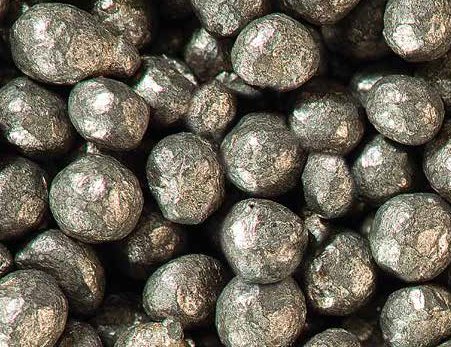
- Stainless steel shot: when a smoother, brighter texture is wanted instead of a profile. Product: stainless steel shot.
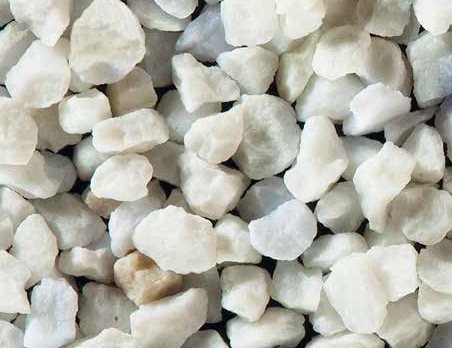
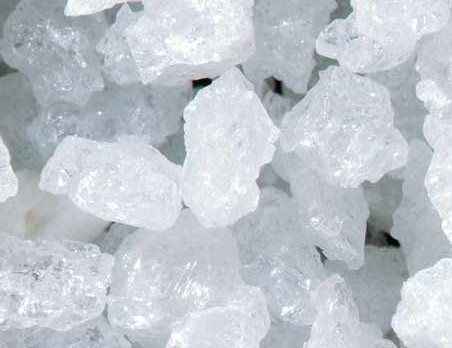
- White aluminium oxide: an iron-free, sharp mineral alternative, especially in pressure cabinets. Product: white aluminium oxide.
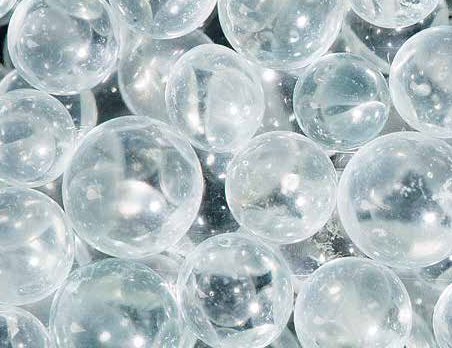
- Glass beads: for a satin, decorative look; they do not create a pronounced profile. Product: glass beads.
Because stainless grit is metallic, it is dense and can be used for many cycles in recycling systems, which offsets the initial cost over time.
Tips for use
- Keep abrasives separate: if carbon steel abrasive was previously used in the same machine, do not switch to stainless grit before cleaning the machine thoroughly.
- Tune the recycling: the separator should remove dust and fines regularly; details are in our post on abrasive recycling.
- Start with a sample: especially in decorative work, run a trial on a sample part to reach the desired surface.
Frequently asked questions
Is stainless steel grit used on aluminium?
Yes. Our product page lists non-ferrous metals such as aluminium, zamak and brass among its applications. On thin-walled parts, pressure and grain size must be chosen carefully.
Can stainless grit be mixed with steel grit?
Not if it will be used on stainless surfaces. Carbon steel grains in the mix cause iron contamination and defeat the purpose of using stainless grit.
Can stainless steel grit be reused?
Yes. As a metallic abrasive it can be used many times with a suitable recycling system. The exact number of cycles depends on the machine, pressure and the parts processed.
Get a quote for stainless steel grit
Tell us the material you will process, the surface you need and your machine, and we will choose the right size together. See our stainless steel grit product page or fill in the quote form for pricing.