
Not every blasting job is about stripping rust and cutting a deep profile. Thin sheet, machined parts with tight tolerances, decorative surfaces, moulds and small precision parts must be cleaned without damaging the surface. These jobs use a fine blasting abrasive, that is, a fine-grained abrasive. In this post we explain when a fine grain is the right choice, which abrasives come in fine grades and what to watch out for in practice.
When to choose a fine grain
Compared with a coarse grain, a fine grain makes smaller but far more numerous impacts. The result is a smoother, shallower and more even surface. Fine grains are especially useful for:
- Thin sheet and thin-walled parts: coarse grains risk distortion and deep marks.
- Machined parts where dimensions matter: as little material as possible should be removed.
- Decorative and visible surfaces: an even matt or satin look is required.
- Parts with fine detail: narrow channels, lettering and reliefs cannot be processed evenly with coarse grains.
- Jobs that need a shallow profile before coating: a deep profile may not suit thin-film coatings.
We explain the general logic of grain size and FEPA/mesh designations in our grain size selection guide; this post focuses on the fine end.
Fine-grained abrasive options
According to the grain tables on our product pages, the main options at the fine end are:
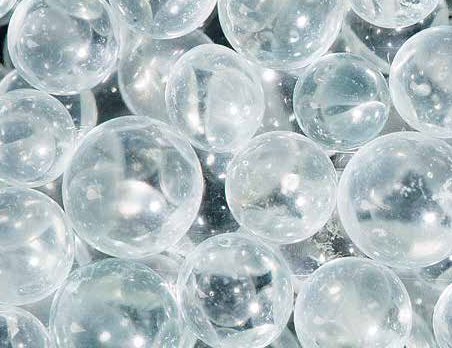
- Glass beads: 0.04–0.07 mm for very fine finishing and 0.07–0.11 mm for a fine satin surface. Being round, they do not cut a profile and do not noticeably change part dimensions.
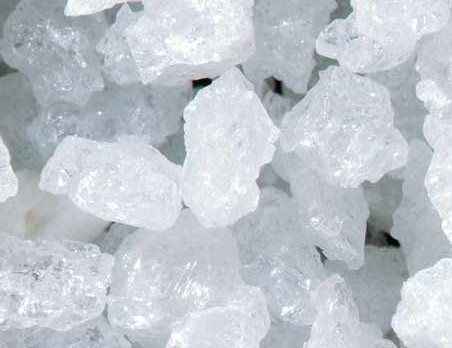
- White aluminium oxide: F120 (90–125 µm) is in the precision range. Being angular, it cuts a fine but controlled profile and contains no iron.
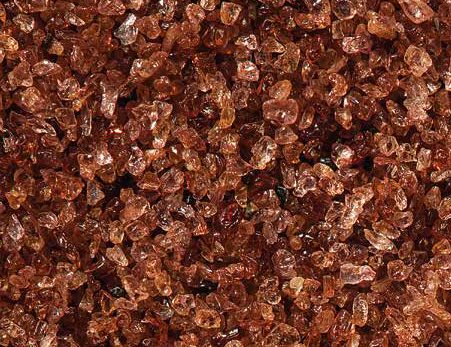
- Garnet: 80 mesh (0.18–0.30 mm) is for precision surface work; it gives low dust and balanced cutting.
- Plastic media: used to strip paint and coatings from delicate substrates; fine mesh options suit fine work.
Profile or appearance?
Even with fine grains, the first question is the same: do you need a profile, or only cleaning and appearance?
- Appearance and cleaning: round glass beads clean without cutting a profile and give an even satin surface. Decorative work on stainless and aluminium, weld seams and heat tint removal are typical examples.
- Fine profile: fine angular white aluminium oxide gives a controlled, shallow profile before bonding, thin coatings or printing.
- Protecting the substrate: plastic media aims to strip the coating without abrading the base material.
We describe the difference between round and angular grains on the surface in surface finishing with glass beads. For a general overview of bead blasting, the Wikipedia article on bead blasting is a good source.
Points to watch when working with fine grains
Fine grains need some extra care compared with coarse ones:
- Moisture: fine grains hold moisture more easily and clump. Dry air and dry storage are essential.
- Dust: fine abrasive and its fragments stay airborne longer. A cabinet and good dust extraction matter.
- Pressure: on delicate parts start low and test on a sample; fine grains break down quickly at high pressure.
- Separation: in recycling systems, set the separator so fine grains are not discarded with the dust.
- Separate use: keep fine abrasive used on stainless and aluminium apart from steel work; iron contamination can cause staining.
Similar mistakes are covered in common abrasive blasting mistakes.
Fine grains do not suit every job
Fine grains are slow on heavy rust, mill scale or thick coatings and cannot give the deep profile that heavy-duty industrial coatings require. In these jobs it is more efficient to do the main cleaning with a coarser grain first and, if needed, follow with a fine grain for appearance. For the general framework of which abrasive suits which job, see how to choose a blasting abrasive. How surface profile is measured is explained in how to measure surface profile.
Safety
Fine abrasives create respirable dust more easily. Never use sands containing silica; even in a cabinet, use suitable respiratory protection, eye protection and gloves. Details are in safety in abrasive blasting.
Frequently asked questions
What is the finest blasting abrasive?
In our range, the finest grade is 0.04–0.07 mm glass beads, used for very fine finishing. Among angular abrasives, F120 white aluminium oxide is in the precision range.
Does a fine abrasive remove less material?
Generally yes; fine grains leave smaller, shallower marks and therefore remove less material. The result also depends on the abrasive’s hardness, shape and the pressure.
Can fine abrasive remove rust?
Light surface rust can be removed with fine aluminium oxide or garnet. On heavy rust and mill scale fine grains are slow; cleaning with a coarser grain first is more efficient.
Let’s choose the right grain size for your precision work
Tell us your part’s material, thickness and the surface you need, and we will choose the right abrasive and fine grain range together. Browse all products on the products page or fill in the quote form for pricing.