
Over time, stone walls get covered with soot, dirt, old paint and plaster residue. Blasting is one of the fastest ways to bring back the natural texture of the stone, but the wrong abrasive and high pressure erode the stone surface, round off its edges and empty the joints. In this post we explain how to choose the abrasive, pressure and method for stone wall blasting without damaging the stone.
First, know your stone
Stones differ greatly in hardness and surface strength. The same setting may remove only dirt on one stone and erode another:
- Soft stones: limestone, tuff and some sandstones erode easily. They need very low pressure and a soft, fine abrasive.
- Medium-hard stones: hard limestone and marble can be worked at controlled pressure, though the surface texture may still change.
- Hard stones: granite and basalt are more durable, but polished surfaces will turn matt when blasted.
For general information on sedimentary stones such as limestone, see the Wikipedia article on limestone. If you are not sure what stone you have, consult a specialist.
Which abrasive is gentlest on stone?
On a stone wall the aim is to remove the dirt and coating, not the stone. So fine, controlled abrasives are preferred over coarse, hard abrasives with high cutting power:
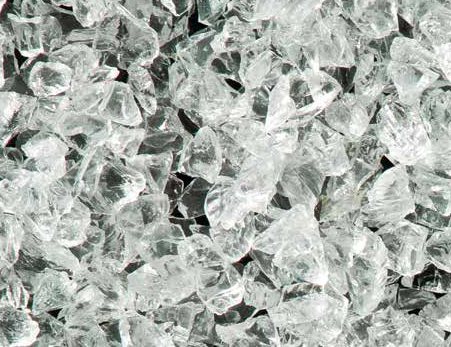
- Glass abrasive: in fine sizes it is often used to remove dirt, soot and old paint layers.
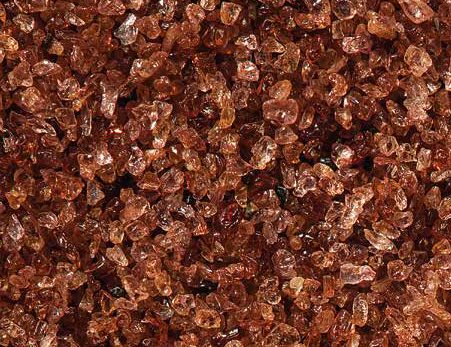
- Garnet: a fine grade leaves an even surface with low dust; suits medium and hard stone.
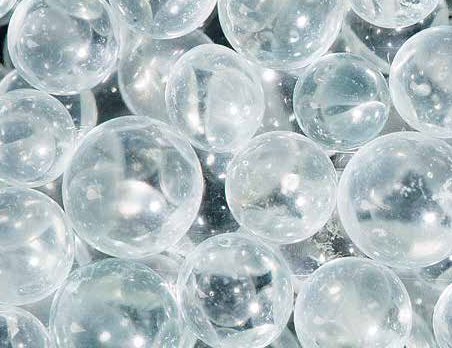
- Glass beads: the round grains clean without cutting; worth considering for light dirt on delicate surfaces.
- Plastic media: low abrasive effect; can be tried for thin paint layers on soft stone, but its effect is limited.
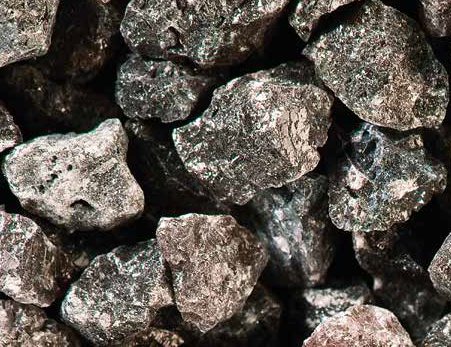
Hard, angular abrasives such as brown fused alumina and steel grit can erode stone quickly, so they are generally not used on stone walls. We explain the general logic of grain choice in our grain size selection guide.
Pressure and technique: test a small area first
The most common mistake on stone walls is trying to get fast results with high pressure. The safe approach is:
- Test at low pressure on a small, hidden area and judge the result once it is dry.
- Rather than holding the nozzle square to the stone, work at a slight angle and a fixed distance, keeping it moving.
- Lower the pressure further on corners, carvings and decorated surfaces; these erode first.
- Stop as soon as you start eroding the stone, even if some dirt remains; use a second, lighter pass for what is left.
Wet blasting and dust
Dust is a major issue in stone wall blasting, for workers and surroundings alike. Wet blasting greatly reduces dust and is preferred especially in residential areas. We explain which abrasives suit wet work in wet blasting abrasive.
An important point: crystalline silica risk does not come only from the abrasive. Many stones and building materials such as sandstone, granite and mortar contain crystalline silica, so respirable dust can come from the stone itself during blasting. Even with an abrasive that contains no crystalline silica, you therefore need dust control, suitable respiratory protection and an assessment by an occupational safety specialist. Details are in safety in abrasive blasting.
Protecting joints, windows and surroundings
- Protect sound joints and mortar with tape or a suitable covering; loose joints can be emptied completely by blasting.
- Cover windows, doors, timber frames and metal fittings; abrasive can permanently frost glass and mark wood.
- Protect nearby walkways and vehicles, and enclose the area against dust and rebounding abrasive.
- Clean the surface when the work is done and, if needed, get expert advice on a suitable stone protector.
On historic or listed buildings, blasting can cause permanent damage to the stone, so it should not be done without permission from the relevant authorities and the opinion of a conservation specialist. Check the regulations in force for such buildings. For timber surfaces, see wood blasting abrasive.
Frequently asked questions
What abrasive is used for blasting stone walls?
To avoid damaging the stone, fine glass abrasive, fine garnet or, on delicate surfaces, glass beads are preferred. The choice depends on the hardness of the stone and the type of dirt; always test a small area first.
Does blasting damage a stone wall?
The wrong abrasive or high pressure can erode the stone surface, round off edges and empty the joints. Low pressure, a fine abrasive and a test beforehand reduce this risk.
Is the dust from stone wall blasting dangerous?
Yes, precautions are needed. Because many stones and mortars contain crystalline silica, respirable dust can come from the stone itself during blasting. Use the wet method, dust control and suitable respiratory protection; if you have a health complaint, see a doctor.
Get a quote for stone wall blasting abrasives
Tell us the type of stone, the dirt to be removed and the equipment you use, and we will choose the right abrasive and grain size together. Browse all products on the products page or fill in the quote form for pricing.