
In dry blasting the abrasive is carried only by air; in wet blasting water is mixed with the abrasive. The water captures most of the dust created on impact and gives a softer action on the surface. But not every abrasive works well with water. In this post we explain how to choose a wet blasting abrasive, how the wet method works and the extra issues water brings.
How does wet blasting work?
In wet blasting, water and abrasive are brought together in different ways. There are three general approaches:
- Water at the nozzle: a water ring or injection is added at the nozzle of a dry system; the abrasive arrives with the air and is wetted at the outlet.
- Pressurised wet systems: water and abrasive are mixed in the pot or the line and sprayed with compressed air.
- Slurry systems: abrasive and water are circulated as a slurry by a pump; common in cabinet systems and also known as vapour blasting.
For a general description, see the wet abrasive blasting section on Wikipedia. For dry systems, our post on abrasives for blasting machines is a guide.
Advantages and limits of the wet method
- Less dust: water captures dust at the source, so far less dust spreads. This does not remove the need for respiratory protection.
- Softer action: the water cushion keeps the surface cooler and can give a smoother look.
- Less residue on the surface: water partly rinses abrasive dust and dirt off the surface.
- Limit: flash rust can form on wet steel.
- Limit: wet waste (sludge) is produced and must be collected and disposed of properly.
- Limit: the surface must be fully dry before coating.
Which abrasive is used for wet blasting?
In the wet method the abrasive must not dissolve in water, must not rust and must be carried easily with water. Common options that meet these conditions are:
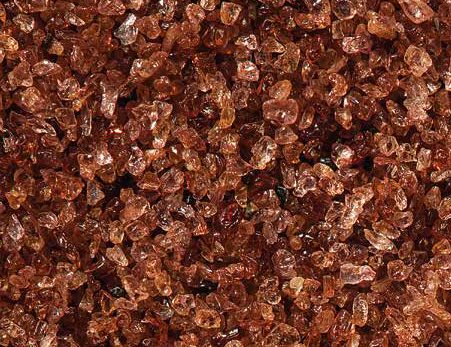
- Garnet: insoluble in water, chemically stable and, being a heavy mineral, carried well by water. Often chosen for wet blasting; see what is garnet abrasive.
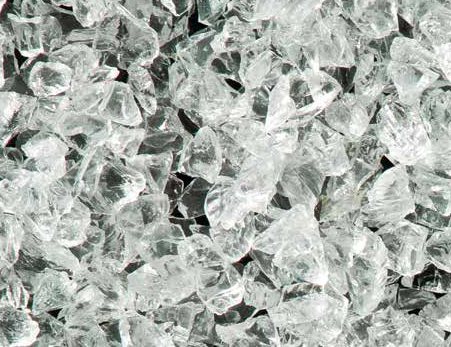
- Glass abrasive: made from recycled glass, iron-free and rust-free. Used for paint and rust removal in wet and dry systems.
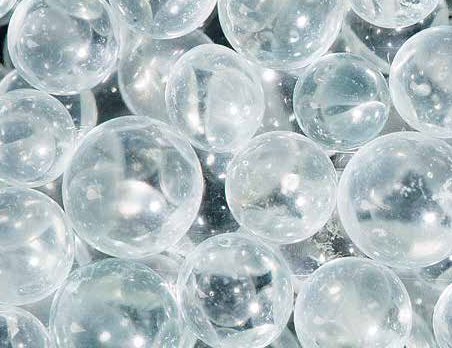
- Glass beads: preferred in slurry cabinets for a satin, bright look; they clean without cutting a profile.
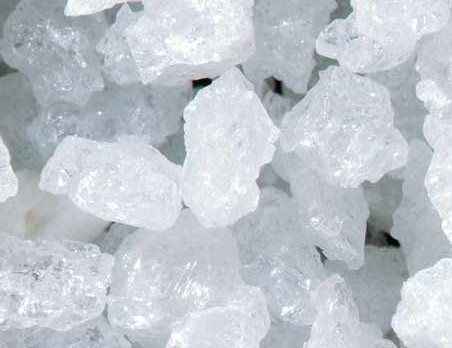
- White aluminium oxide: can be used in wet cabinets when a fine profile or matt finish is needed; iron-free.
Why are steel abrasives a problem in wet blasting?
Steel shot and steel grit are durable abrasives that can be reused many times in dry systems, but in contact with water they rust quickly, clump and can carry rust stains onto the surface. That is why mineral or glass abrasives are usually preferred for the wet method. For dry and wheel blast systems where metallic abrasives are used, see steel shot vs steel grit.
Flash rust and how to prevent it
A wet-blasted steel surface is freshly exposed and unprotected, so it can quickly be covered with a thin layer of rust. This is called flash rust. General approaches to prevent it are:
- Dry the surface quickly after blasting and move on to primer without delay.
- Add a rust inhibitor to the water. It must be compatible with the coating to be applied; get the coating manufacturer’s approval.
- Set the acceptable flash rust level and surface cleanliness grade according to the coating specification.
Cleanliness grades are explained in Sa 2, Sa 2.5 and Sa 3, and the importance of surface preparation in why blasting before painting matters.
Grain size and recycling
In wet systems the grain size must be within what the pump and nozzle can carry; slurry cabinets usually use fine and medium grains. In slurry systems the abrasive circulates for some time, and broken fines and dirt gradually wear out the slurry, so the abrasive must be renewed regularly. The general logic of grain selection is in our grain size selection guide.
Safety
The wet method reduces dust but does not eliminate it; fine particles carried by drying sludge and splashing water can still be inhaled. Do not use sands containing silica in the wet method either, and use suitable personal protective equipment. Details are in safety in abrasive blasting.
Frequently asked questions
What abrasive is used for wet blasting?
Abrasives that do not dissolve or rust: garnet, glass abrasive, glass beads and aluminium oxide are common options. Steel shot and steel grit rust when wet and are usually not preferred.
Does wet blasting eliminate dust completely?
No; it greatly reduces dust but does not remove it entirely. Fine particles from drying waste and splashing water can become airborne. Suitable respiratory protection should be used.
Why does rust appear after wet blasting?
A wet-blasted steel surface is freshly exposed and unprotected, so flash rust can form quickly. Fast drying, a rust inhibitor compatible with the coating and priming without delay reduce this risk.
Get a quote for wet blasting abrasives
Tell us your wet system type, the surface you blast and the result you need, and we will choose a water-compatible abrasive and grain size together. Browse all products on the products page or fill in the quote form for pricing.