
The name sandblasting comes from the fact that the method was once done with natural sand, so it seems logical that sea sand, so plentiful on the beach, would do the job too. The short technical answer to can you sandblast with sea sand is: physically possible, but not recommended. In this post we explain the risks sea sand creates for the surface, the equipment and the operator, and which abrasives to use instead.
Why does sea sand cause problems in blasting?
Sea sand is not made for blasting. Its composition, grain size and cleanliness vary from place to place and are not controlled. The problems fall into four main areas:
- Salt residue: sea sand carries salt, which can be transferred to the surface being cleaned.
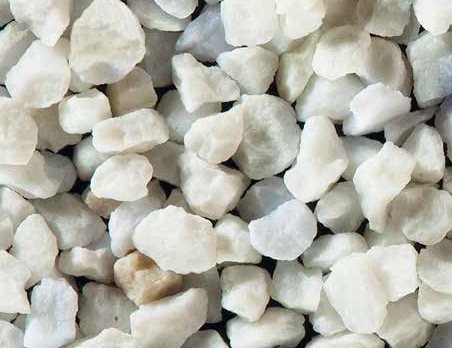
- Rounded grains: grains worn by waves and currents are rounded; they do not cut as well as angular abrasives and leave too little profile for paint.
- Moisture: wet, salty sand clumps in the hose and pot and disrupts flow.
- Dust and silica: unscreened sand contains fines, shell and organic debris, and its crystalline silica content raises the risk of respirable dust.
Salt residue and corrosion under paint
Soluble salts left on a steel surface draw moisture under the paint or coating. Over time this can show up as blistering and rust starting beneath the paint. So even if the surface looks clean after blasting, salt from sea sand can shorten the life of the coating.
That is why a clean, salt-free abrasive matters when preparing a surface for coating. We explain how blasting affects coating life in why blasting before painting matters, and cleanliness grades in Sa 2, Sa 2½ and Sa 3.
Grain shape, cutting power and consumption
A good surface profile usually calls for angular grains. When the rounded grains of sea sand hit the surface, they tend to bounce and shatter rather than cut. As a result:
- Rust and old paint come off more slowly and the job takes longer.
- Grains break easily, so consumption and dust increase.
- The profile needed for paint can be uneven.
- Mixed grain sizes can cause blockages in the nozzle and hose.
- Shell and organic particles can leave residue on the surface.
For the general picture on natural sand abrasives, see our post on quartz sand for blasting. For general information on how sand forms and its types, the Wikipedia article on sand is a good starting point.
Health risk: dust and crystalline silica
A large part of sea sand is quartz, that is, crystalline silica. During blasting the grains break into very fine dust, and the respirable fraction can reach deep into the lungs. Long-term exposure is associated with serious occupational diseases such as silicosis. This is general information; consult an occupational safety specialist about exposure and protection, and a doctor about any health complaints.
In addition, taking sand from beaches requires a permit in many places and harms the coastal ecosystem. Check local regulations. For general precautions, read our post on blasting safety and silica dust.
What to use instead of sea sand?
Abrasives made, screened and dried for blasting give more predictable results and reduce the risks. The main alternatives, depending on the job:
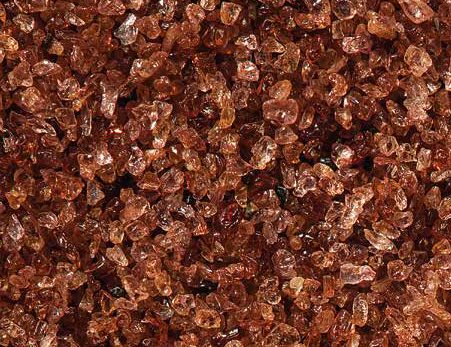
- Garnet: common for steel surface preparation in open areas; gives a low-dust, even surface. Details in what is garnet abrasive.
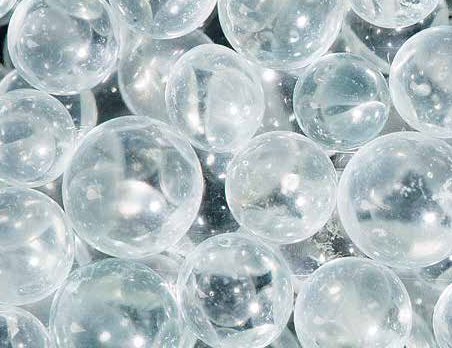
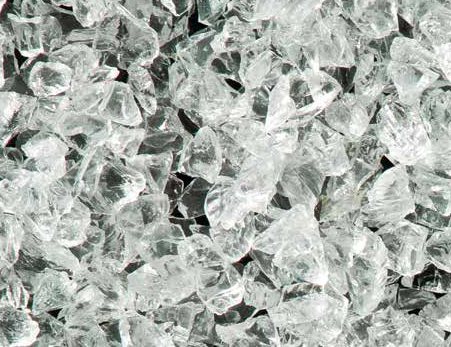
- Glass abrasive: made from recycled glass, contains no free crystalline silica; suits light and medium cleaning.
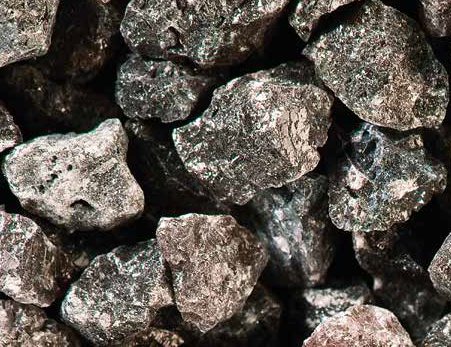
- Brown fused alumina: cuts fast with hard, angular grains and can be recovered and reused in a cabinet.
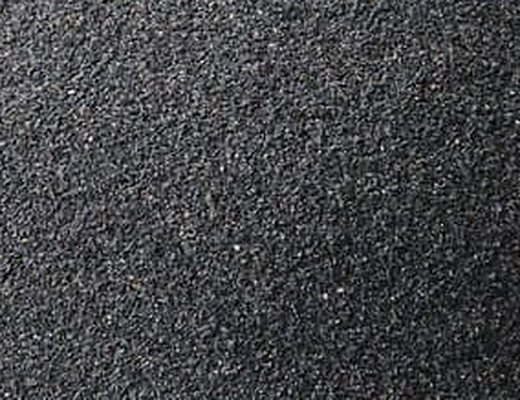
- Basalt sand: a metal-free, economical natural abrasive for general cleaning and maintenance work.
For a comparison of these abrasives, see types of blasting abrasives. Contrary to what many think, abrasives that look expensive per kilo can be competitive per job because they break down less and are consumed less; see blasting abrasive prices.
Frequently asked questions
If I wash and dry sea sand, can I use it for blasting?
Washing removes some of the salt and drying reduces moisture, but the rounded grain shape, mixed grain size and crystalline silica content do not change. So washed sea sand is not recommended for blasting either.
Is river sand better than sea sand?
River sand has less of a salt problem, but its composition and grain size are still unknown, it can be very dusty and it usually contains crystalline silica. The same risks apply to river sand.
What is the closest safe alternative to sea sand?
Garnet is often chosen for steel surface preparation in open areas, glass abrasive for light work and basalt sand for general cleaning and maintenance. The right choice depends on the surface, the equipment and the result required.
Let us choose the right abrasive together
Tell us about the surface you will blast, your working environment and your equipment, and we will choose a suitable abrasive and grain size to use instead of sea sand. Browse all products on the products page or fill in the quote form for pricing.