
Anyone looking for outside help with rust, paint or coating removal usually starts with the same question: which blasting company? Choosing between blasting companies on price alone can lead to costly problems such as paint that does not adhere or surfaces that rust again. In this post we explain what to ask a blasting contractor, the factors that determine blasting prices and the information you should give when requesting a quote.
What does a blasting service cover?
Blasting cleans and roughens a surface with abrasive particles propelled by compressed air or a wheel. As a service it is most often requested for:
- Removal of rust, old paint and coatings
- Surface preparation before painting or coating
- Cleaning of castings and forgings
- Cleaning of steel structures
- Surface treatment of stainless steel and aluminium parts
- Cleaning of concrete and stone surfaces
Blasting companies can provide the service in two ways: by coming to your facility or site with crew and equipment, or by processing the parts at their own facility. Large steel structures, tanks and fixed constructions are usually blasted on site, while movable parts can be processed more consistently in cabinets or wheel blast machines.
For the basics see our post what is blasting and how is it done; for a general definition see the Wikipedia article on abrasive blasting.
Questions to ask blasting companies
A good blasting contractor wants to understand your goal before starting. Ask them:
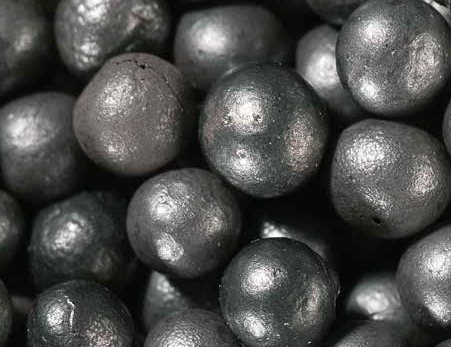
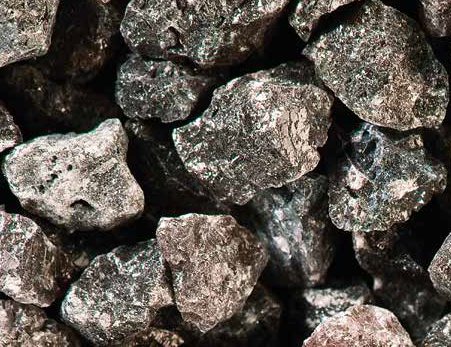
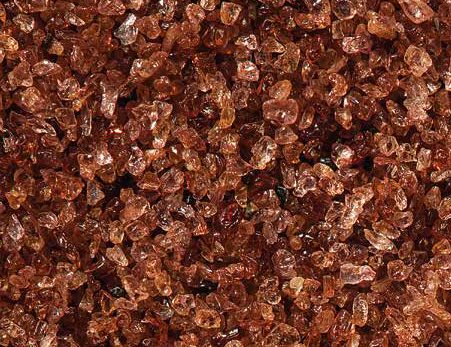
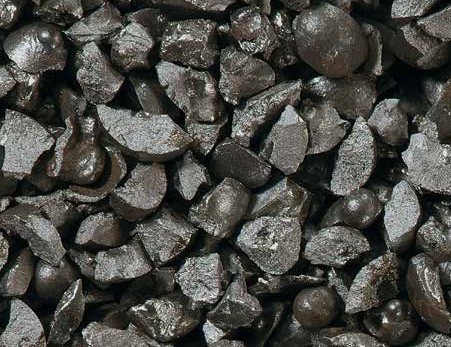
- Which abrasive will you use? Outdoors garnet or brown aluminium oxide are common; in recycling cabinets and wheel blast machines steel grit. For stainless and aluminium parts, an abrasive that avoids iron contamination should be chosen.
- Which cleanliness grade will you achieve? Paint specifications usually require a grade under ISO 8501-1. Details in our post Sa 2, Sa 2½ and Sa 3.
- Do you measure roughness? The surface profile needed for paint adhesion can be verified by measurement. Methods in our post how to measure surface roughness.
- How are dust and safety handled? Ask about protective equipment, dust control and whether the abrasive contains free silica. See safety in blasting.
- How long between blasting and painting? Freshly blasted steel can rust again quickly in humid air; painting should be planned together with blasting.
What determines blasting prices?
There is no single unit price for blasting services; each job is priced on its own conditions. The main factors are:
- Surface area or number of parts: large surfaces may be priced per square metre, series parts per piece or weight.
- Current condition: thick paint, tight mill scale or deep rust take far more time and abrasive than light dirt.
- Required cleanliness grade: Sa 3 takes longer than Sa 2.
- Location: on site work requires transporting equipment, setup and environmental protection; sending parts to a facility has a different cost structure.
- Abrasive type: recyclable and expendable abrasives cost differently.
- Access: scaffolding, height, confined spaces and working hour limits extend the job.
What to watch for in metal blasting prices
For metal blasting quotes to be comparable, make sure the same scope is priced. If one quote includes Sa 2½ and measured profile while another only says "rust removal", the two prices cannot be compared. Ask for the cleanliness grade, abrasive, dust and waste handling and who does the painting to be stated clearly. For the cost of buying abrasive, see our post blasting abrasive prices.
What information should you give when requesting a quote?
To get an accurate and quick quote, provide these details from the start:
- Surface to blast: steel structure, casting or forging, stainless or aluminium, ship, tank, pipe, concrete or stone.
- Surface condition: rust, paint or coating, dirt and oil, or a new part.
- Required result: preparation before painting, general cleaning, decorative matt finish or a specific cleanliness grade.
- Approximate quantity: square metres, number of parts or weight; photos if possible.
- Location: your own facility or site, or will you send the parts?
- Required date: together with the painting crew's schedule.
Frequently Asked Questions
How much does blasting cost per square metre?
It would not be right to give a fixed price per square metre. Surface condition, required cleanliness grade, location, access and abrasive change the price directly. Requesting a quote with this information is the most reliable way.
Does the blasting company supply the abrasive?
The abrasive is usually included in the service, but have it stated in the quote. If the specification requires a particular abrasive, tell the company from the start.
Who should paint after blasting?
The time between blasting and painting should be short. If another crew will paint, plan both jobs together and keep the blasted surface protected from moisture while it waits.
Request a quote for blasting services
Besides supplying abrasives, Anadolu Kumlama also provides blasting services. Describe your surface and job in our blasting service quote form and our sales team will review it and send you a quote. If you blast yourself, you can browse all abrasives on our products page.