
A blasting machine is equipment that propels abrasive grains at high speed onto a surface to remove rust, paint, mill scale and dirt, or to give the surface a profile. But there is no single "blasting machine": a portable pot cleaning a steel structure on site and a wheel blast line processing plate and profiles in a factory are designed for very different jobs. In this post we explain the types of blasting machines, which job each one suits and what to look for when choosing a machine.
Pressure blast pot
The pressure pot is the most common and most flexible type of blasting machine. The abrasive is fed from a closed tank into the hose together with compressed air and blasted onto the surface through the nozzle held by the operator. Because it is portable, it is used on site jobs such as bridges, tanks, ships, steel structures and building facades.
- Advantage: reaches surfaces of any size and shape, and can be taken to site.
- Point to watch: it needs a compressor of sufficient capacity; outdoors the abrasive is usually not collected.
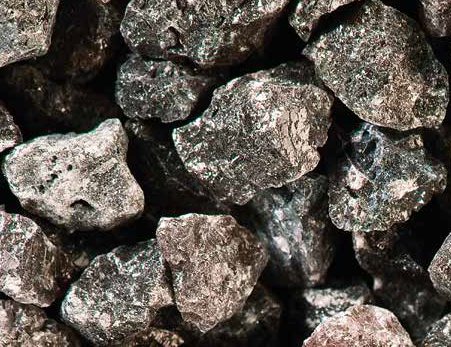
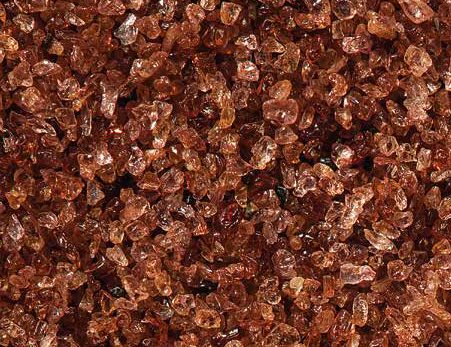
- Suitable abrasive: mineral abrasives that work efficiently in a single use, such as garnet and brown aluminium oxide.
Blast cabinet
A blast cabinet is an enclosed machine where the operator holds the part from outside through gloved openings. The abrasive is collected inside the cabinet, separated and reused; dust is captured by a filter. It suits small and medium parts, moulds, wheels and workshop jobs. Cabinets can deliver the abrasive by pressure or by suction (injector); suction types are used for lighter work.
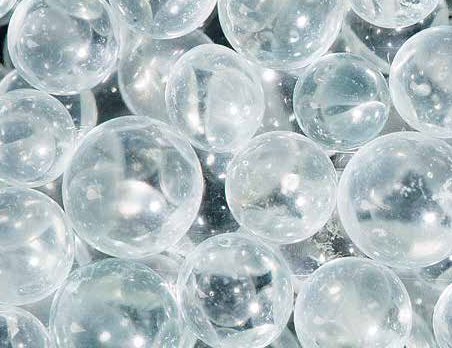
Because the abrasive is reused again and again in a cabinet, durable media are economical: glass beads for bright and satin finishes, white aluminium oxide for precise profiling and plastic granules for paint stripping on delicate parts.
Wheel blast machines
In wheel blast machines a spinning turbine wheel throws the abrasive instead of compressed air. They work in series production and at high capacity; the abrasive is continuously collected, screened and reused. Common types are:
- Plate and profile blasting machine: plates, profiles and pipes pass through the machine on a roller conveyor and are cleaned before painting.
- Hanger (hook) blasting machine: parts are hung on hooks and rotated in a closed chamber; used for castings and welded fabrications.
- Belt (tumble) machine: small parts are blasted in bulk inside a rotating belt or drum.
- Table machine: flat or delicate parts are processed on a rotating table.
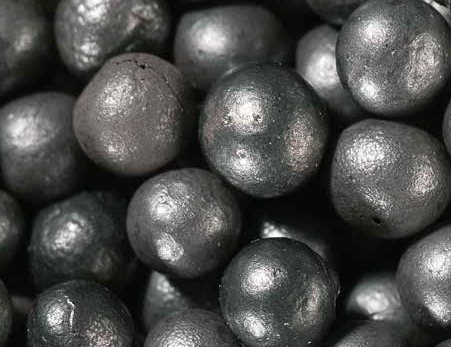
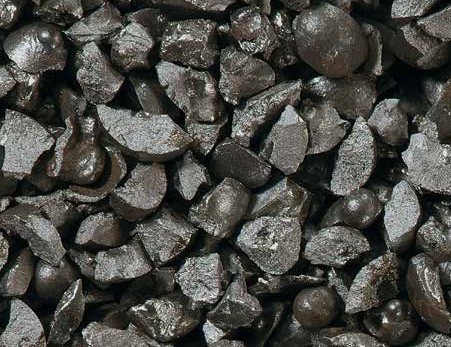
Because mineral abrasives break down quickly into dust inside the wheel, wheel blast machines usually use metallic abrasives: steel shot for cleaning and peening, steel grit for pre-paint work that needs a profile. For the difference between the two, see our post steel shot vs steel grit.
Blast rooms and recovery systems
Enclosed blast rooms are built for large parts. The operator works inside the room with a pressure nozzle; a floor recovery system (scraper, screw conveyor or vacuum) collects the abrasive, the separator removes dust and broken grains, and sound abrasive returns to the pot. These systems reduce abrasive consumption and waste. We cover recovery in detail in our post abrasive recycling.
What to look for when choosing a blasting machine
- Part size and shape: small parts suit a cabinet, large and fixed structures a pressure pot, serial plate and profiles a wheel blast line.
- Work volume: automatic wheel blast systems stand out in continuous, repetitive production; pressure pots in varied and scattered jobs.
- Workplace: on site or in the workshop? On site, dust and abrasive collection must be planned separately.
- Air capacity: pressure systems depend on compressor capacity and nozzle size.
- Dust collection and safety: filters are essential in enclosed systems; personal protection matters outdoors. See our post blasting safety.
- Target surface: the required cleanliness grade and profile determine the abrasive as much as the machine.
What drives the price of a blasting machine?
It would be misleading to give a single figure for blasting machine prices; the main factors are the machine type and capacity, the level of automation (conveyor, number of wheels), the dust collection and filter system, abrasive recovery equipment, the need for auxiliary equipment such as a compressor, and installation. Operating cost matters as much as the purchase: abrasive consumption, energy, spare parts (nozzles, wheel blades) and maintenance determine the total cost in the long run. The right abrasive directly affects consumption and wear.
Which abrasive for each machine type?
In short: mineral abrasives such as garnet and aluminium oxide in outdoor pressure pots; reusable media such as glass beads, aluminium oxide and plastic granules in cabinets; and steel shot and steel grit in wheel blast machines. For a detailed choice by machine type, read our post abrasives for blasting machines. For a general classification of blasting methods, see the Wikipedia article on abrasive blasting.
Frequently Asked Questions
Is a blasting machine the same as a blast pot?
A blast pot is one type of blasting machine. "Blasting machine" is a general name covering pots, cabinets, wheel blast machines and blast rooms.
Is sand used in plate and profile blasting machines?
Wheel blast plate and profile lines usually use steel shot or steel grit. Mineral sands break down quickly in the wheel, create dust and wear the turbine parts.
Which sand should not be used in a blasting machine?
Unscreened river or beach sand is not recommended; it may contain free crystalline silica, creates a lot of dust and can clog the machine. See our post blasting with beach sand.
Let us help you choose the right abrasive for your machine
Tell us your machine type, the parts you process and the surface you are aiming for, and we will determine the right abrasive and grit size together. You can browse all products on our products page and fill in the quote form for pricing. If you would rather have the job done without investing in a machine, you can request a quote on our blasting service page.