
Metal blasting means propelling abrasive grains at a metal surface with compressed air or a blast wheel to remove rust, mill scale, old paint and dirt, and to give the surface the required profile. It is used on everything from steel structures and castings to stainless tanks and aluminium wheels. But not every metal needs the same abrasive. In this post we explain the steps of metal blasting and which abrasive to choose for which metal.
What is metal surface blasting for?
Metal surface blasting is usually done for one of four purposes:
- Cleaning: removing rust, mill scale, old paint and coating residue.
- Preparation for paint and coatings: creating a profile on the surface so the paint adheres. Details are in our post on blasting before painting.
- Cleaning castings and forgings: removing sand, scale and oxide layers from parts.
- Appearance: achieving a matte, satin or uniform decorative finish.
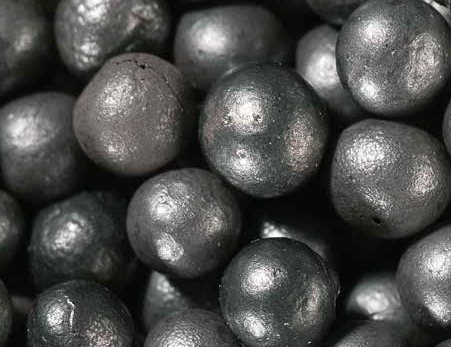
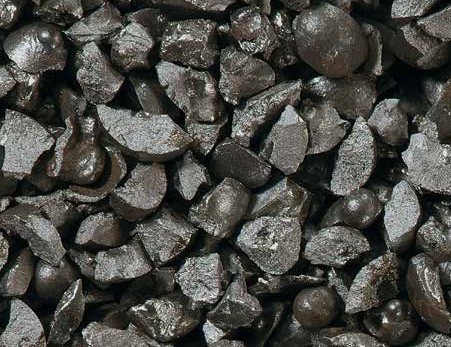
The purpose determines the shape of the abrasive: angular grains cut and create a profile, while round grains peen the surface and leave it smoother. We explain this in detail in steel shot vs steel grit.
How metal blasting is done, step by step
- Assess the surface: look at the rust grade, the thickness of old paint and the type of metal.
- Set the target: if there is a paint specification, note the required cleanliness grade (e.g. Sa 2½) and profile value.
- Choose the method: open pressure blasting for large, fixed structures; a cabinet or wheel blast machine for small and series parts. See pressure vs wheel blasting for the differences.
- Choose the abrasive and grain size: according to the metal, the method and the target profile (next section).
- Ensure safety: do not work without a blast helmet, clean air supply, protective clothing and dust control. See blasting safety.
- Blast and inspect: compare the surface with the standard photographs and measure the profile.
- Remove dust and coat promptly: freshly blasted metal can oxidise again quickly.
Metal blasting abrasive: which abrasive for which metal?
- Carbon steel and iron: garnet or brown aluminium oxide outdoors, steel grit in cabinets and wheel blast machines. Details are in abrasive for rusty steel.
- Stainless steel: iron-free abrasives to avoid iron contamination: white aluminium oxide, glass beads or stainless steel grit. See stainless steel blasting.
- Aluminium: a soft metal, so it needs low pressure and an iron-free abrasive. See aluminium blasting.
- Copper and brass: fine grains that do not wear the surface more than necessary. See copper blasting and brass blasting.
- Castings and forgings: usually steel shot in wheel blast machines.
What to watch out for when blasting steel
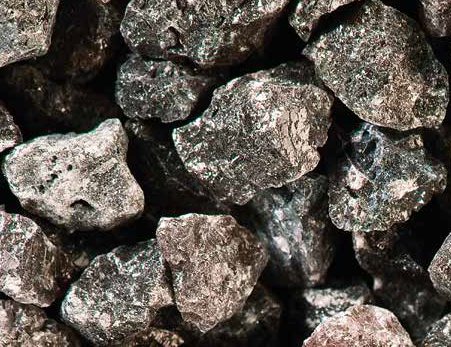
Steel blasting is the most common type of metal blasting. The ISO 8501-1 standard grades steel surfaces before blasting by rust grade from A to D; the more rust and pitting, the greater the need for a hard, angular abrasive. In recycling systems metallic abrasives are economical thanks to their long life; outdoors, where the abrasive is usually not collected, low-consumption mineral abrasives come to the fore.
Blasted steel can rust again quickly in humid air. Make sure the surface temperature is above the dew point and keep the time between blasting and painting short. For a general overview of the process, see the Wikipedia article on abrasive blasting.
Blasting chrome-plated parts: what to watch out for
Searches for "chrome blasting" usually refer to two different jobs:
- Preparation before chrome plating: the part must be clean and in the surface condition the plater requires. The abrasive and grain size should follow the plating company's instructions.
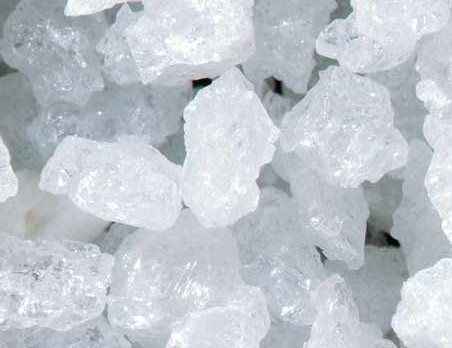
- Removing old chrome plating: hard chrome is very hard and wear-resistant. If it is removed by blasting, hard abrasives such as white aluminium oxide or silicon carbide are needed and the work is slow. Plating companies also use chemical or electrolytic stripping for this.
The dust created when stripping chrome plating contains chromium. Some chromium compounds, especially hexavalent chromium, are considered hazardous to health. Dust control and personal protective equipment are essential for this work; consult your occupational safety specialist. For general information, see the Wikipedia article on chrome plating.
Your own blasting or a blasting service?
If you have blasting equipment, we supply the abrasive you need and can help you choose the right media for your machine and parts. If you have no equipment or it is a one-off job, you can request a quote on our blasting service page by describing your surface and job.
Frequently asked questions
Which abrasive is used for metal blasting?
It depends on the metal and the method. Garnet, brown aluminium oxide and steel grit are common on steel and iron; iron-free abrasives such as white aluminium oxide or glass beads on stainless steel and aluminium.
What does metal blasting cost depend on?
The surface area, the condition of rust and old paint, the required cleanliness grade, the job location (our facility or on site), the number of parts and the abrasive used. For a firm price, use the blasting service page or, for abrasives, the quote form.
Can river sand be used for metal blasting?
It is not recommended. Unscreened natural sand can contain free crystalline silica, creates a lot of dust and breaks down quickly. Details are in our post on quartz sand for blasting.
Let us choose the right abrasive for your metal
Tell us the type of metal, the condition of the surface and your blasting system, and we will choose the right abrasive and grain size together. Browse all products on the products page or fill in the quote form for pricing.