

Blasting is not a single machine but a chain of equipment working together: air comes from the compressor, the abrasive mixes with air in the blast pot, passes through the hose and leaves through the nozzle, while the operator works in a protective suit and supplied-air hood. If one link in the chain is weak, even the best abrasive will not deliver the expected result. In this post we explain what each piece of blasting equipment does, what to watch out for and how it relates to abrasive choice.
Blast pot: the heart of a pressure system
In pressure blasting, the abrasive sits in a closed pot (tank) that is pressurised with compressed air. The metering (mixing) valve under the pot sets how much abrasive enters the air line. If it is opened too far, consumption rises and the hose can clog; if it is too closed, the surface is cleaned slowly. The right setting depends on the grain size and density of the abrasive used.
- Filling opening and pop-up valve: using a screen when filling the pot is recommended to keep foreign matter and moisture out.
- Moisture: moisture in the pot makes the abrasive clump; this is the most common cause of irregular flow at the metering valve.
- Pressure vessel safety: the pot is a pressure vessel; its periodic inspections and safety devices must not be neglected.
We explain the difference between pressure and wheel systems in pressure vs wheel blasting, and abrasive choice by machine in abrasive for blasting machines.
Blast hose and couplings
A blast hose carries abrasive and air together and is built to resist internal wear. Because abrasive flow can generate static electricity, an anti-static hose and grounding of the system are recommended. If the hose is longer than needed or has many bends, pressure loss and internal wear increase.
- Couplings: hose connections should be secured with safety pins, and whip checks should be used on air lines against separation.
- Deadman control: a system that stops the flow when the operator releases the handle is one of the basic safety devices in blasting.
- Inspection: a hose showing thinning, bulging or holes should be replaced without delay.
Nozzle: the abrasive's last stop
The nozzle accelerates the air and abrasive mixture and directs it at the surface. As the nozzle bore wears, its diameter grows, air consumption rises and the blast pattern deteriorates; so the nozzle should be checked regularly like a consumable. Common nozzle materials are:
- Ceramic: used with soft abrasives, for light work and in cabinets; wears quickly with hard abrasives.
- Tungsten carbide: a general-purpose, impact-resistant and common option.
- Silicon carbide and boron carbide: chosen for long life with hard abrasives; more sensitive to impact.
Blast cabinet and manual blasting
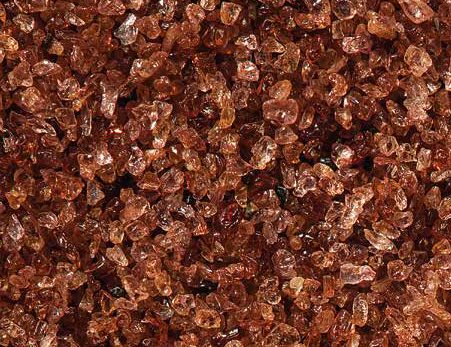
A blast cabinet is manual blasting equipment in which parts are blasted in an enclosed space while the operator works from outside through gloves. Suction or pressure guns can be used. The cabinet's dust collector keeps visibility clear, and a cyclone or separator removes dust from reusable abrasive and returns it to the cycle. This makes reusable abrasives such as glass beads, white aluminium oxide and steel grit economical in a cabinet. Details are in our posts on abrasive recycling and abrasive for blasting guns.
Blasting suit, hood and supplied-air helmet
In open blasting, the operator must be protected from rebounding abrasive and dust. A blasting suit and gloves protect the body, while a supplied-air blasting hood (helmet) provides clean breathing air through a separate line. The air to the hood must be filtered and fit for breathing; compressor air should not be supplied directly. Because of noise, hearing protection is also part of the equipment.
Which protection is needed depends on the job, the abrasive and the environment. Check current regulations and ask your occupational safety specialist. For silica dust risks, see our post on safety in blasting.
Compressor and dry air
In blasting, air is both the energy source and the source of the most common problems. Compressor capacity should match the nozzle size; insufficient air lowers productivity no matter how well you choose the abrasive. Moisture in compressed air causes clumping in the pot, clogging in the hose and fast flash rust on freshly blasted steel. That is why an aftercooler, moisture separator or air dryer in the line is recommended.
Equipment and abrasive are chosen together
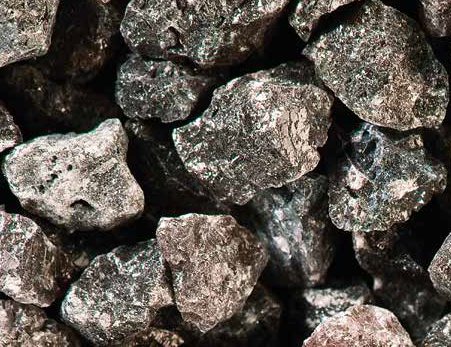
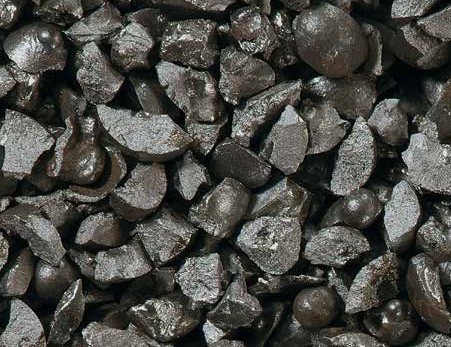
Equipment and abrasive affect each other. Hard, angular abrasives (brown aluminium oxide, silicon carbide) wear nozzles and hoses faster; soft abrasives such as glass beads and plastic granules are gentler on equipment. Heavy metallic abrasives are economical only in systems with recycling. Coarse grains need a larger nozzle and metering setting; fine grains are affected by moisture more quickly. For grain choice, see our post on grain size selection. For a general definition of blasting, the Wikipedia article on abrasive blasting is a good start.
Frequently Asked Questions
Why does abrasive clump in the blast pot?
The most common cause is moisture. Water in the compressed air, or abrasive stored in a damp place, clumps and causes irregular flow at the metering valve. Using a moisture separator in the line and storing abrasive in a dry place largely prevents the problem.
When should a nozzle be replaced?
As the nozzle bore wears, its diameter grows, air consumption increases and the blast pattern spreads. Measure the bore regularly and replace the nozzle when it exceeds the limit recommended by the manufacturer.
Do you sell blasting equipment?
No, we do not sell blasting equipment. We supply the abrasive that suits your equipment and, if needed, quote for blasting services.
Let's choose the right abrasive for your equipment
Tell us about your pot, cabinet or machine and the surface to be blasted; we will determine the right abrasive and grain size together. You can browse all abrasives on our products page and fill in the quote form for prices. If you prefer to leave the job to us, you can request a quote on our blasting service page.