
When people talk about types of blasting, they usually mean one of two things: the abrasive that is used, or the method that sends the abrasive to the surface. This article covers the second: the methods. For abrasive types see our article on types of blasting abrasives, and for machine types our article on types of blasting machines.
What is abrasive blasting and what is it used for?
Abrasive blasting means propelling abrasive particles against a surface at high speed with compressed air, water or a spinning wheel. Blasting is mainly used for:
- Removing rust, mill scale and old paint
- Creating a surface profile (anchor pattern) before painting and coating
- Cleaning sand, burrs and oxide from castings and forgings
- Producing a matt or satin finish on metal, glass and stone
We explain the basic principle in our article what is blasting and how is it done. For a general classification of the methods, see the Wikipedia article on abrasive blasting.
Dry blasting: air blasting in the open and in a cabinet
The most common type is dry blasting, where compressed air from a compressor carries the abrasive through a hose and out of a nozzle. The abrasive is either fed from a pressure pot or drawn in by a suction (venturi) system; a pressure pot gives a higher production rate. Dry air blasting is divided into two by where the work is done:
- Open blasting: Done on site with a portable blast pot. It is used on large surfaces that have to be treated in place, such as bridges, tanks, ships and steel structures.
- Cabinet blasting: Small and medium-sized parts are processed in an enclosed cabinet. The abrasive is collected at the bottom of the cabinet, cleaned and reused.
You will find a detailed comparison in our article air blasting vs wheel blasting. For site work, you can browse the Contracor machines we supply on our pressure blasting machines page.
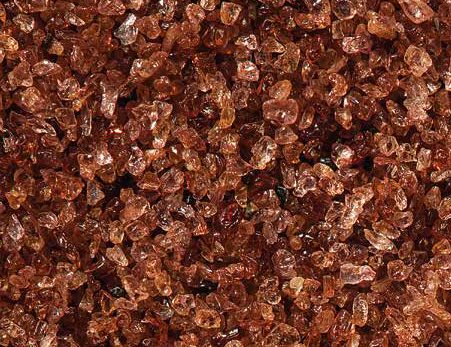
Wet blasting
In wet blasting, water is mixed with the abrasive. The water binds most of the dust at the point of impact and gives a softer action on the surface. Water and abrasive are brought together in three main ways:
- Water at the nozzle: A water ring is fitted to the nozzle of a dry system.
- Pressurised wet system: Water and abrasive are mixed in the pot or in the line and propelled with compressed air.
- Slurry system: Water and abrasive are circulated as a slurry by a pump; this is mostly used in cabinets.
The wet method has its limits: flash rust can form on wet steel, the waste comes out as sludge, and the surface must be completely dry before coating. Dust is reduced, but respiratory protection is still required. Garnet, crushed glass and glass beads, which do not rust in water, are common choices; see our article on wet blasting abrasives for details. Wet blasting nozzles are listed on our special nozzles page.
Wheel (centrifugal) blasting
Wheel blasting uses no compressed air. The blades of a wheel spinning at high speed throw the abrasive at the part by centrifugal force, which is why the method is also called centrifugal blasting. It is done in fixed machines, and the abrasive is collected and reused by a recirculation system.
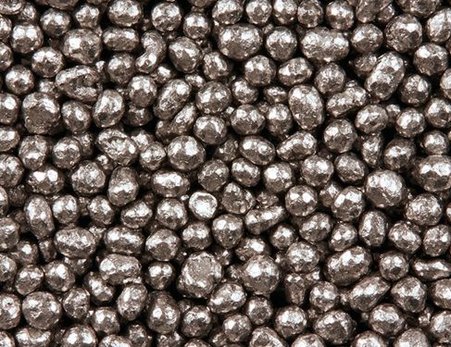
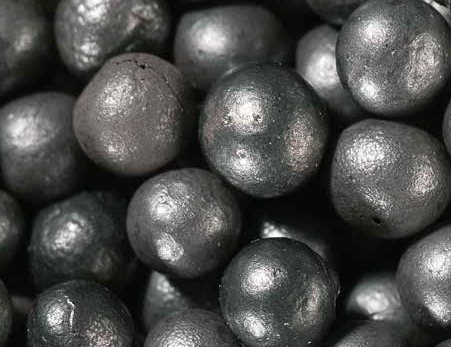
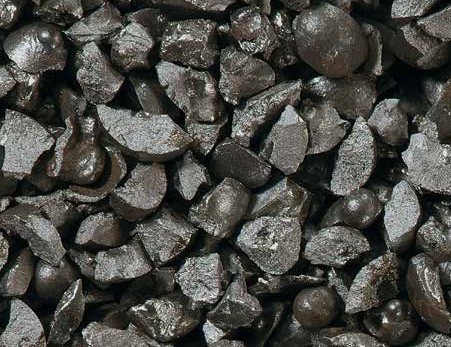
Because the abrasive passes through the wheel again on every cycle, durable metal abrasives are used: steel shot for cleaning and a light peening effect, and steel grit for a more pronounced profile. We do not supply wheel blasting machines, only the abrasives used in them.
Vacuum blasting and precision (micro) blasting
In vacuum blasting, a suction head around the nozzle sits against the surface. The abrasive and the removed debris are sucked up right after impact, separated, and the clean abrasive is reused. It is chosen for on-site work where dust must not spread; in return, it progresses more slowly than open blasting. We explain the recovery principle in our article on blasting abrasive recovery.
Precision blasting is used in two senses:
- Micro blasting: Very fine abrasive is directed with a pen-type tool through a small nozzle only onto the spot to be treated. It is used in dental laboratories, mould maintenance, jewellery and small precision parts; see our article on micro blasting.
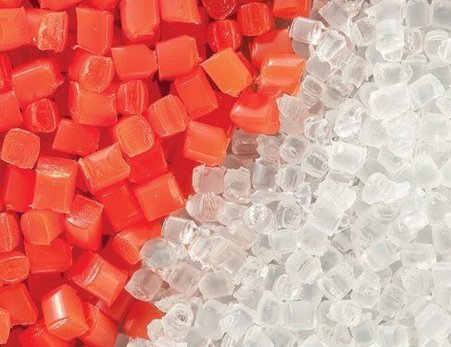
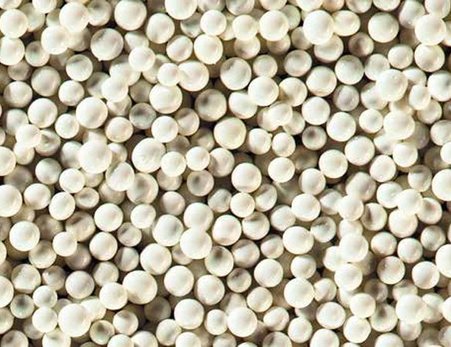
- Blasting delicate surfaces: On surfaces such as thin sheet, aluminium or moulds, work is done at low pressure with media that do not cut the surface, such as glass beads or plastic granules.

Methods beyond conventional abrasives: soda and dry ice
In some jobs the aim is to remove only the top layer without changing the surface. Two methods are often mentioned for this kind of work:
- Soda blasting: Very soft sodium bicarbonate particles shatter on impact and lift paint, soot and dirt. It does not create a profile, it is single-use, and the residue has to be washed off. See our article on soda blasting.
- Dry ice blasting: Solid carbon dioxide pellets turn into gas after impact, so no abrasive waste is left behind. It is used to clean moulds and production equipment and requires good ventilation in enclosed spaces. See our article on dry ice blasting.
Neither method removes rust and mill scale effectively, and neither creates an anchor profile for paint.
Is shot peening a type of blasting?
Shot peening is often counted among the types of blasting because it can be done with the same kind of equipment, by air or by wheel; its purpose, however, is different. The spherical media are not propelled to clean the surface but to create a layer of compressive residual stress beneath it. This layer helps delay fatigue cracks in parts that work under repeated loads, such as springs, gears and shafts. See our article what is shot peening for details.
Choosing a blasting method: which job, which abrasive?
The table below summarises the methods with their typical jobs and commonly used abrasives. The final choice depends on the part material, the required cleanliness grade and the paint specification.
| Method | Typical job | Common abrasive |
|---|---|---|
| Dry air blasting (open) | Steel structures, tanks, ships, bridges | Garnet, brown aluminium oxide, crushed glass |
| Cabinet blasting | Small and medium parts, surface finishing | Glass beads, white aluminium oxide, plastic granules |
| Wet blasting | Jobs where dust must be reduced, satin finish | Garnet, crushed glass, glass beads |
| Wheel (centrifugal) blasting | Series production, plate, sections and castings | Steel shot, steel grit |
| Vacuum blasting | On-site work where dust must not spread | Aluminium oxide, steel grit |
| Micro (precision) blasting | Dental, moulds, jewellery, small parts | Fine white aluminium oxide, glass beads |
| Shot peening | Loaded parts such as springs, gears, shafts | Conditioned cut wire, steel shot, glass beads |
Garnet, aluminium oxide and glass-based abrasives have a very low free crystalline silica content compared with quartz sand. Even so, every blasting method produces dust, so suitable respiratory protection and dust control must be used. See our article on blasting safety and silica dust.
Frequently asked questions
Should I choose dry blasting or wet blasting?
It depends on the job. Dry blasting is fast, the surface is soon ready for coating and the waste is collected dry. Wet blasting reduces dust considerably, but brings a risk of flash rust on steel, sludge waste and drying time.
Is sand used in wheel blasting?
Usually not. Wheel blasting machines use metal abrasives such as steel shot or steel grit. Mineral sands break down quickly in the wheel, create dust and wear the turbine parts.
Are precision blasting and micro blasting the same thing?
Micro blasting is one type of precision blasting. Precision blasting is a broader term that also covers work done at low pressure with media that do not cut the surface. Micro blasting is the treatment of very small areas with fine abrasive using a pen-type tool.
Let us choose the right blasting method and abrasive together
Tell us about the surface to be blasted, the part size and the next step (painting, coating or direct use), and we will determine the right abrasive and grit size for your method together. You can browse all abrasives on our products page and fill in the quote form for pricing. If you would rather leave the job to us, you can request a quote on our blasting service page, and for blast pots, hoses, nozzles and operator protection on our blasting equipment page. We ship by cargo throughout Türkiye and export abroad.